Vermilion Cliffs National Monument
The Bureau of Land Management (BLM) is responsible for 1 in every 10 acres of land in the U.S.
RV travelers who appreciate spectacular scenery will love exploring Vermilion Cliffs National Monument, a Bureau of Land Management destination known for its orange sandstone landscapes and canyons. Two developed BLM campgrounds offer primitive camping with no hookups, and dispersed camping is permitted outside the wilderness area. Campsites are first-come, first-served, and you don’t need a reservation or entry permit to visit. RVers can enjoy stunning desert views and multicolored undulating geological formations. This BLM site is also a sanctuary for the endangered California condor.
Quick Facts About RVing in Vermilion Cliffs National Monument
• RV Friendly: Limited • Max RV Length: 30 feet • Camping Type: Primitive developed campgrounds and dispersed camping • Reservations: No • Hookups: None • Dump Station: None onsite • Potable Water: Bring your own • Cell Service: Highly unreliable to none • Pets: Allowed if leashed; overnight stays with pets require permits • Roads: Paved around the monument’s perimeter; rough dirt and sand interior routes • Best Season: Spring and fall
Why RV Travelers Love This BLM Area
• Free dispersed camping opportunities • Primitive campgrounds for self-contained RVs • Excellent stargazing and sunset views • Convenient base for exploring northern Arizona and southern Utah • Close to Page, Kanab, and Big Water services • Easy addition to a longer Southwest RV trip • Access to nearby national parks and public lands • Accessible from U.S. Route 89 and U.S. Route 89A
What to See and Do
Hiking and Biking
The Wave Trail
This popular out-and-back trail is perhaps the most famous hiking route within the Vermilion Cliffs National Monument. A permit is required to hike the trail, and you'll need to obtain one through the permit lottery. If you're lucky enough to explore the trail, you'll encounter many breathtaking landmarks, including multi-colored dome formations, the Melody Arch, the Dinosaur Tracks, and The Wave rock formation.
Length: 6.7 miles
Intensity: Moderate
White Pocket Trail
This is another scenic hiking trail within the Vermilion Cliffs National Monument. To reach the loop trail, you'll need a four-wheel-drive vehicle, and off-road vehicle driving is popular in the area as well. The ideal times to visit this route are between October and June, and your dogs can be off-leash in certain areas.
Length: 1.5 miles
Intensity: Easy
Sun Valley Mine Trail
This out-and-back trail is located near Marble Canyon within the BLM national monument. Due to its scenic views, the trail is quite popular, and many hikers bring their dogs along. For the most pleasant conditions, you should visit the trail between October and April.
Length: 2.4 miles
Intensity: Moderate
Fishing and Boating
The mighty Colorado River flows very close to the Vermilion Cliffs National Monument and offers some excellent fishing opportunities. Some of the species you can catch in the river include striped bass, black crappie, walleye, largemouth bass, and smallmouth bass. The river is also a popular destination for kayaking, canoeing, rafting, and motorized boating. Another nearby body of water that's great for fishing, boating, and watersports is Lake Powell, which is located northeast of the monument in Southern Utah.
Climbing
If you're an adventurous rock climber, you'll have plenty to keep you busy around the Vermilion Cliffs National Monument. Although there aren't many popular climbing routes in the area, the monument is filled with a variety of canyons, cliffs, and unique rock formations. Many of these landscape features provide opportunities for rock climbing, with the difficulty levels varying quite a bit.
Wildlife Viewing
Many fascinating wildlife species inhabit the Vermilion Cliffs National Monument. While navigating the rugged terrain, you might spot California condors, badgers, ringtails, spotted skunks, mountain lions, pronghorn, rock squirrels, desert bighorn sheep, and many other creatures.
Picnicking
Although there aren't any picnic tables or shelters at the Vermilion Cliffs National Monument, you'll find plenty of spots where you can lay out a blanket and enjoy a spectacular view. Alternatively, if you head to the Lake Powell area, you should be able to find picnic tables at the Wahweap Recreation Area or one of the surrounding campgrounds.
Bureau of Land Management Camping
RV Camping 
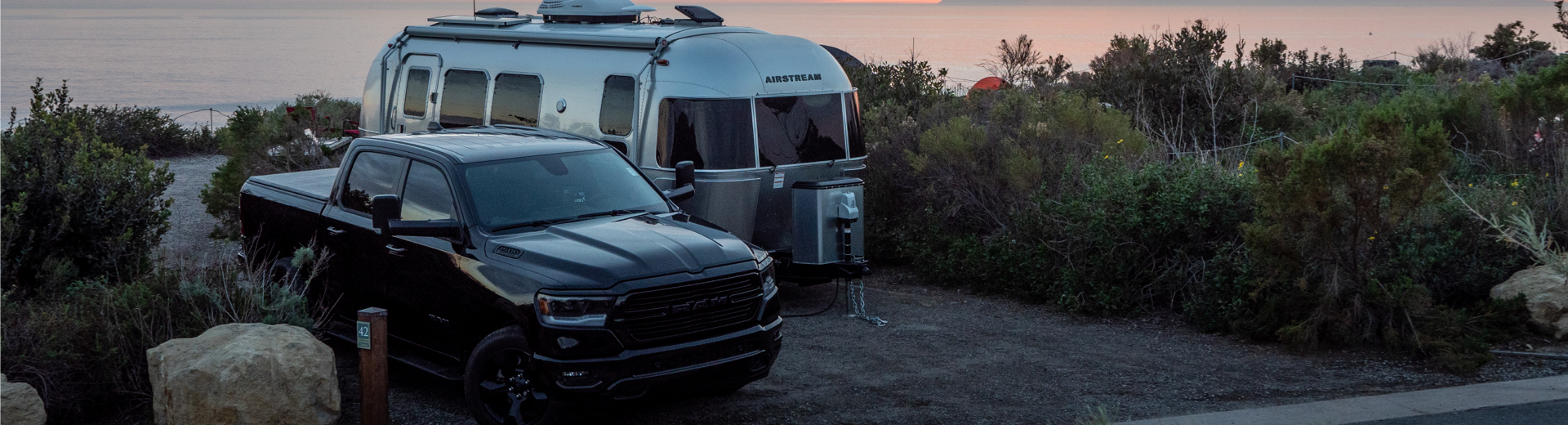
There are two Bureau of Land Management campgrounds within the Vermilion Cliffs National Monument, and BLM RV camping is possible for visitors. There are no RV hookups available at either the Stateline Campground or the White House Campground, and all campsites are available on a first-come, first-served basis. If you're looking for a modern RV park with electricity and water hookups, you could travel northeast of the monument and stop by The Canyons RV Resort and Cabins or Antelope Point Marina & RV Park.
Developed Campgrounds
Vermilion Cliffs National Monument has two rustic developed BLM campgrounds, Stateline Campground and White House Campground, just outside the monument. These locations have pit or vault toilets and picnic tables, but there are no RV hookups, water, or dump stations. While the campsites can technically accommodate RVs up to 30 feet long, the BLM explicitly recommends using four-wheel-drive (4WD), high-clearance vehicles on dirt roads in the area. Driving during inclement weather can be muddy and treacherous. RV travelers looking for amenities can find full-service campgrounds in Page, Arizona, and Big Water, Utah, less than an hour away.
Dispersed Camping
Free dispersed camping is available outside the wilderness area on previously disturbed BLM land near Marble Canyon and House Rock Valley Road. The stay limit is 14 days within a 28-day period. Interior routes can be steep, sandy, rocky, or impassable when wet, so smaller, high-clearance 4WD rigs are the best fit. Bring extra fuel, food, water, a full-size spare tire, and an air compressor because services and cell coverage are limited. Pack out all waste, follow Leave No Trace practices, and review current fire restrictions before using any stove or flame. For more planning help, review our guide to RV water fill and dump stations.
Is This BLM Area Good for Your RV?
• Camper Vans: A high-clearance, 4WD camper van is a good choice, provided it can handle the dirt and sand roads inside the monument. • Travel Trailers: A travel trailer can be a good choice if you choose a smaller model you can leave at camp while you visit the monument in your high-clearance, 4WD tow vehicle. • Fifth Wheels: A fifth wheel can be a good choice for traveling to Vermilion Cliffs National Monument if you tow it with a high-clearance, 4WD vehicle and leave it at camp. Fifth wheels tend to be too big to maneuver easily on dirt roads. • Class A Motorhomes: Class A motorhomes are only a good choice if you plan to stay on the highway; they are not well-suited to the rugged terrain at the monument. • Class B Motorhomes: Class B motorhomes are only a good choice for visiting the monument’s interior if they have high clearance and 4WD. • Class C Motorhomes: Class C motorhomes tend to have low clearance and 2WD, so they are only suitable for visiting Vermilion Cliffs National Monument if you stay on the highway.
Free Camping 
You're welcome to partake in Bureau of Land Management free camping within the Vermilion Cliffs National Monument, but there are certain restrictions. For one, you must only set up your dispersed campsite in previously disturbed areas. Additionally, a permit is required for any overnight stay within Paria Canyon.
RV Rentals Near Vermilion Cliffs National Monument Plan your next adventure

Planning your Vermilion Cliffs National Monument BLM trip
When planning your trip to the Vermilion Cliffs National Monument, you should know of the danger presented by the rugged terrain. Most roads that access the BLM site should only be navigated in vehicles with four-wheel drive. There are many unmarked roads throughout the area, and there may be occasional hazards. It's prudent to bring along a spare tire as well as extra gasoline and emergency supplies.
When exploring the national monument on foot, be sure to watch your step; the area is inhabited by a variety of snakes, venomous reptiles, and other creatures that you wouldn't want to step on accidentally. You should check the weather forecast before you visit the site as well. Environmental hazards like flash floods, extreme heat, and sandstorms have been known to occur in the area. Before you head out on your trip, check out our blog for all you need to know about BLM camping.
What RV Travelers Should Know Before Arriving
Vermilion Cliffs National Monument has no potable water, food, fuel, or propane onsite. Jacob Lake, about 14 miles away, is the closest place for snacks, fuel, and basic camping supplies, while Page, AZ, and Kanab, UT, have full-sized grocery and hardware stores. Cell service and internet access are spotty to nonexistent, so download offline maps or carry a paper map. Check the National Weather Service forecast for Marble Canyon and the Arizona Department of Transportation website for paved-road conditions.
Leave No Trace 
While visiting the Vermilion Cliffs National Monument, please adhere to the "Leave No Trace" principles. If you see any of the local wildlife during your stay, keep a healthy distance and remember that you're the guest in their home. Only hike on established trails, and be sure to pack out everything that you bring into the area.

Vermilion Cliffs National Monument Location
To reach the Vermilion Cliffs National Monument from Flagstaff, AZ, head north on US Highway 89 and follow it to US Highway 89A at the Bitter Springs turnoff. This will take you to the outskirts of the BLM site.
Ready to visit Vermilion Cliffs National Monument? An RV rental is a great way to experience your destination. Not only will you be close to all the action, but at the end of a long day exploring, you’ll have your RV to return to for the night where you’ll enjoy a full kitchen, bathroom, and nice soft bed. Not sure about renting an RV? Here’s a step-by-step guide to renting an RV with RVshare.
Plan Your Day at Vermilion Cliffs National Monument
• Morning: Make breakfast at camp, pack a sack lunch, and drive to the Navajo Bridge Interpretive Center. Park your vehicle, then walk across the historic bridge over the Colorado River while you look out for California condors. • Afternoon: After stopping to eat at your vehicle, drive down House Rock Valley Road and explore the narrow, otherworldly slot canyon. Later, stop by the ancient stone cliff dwellings under the boulders along Highway 89A. • Evening: Drive along Highway 89A or find a spot near the monument to watch the sunset as it turns the massive 3,000-foot-tall rock cliffs a glowing crimson hue.
Nearby Attractions
• The Wave: This swirling, U-shaped mass of sandstone in Coyote Buttes North, about an hour away, is world famous, but to gain access, you’ll need to secure a highly competitive lottery permit via Recreation.gov. • White Pocket: This surreal landscape on the Paria Plateau in the northern section of the monument features swirling patterns of multicolored sandstone. You don’t need a permit to visit, but you will need a high-clearance 4WD vehicle to reach the site. • Buckskin Gulch and Wire Pass: This area, located directly inside and along the northern edge of the Paria Canyon-Vermilion Cliffs Wilderness Area, hosts one of the deepest and most extensive slot canyon networks in North America. Backpackers and hikers can explore narrow, winding paths between canyon walls during the day. • Paria Canyon: This wilderness canyon carved out by the Paria River features 2,500-foot-high sandstone hanging valleys, walls, and arches. It’s located in the northeast corner of the monument. • Lees Ferry: This historic river crossing along the Colorado River, which offers fishing, kayaking, and access to the Spencer Trail, is about a 40-minute drive from the monument. • Horseshoe Bend: This famous, curved bend of the Colorado River is formed by towering rock walls. It’s located inside the Glen Canyon National Recreation Area near Page, AZ, about 40 minutes away from the monument.
Frequently Asked Questions
Are generators allowed at BLM campgrounds onsite? Generators may be allowed on developed or dispersed BLM campsites if they have an approved spark-arresting device and are operated in a barren area with no flammable vegetation in a three-foot radius. Generators are strictly prohibited within the wilderness boundary. Seasonal and "Red Flag" fire restrictions may also affect permissions and restrictions around generator use. Is Vermilion Cliffs National Monument suitable for large RVs? Large RVs are generally better kept at a developed campground or on paved roads near the monument. Interior routes can be sandy, rocky, narrow, and difficult to navigate, especially after rain. Smaller, high-clearance rigs are usually easier to manage when exploring dispersed camping areas or remote access roads. Where can RV travelers find water, fuel, and a dump station? There are no hookups, potable water, fuel stations, or dump stations inside the monument. RV travelers should fill their water tanks, refuel, and empty holding tanks before arriving. Page, Kanab, Big Water, and Jacob Lake are the most practical places to obtain supplies and services before entering the area. When is the best time to visit Vermilion Cliffs National Monument? With clear skies and pleasant daytime temperatures in the 60s to 80s, spring and fall are ideal times to visit the monument. You’ll be able to avoid summer’s extreme heat and enjoy beautiful light in the morning and late afternoon. If you enjoy solitude and chilly weather in the 40s and 50s, winter can also be a lovely season for a visit. Is hiking around the Vermilion Cliffs National Monument difficult? Hiking at the Vermilion Cliffs National Monument can be challenging. The remote, sunny, high-desert area lacks marked trails and requires self-navigation across open slickrock and shifting sand. Most visitors will need to drive across miles of unpaved roads to reach the monument’s top attractions.
Rent the Right RV for This Trip
When you’re planning a trip to Vermilion Cliffs National Monument, renting the right RV will help you have the best time possible. A high-clearance, 4WD Class B camper van is the ideal choice thanks to its compact size and off-road ability. Driving a smaller rig also makes it easier to explore other destinations in Arizona and Utah, including Grand Canyon National Park, Bryce Canyon National Park, and Zion National Park. To book your vehicle, visit our RV rentals in Kanab page ahead of your journey to Vermilion Cliffs National Monument.