Comfortably traveling with family is one of the biggest perks of RVing. A family-friendly RV road trip brings together some of the most important elements of comfort and convenience for this kind of travel: it’s flexible, affordable, and there’s room enough for everyone to spread out and have a good time.
RVing helps take care of some of the main concerns of traveling families, including:
- Budget. When you travel by RV, you have a lot more flexibility around costs — you can decide to save money with dispersed camping (boondocking) or making meals at home.
- Safety. RV travel is totally private, so you don’t have to worry about shared hotel corridors or getting your luggage stolen at the carousel.
- Comfort. You can choose from a wide range of RV types to find the perfect vehicle for your family’s vacation needs.
- Keeping kids entertained. It can be a challenge no matter what travel style you choose, but we have to say, taking a vehicle that has a TV built right in — and which encourages outdoor exploration — can give you a major leg up!
Below, we’re going to dive into some of the best tips and tricks in the game to help you on your family RV vacation planning journey, from budgeting to finding the right RV on the peer-to-peer marketplace to safety precautions. Ready? Let’s go!
Table of contents
- Quick Answer: How Do You Plan a Family-Friendly RV Road Trip?
- How to Plan Family-Friendly RV Road Trip Itineraries on a Budget
- How to Find Family-Friendly RVs on a Rental Marketplace
- How to Compare RV Rental Pricing Plans for Family Trips
- What Safety Protections Should Be Available for Family RV Trips?
- Tips for Keeping Kids Entertained on an RV Road Trip
- Frequently Asked Questions About Family RV Road Trips
Quick Answer: How Do You Plan a Family-Friendly RV Road Trip?
Planning a family-friendly RV vacation is simpler than it may seem. Step by step, it looks like this:
- Set a travel budget. Every family’s bottom-line needs are different, and no matter where yours is, you can customize an RV vacation to fit.
- Choose your destination. Fun family-friendly destinations include national parks, state parks, theme parks and even events.
- Build a realistic itinerary. You’ll likely want to have a general idea of what you’ll get up to, but especially with kids along, it’s always a good idea to build in plenty of down time and empty space!
- Compare RV rental options. When you rent on the peer-to-peer market at RVshare, you’ll have access to a wider range of rental rigs, including towable trailers, large Class A motorcoaches, and more. Plus, we offer setup and delivery!
- Review safety protections. From building your emergency kit to understanding the safety features of the campground you choose, when you’re traveling with family, safety is always a top concern.
- Plan activities for different age groups. For instance, maybe you schedule a tamer hike for the little ones, but then a more exciting whitewater kayaking trip just for the adults and teens.
- Reserve campgrounds in advance. Such a key step! While RVing can help you steer clear of surge pricing at hotel rooms, slots can still book fast. The good news: Now, you can search for your campsite as well as your rental rig here at RVshare.
How to Plan Family-Friendly RV Road Trip Itineraries on a Budget
For plenty of families, almost everything else about the trip really depends on budget first. The good news is, you can plan an unforgettable RV trip, even on a shoestring budget. Here’s what to know.
Start With a Realistic Travel Budget
While RVing can be a very affordable way to travel, it does come with costs — some of which can be a surprise to RVing beginners. Some expenses to be aware of include:
- The cost of the RV rental itself, which can start around $100 per night
- Campground fees, which can range from about $15 per night to $100 per night depending on the type of campground you choose
- Fuel expenses, which, with these large and powerful vehicles, can add up, especially in today’s economy
- Food and entertainment, which tend to be the most customizable part of the budget, but still need to be accounted for
- Emergency funds for unexpected costs and just to give you a little extra padding (good news: every RVshare rental is covered by insurance as well as roadside assistance, so you can rest assured knowing someone’s got your back!)
Limit Driving Time (Also Important for Younger Travelers)
Given that fuel can be one of the costliest parts of RV traveling, if you’re sticking to a smaller budget, limiting your overall drive time and distance can be among the most powerful ways to keep your trip under budget. Plus, shorter drive times are easier for the youngest travelers among us to handle.
One guideline many RVers find useful is the 3-3-3 rule: drive for no more than 300 miles per day, aim to arrive at your destination by 3pm, and stay there for at least three days. But for family weekend getaways, you might even use a similar 2-2-2 or 1-1-1 rule to limit the time spent on the road.
If you do plan to drive longer distances, be sure to schedule in breaks for family members to get up, move around, and have a snack, as well as accounting for that flexibility we talked about. Whatever time you think it will take to get somewhere, multiply it times 1.5 to make up for any tantrums or other unforeseen (and yet totally foreseen!) circumstances.
Choose Destinations Close Together
A special thing about RVing is the opportunity to travel to multiple destinations without needing to change out hotel rooms or repack (and re-unpack) your suitcases. Regional road trips, national park clusters, and state park linkups give families the opportunity to see a lot of the country in a relatively short trip — or, if you’re traveling for a longer period, to really stretch out and enjoy it.
Choosing destinations that are clustered together can help maximize the time you spend actually enjoying where you’re going, rather than simply sitting on the road getting there. (Yes, the journey is part of the adventure, but especially with kids, long drive times can be taxing — and expensive!)
For example, if you’re planning to tour several California national parks, you might cluster Kings Canyon, Sequoia, and Yosemite rather than trying to hit the Redwoods and Joshua Tree in the same vacation. (Another example: bundling Josha Tree and Death Valley, with a stop in Palm Springs for good measure.)
One surefire approach: start with the destination that’s most important to you, and plan from there, looking for other nearby attractions and parks that also catch your eye.
Save Money With Off-Peak Travel
Yes, for many families, summer is the most convenient time to travel. The kids are already out of school, the sun is shining, and everybody’s ready to go.
But if you can swing it, traveling during the shoulder season offers some serious advantages — not least of which is cost savings. Since fewer people tend to travel during spring and fall, you’ll have less competition when it comes to booking campsites and rental RVs, and more of the destination to yourself (rather than sharing every photo frame with strangers).
Plus, many travel vendors lower prices during the shoulder season, so you could put together the same vacation you would have taken at the height of summer for less money — or enjoy a more luxurious one for the same price.
Ready to get brainstorming? Here are our favorite family RV trip activities and itinerary ideas.
How to Find Family-Friendly RVs on a Rental Marketplace
RVing is a travel lifestyle that’s very popular among families, and there are many different kinds of RVs that lend themselves to family road trips!
Still, a little bit of know-how can go a long way toward making your RV trip even more comfortable and enjoyable as a family, especially when you’re searching a peer-to-peer marketplace like ours.
Search for RVs Designed for Families
While almost any RV can be enjoyed by a family, some types give families a leg up, especially if you’re traveling with multiple kids. While scanning the rental listings, look for rigs with:
- Bunkhouse floorplans that can sleep more kids in smaller spaces
- Multiple sleeping areas, ideally with doors between them if parents want privacy
- Child-friendly layouts (many school-age children particularly enjoy sleeping in the “attic” space above the driving area in Class C motorhomes, for instance)
- Storage space for all the gear that keeps your family going
Filter Rentals Based on Family Needs
When you’re searching for a rental RV, filters are your best friend. These helpful tools help ensure you’re only looking at RV rentals that truly meet your needs. Some of the most important filters for most families include:
- Number of travelers (so you’re only looking at RVs that have enough sleeping space for everyone)
- Pet-friendly options — Fido’s part of the family, too!
- Delivery availability for families that want to just show up and enjoy their vacation
- Kitchen and bathroom requirements to help ensure everyone’s comfortable and well-fed the entire time
Read Reviews From Other Families
Reviews can offer a lot of insight into what you’re getting in an RV beyond what might be immediately apparent in an RV rental listing. Consistency and recency of the reviews makes a big difference, and be sure to scan for any family-specific feedback around sleeping areas, cleanliness, and ease of use, for example.
How to Compare RV Rental Pricing Plans for Family Trips
And now, back to one of the most important pieces of the puzzle: pricing, and how to compare apples to apples when you’re scanning the rental listings.
Understand What’s Included in the Rental Price
Renting on a peer-to-peer RV rental marketplace can put even luxurious rigs closer to an accessible price point for many parents, but it’s important to understand what all is included — and what’s not.
When reading various RV rental prices, be sure to learn whether the following distinct fees are included (or if some may be charged separately):
- Nightly rental rates
- Mileage allowances
- Generator usage
- Cleaning fees
Even small additional fees can add up quickly, especially if they’re priced per mile or hour of generator usage, for example — and double especially if you’re not expecting them!
Compare Total Trip Cost, Not Just Daily Rates
Looking at one day rate and another can be deceiving. Instead, you’ll want to compare the total trip cost to ensure it’s truly a one-for-one comparison. Here’s a table you can recreate or print to use while you’re shopping the listings!
| Cost Factor | RV Option A | RV Option B | RV Option C |
| Nightly Rate | |||
| Mileage Fees | |||
| Generator Use Fees | |||
| Cleaning Fees | |||
| Delivery Fees (if applicable) | |||
| TOTAL COST: |
Look for Family Travel Discounts
Discounts are the way to go if you’re looking for a fun and affordable RV family vacation. Some campgrounds may offer discounts specifically aimed toward those traveling with children, but some more common travel discounts to look out for include:
- Length-of-stay-based discounts, which may get you 10% to 25% off if you book a rig or campsite for an entire week or month
- Early booking savings — many campsites are more affordable when you book ahead of time than right before the trip is supposed to start
- Seasonal promotions (this is the shoulder season approach we were talking about above!)
- Discounts for veterans, first responders, seniors, and others. Thank you for your service!
Choose the Right RV Size
Size isn’t everything, but it does matter a fair amount in the world of RVing. Smaller RVs may save fuel (and therefore lower costs), but most families are more comfortable with an RV that’s at least got a little bit of room to spread out.
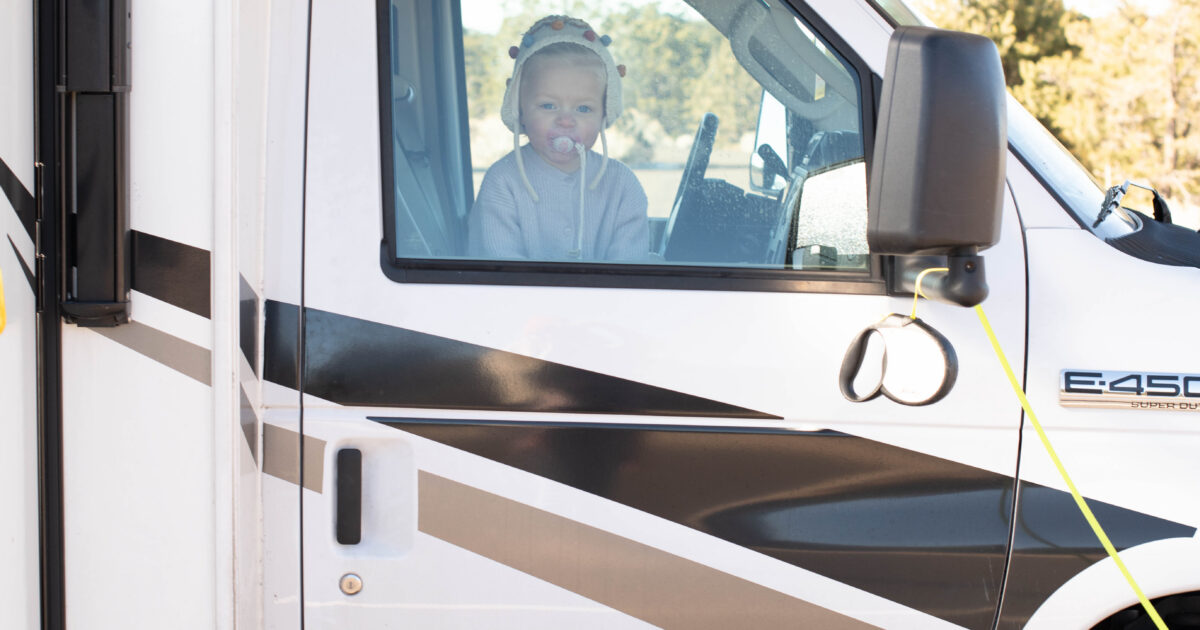
For many families, a Class C motorhome offers a Goldilocks, best-of-all-worlds opportunity: it’s not too big, not too small, and the “attic” space is a great sleeping area for younger children. Again, though, the choice is all yours when you rent on the peer-to-peer marketplace!
What Safety Protections Should Be Available for Family RV Trips?
Safety is king, especially when you’re traveling with the people who are most important to you. While every form of travel comes with risks, RVing can be a very safe option, especially when you do a little bit of footwork ahead of time.
Protection Coverage Options
Physical safety is important — and so is financial safety, for both you and your loved ones. Ensuring your rental RV is protected with insurance coverage is a key step in creating a sense of safety throughout the entire trip.
Most regular auto insurance policies do not totally protect a rental RV, and just like any kind of driving, RV driving does require liability protection in most states at the bare minimum. You should strongly consider adding collision and damage coverage, and potentially trip interruption protection.
At RVshare, every single rental is backed by world-class insurance coverage, and you’re in control of the terms.
Roadside Assistance
Roadside assistance can be the difference between a sudden emergency being an inconvenience and a catastrophe. Having it means someone will show up for you — often free of charge — if you need to be towed, have a flat tire changed, lock yourself out of the RV or need battery assistance. (Once again, roadside assistance is included on every RVshare rental!)
RV Safety Features Families Should Look For
Most contemporary RVs are well outfitted with safety in mind. Still, some features families should look for include:
- Seatbelts (which, yes, need to be worn whenever the RV is in motion)
- Backup cameras to make maneuvering the RV that much easier
- Smoke and carbon monoxide detectors to alert your family to danger as soon as possible
- Fire extinguishers (be sure to look in the under-sink cabinet in the kitchen; otherwise, ask the renter or owner directly)
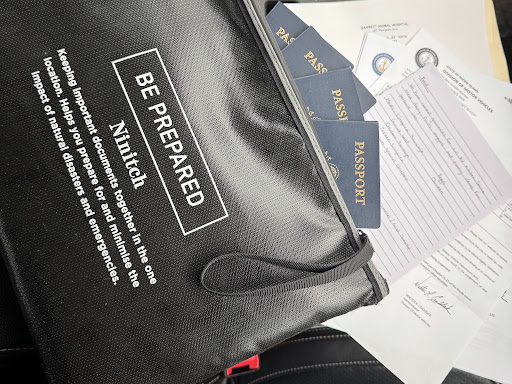
- An on-board emergency kit, including thermal blankets and road flares, especially if you’ll be traveling in remote areas
Family RV Safety Best Practices
It doesn’t take too much planning to ensure a safe family RV road trip — but it is a good idea to have some best practices in mind before you head out. These include:
- Child passenger safety, including a non-negotiable rule that all passengers need to be wearing their seatbelts whenever the vehicle is in motion
- And understanding of campground safety at the sites you choose, including emergency evacuation procedures
- Weather awareness, to keep you apprised of any unsafe road conditions
- Emergency planning, including coming up with designated meeting areas when the family is going to be split up for any reason
Tips for Keeping Kids Entertained on an RV Road Trip
The world is your family’s oyster. And yet, on some trips, kids might be prone to missing out on the “pearl.”
Avoiding the dreaded Are we there yet? The question doesn’t have to be a drag. It can actually be a channel for creativity and fun.
Road Trip Games and Activities
Coming up with a fun family road trip game or activity can keep the whole family engaged on longer stretches of driving.
For example, can you find one license plate from all of the lower 48 states — or a smaller pool of nearby states, if that’s not reasonable? Can you name one thing from every color of the rainbow on the road? There are so many fun road trip games to choose from!
Educational Stops Along the Route
As discussed above, planning breaks is key. If you can make them educational breaks, all the better! Taking a detour to learn more about a historic site or monument can create memorable moments during longer drives.
Creating Screen-Time Balance
It’s just a fact of 21st century life: your kids are almost surely spending at least some of their time most days looking at a screen. (Aren’t we all?)
For many families, having a TV right onboard can make road trips easier, or, if it’s not positioned in a way that makes it watchable while you’re driving, a tablet or phone might be a common go-to. However, it’s too easy to allow too many hours to sink into the screen, so we recommend finding ways to create screen-time balance on your vacation from the very beginning. Maybe that’s a rule that screen time is only allowed on drives longer than three hours, for example, or that every hour of screen time needs to be matched with an hour outdoors (without screens).
Speaking of which…
Outdoor Activities at Campgrounds
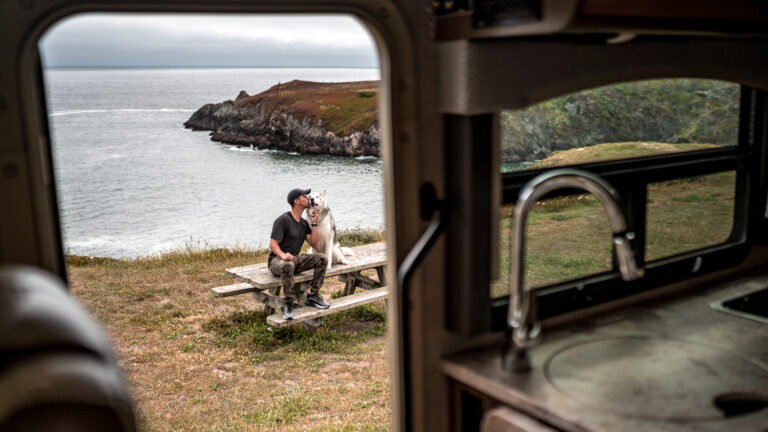
Sharing with kids the joy of the great outdoors is one of the most compelling reasons to take an RV road trip.
To that end, check ahead of time which outdoor activities are available in and around the campground you’ll be staying in. It might be a simple play structure or a longer hike in the woods, but either way, ensure your kids get the opportunity to commune with Mother Nature. It’s their birthright!
Frequently Asked Questions About Family RV Road Trips
It depends on how long the trip is, how far you go, and what kind of RV you drive. The good thing is, with an RV family road trip, costs are customizable to some extent: you can choose to cook meals at home or drive shorter distances to save, for example.
Every family is different and has unique travel needs, but many families find a Class C motorhome to be the perfect RV. It’s not too big, not too small, and most offer separate sleeping areas for children.
Yes, RV road trips can be just as safe as any other kind of road trip for children. However, it’s important to make a rule that everyone needs to have their seatbelt fastened whenever the RV is in motion.
We recommend avoiding driving more than about four hours in one day if you’re traveling with very small children. Older children may be able to handle longer drives of up to six hours.
Popular destinations for a first family road trip include state parks (because they’re affordable and offer great outdoor access) as well as major theme parks like Disney World.
As you can see, planning a family RV vacation isn’t just easy — it can be a lot of fun. RV travel offers flexibility and convenience that are important for families, and unlock the opportunity for you and your loved ones to see the world at your own pace.
Start your family RV adventure by browsing RV rentals that fit your travel style, budget, and destination.