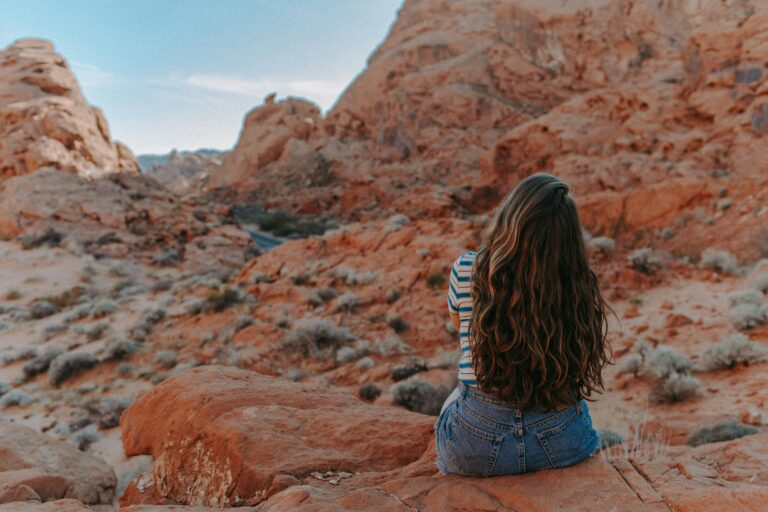
You already know about the national parks. And don’t get us wrong, they’re well worth the effort. But underrated state parks make the perfect camping trip — and many of them rival national parks for views, to-dos, camping accommodations and more.
Along with being hidden gems, the state parks we’ll talk about below also offer several benefits over many national parks. For one thing, they’re often less crowded and cheaper to camp at. Many are also closer to cities for camping parties that want a balance of urban and outdoorsy adventures. And while it’s still always a good idea to book early, you might be able to plan your trip on the order of weeks or months rather than months or even years (as is often needed with the most popular national parks).
Read on to learn more about our favorite underrated state parks and how to enjoy them to the fullest in an RV.
Why Choose State Parks Over National Parks?
The national parks have always been high on the destination lists of serious travelers, but ever since the pandemic, they’ve been more popular than ever. That can translate to long lines, big crowds, and photos full of strangers, not to mention the difficulty of getting a reservation in the first place.
At the hidden-gem state parks we’ll name below, you’ll enjoy several advantages, including:
- Easier reservation-making (even only a relatively short amount of time before the trip)
- Lower costs for camping accommodations (and depending on the location, food and gas in surrounding cities)
- Less crowding, so you can enjoy your exploration and photo-taking in peace
- In some cases, closer access to cities so you can balance your outdoor recreation with the food and culture available in urban environments
Additionally, state parks are ideal for RV travelers because many of them have very well-appointed campgrounds at bargain-basement prices, and fun things to do for the whole family (playgrounds; fire pits for roasting s’mores). More campsite availability means you can be more flexible with your trip planning, and if something changes at the last minute, you won’t have to worry about never being able to score a reservation again.
What Makes a State Park “National Park Worthy”?
Keep in mind that not all national parks are created equally. We’re specifically highlighting the “national park worthy” state parks that rival their more famous cousins, but have all the advantages named above. We’re talking about parks that boast:
- Scenic landscapes (mountains, coastlines, and canyons to name just a few)
- Unique geology or ecosystems (for those whose appreciation of the outdoors goes beyond just the visual)
- Outdoor recreation opportunities ranging from accessible hikes to challenging sports
- Well-maintained infrastructure including roads and ranger stations
- RV accessibility and high-quality campgrounds that make it easy to explore these destinations via the very best travel lifestyle there is — RVing!
10 Underrated State Parks That Rival National Parks
Enough preamble! Here are our top-10 favorite underrated, national park worthy state parks that’ll make you feel like a true travel insider.
1. Custer State Park, South Dakota
Granite peaks sparkle up from a landscape where the buffalo (literally) roam here at the western end of South Dakota. Pro tip: Custer State Park includes both an 18-mile Wildlife Loop and the famed Needles Highway, so it’s a great option for those who’d be more comfortable experiencing the outdoors from the comfort of the car.
Comparable to: Yellowstone National Park; Badlands National Park
RV highlights: Campgrounds that are large-RV-friendly and offer hookups (especially Blue Bell); scenic drives
2. Valley of Fire State Park, Nevada
Looping layers of Aztec sandstone make Valley of Fire State Park look totally otherworldly — and just like its name. And just 50 miles northeast of Las Vegas, this park is an easy one to add onto an urban adventure (or vice versa). You might even catch famed local Alex Honnold practicing some climbs along its rock formations.
Comparable to: Zion National Park; Arches National Park
RV highlights: RV-friendly on-site campgrounds with hookups; proximity to other RV destinations
3. Adirondack Park, New York
Okay, you caught us: This one technically isn’t a state park, but rather a National Historic Landmark. It’s also the largest protected area in the lower 48 United States, measuring 6 million acres of stunning New York state countryside. (For context, that’s more space than Yellowstone, Yosemite, Grand Canyon, Glacier, and the Great Smokies National Parks combined.
Comparable to: Great Smoky Mountains National Park
RV highlights: Numerous options ranging from dispersed camping to luxurious local RV resorts
4. Dead Horse Point State Park, Utah
Dramatic red-rock overlooks, winding rivers, and that beautifully alien American southwest landscape: Dead Horse Point State Park has it all. If you’re looking for a Grand Canyon experience with fewer crowds and clearer pictures, along with access to the nearby town of Moab for fun to-dos, this park has you covered.
Comparable to: Grand Canyon National Park
RV highlights: Campgrounds accommodate rigs up to 60 feet; electrical hookups (but no water — so pack it in!)
5. Silver Falls State Park, Oregon
Old-growth trees surround a meandering hiking trail that winds past (and sometimes behind) not one, not two, but ten waterfalls. Ferns reach out for your ankles and chipmunks, squirrels, and even the occasional deer keep watch. It’s not a fairy tail: It’s Oregon’s Silver Falls State Park.
Comparable to: Olympic National Park
RV highlights: RV-friendly campgrounds with electric and water hookups open year-round
6. Palo Duro Canyon State Park, Texas
No shade to the Grand Canyon, but Palo Duro Canyon State Park in Texas boasts the second-largest canyon in the U.S. with way fewer crowds and lower prices. It’s also just a stone’s throw from the town of Amarillo, where you can enjoy the Cadillac Ranch as well as a gigantic steak at the Big Texan.
Comparable to: Grand Canyon National Park; Big Bend National Park
RV highlights: Campgrounds with hookups, fire pits, and shower facilities; scenic drives
7. Letchworth State Park, New York
Known as the “Grand Canyon of the East,” Letchworth State Park is one of the best hidden gems in the state of New York, and a great opportunity for those who live in the northeast to experience some serious wilderness. Watch a rushing waterfall cascade down through shimmering fall foliage before retreating to the comfort of your RV. (The park offers a well-appointed onsite campground with hookups.)
Comparable to: Grand Canyon National Park meets Great Smoky Mountains National Park
RV highlights: Easy access from major northeastern population centers; 50-amp electrical hookups
8. Anza-Borrego Desert State Park, California
Towering palm trees peak out of a sprawling desert wilderness that’s somehow giving both wasteland and oasis at the same time. The largest state park in California, this preserve features 500 miles of unpaved roads and is a great opportunity for intrepid campers looking for an off-the-grid experience.
Comparable to: Joshua Tree National Park
RV highlights: This one is our top pick for those looking to try out boondocking (but maybe don’t go at the height of summer!)
9. Hocking Hills State Park, Ohio
Cliffs, caves, waterfalls, stunning autumn foliage: Hocking Hills State Park is only a hidden gem to those who don’t know Ohio well. But nationally, it’s still got best-kept-secret status, and its midwestern locale means you’ll encounter fewer crowds than you would at the national parks it rivals.
Comparable to: Shenandoah National Park; Great Smoky Mountains National Park
RV highlights: Easily accessible to many midwesterners; comfortable on-site campgrounds with hookups
10. Ecola State Park, Oregon
There just isn’t really anywhere on earth quite like the Pacific coast, especially where tall trees run right up to epic cliffsides washed by the sea. Ecola State Park is an incredible rival to Big Sur (which is not a national park, but still one of the most sought-after U.S. destinations) as well as Redwoods National Park — and a destination worth highlighting on its own.
Comparable to: Redwoods National Park
RV highlights: Easy to combine with other must-see Pacific-area destinations, like Portland or Astoria
RV Travel Tips for Visiting State Parks
Now that you know where to navigate your rig to, let’s dive into the top tips to best enjoy your RV travels.
Finding RV-Friendly Campgrounds
Most of the parks we’ve mentioned above have RV-friendly campgrounds right on-site, often with electric and water hookups. However, some of them are also open to dispersed camping or boondocking, which means camping without hookups (i.e., “roughing it” in the RV community).
While boondocking sites often don’t need reservations, they can fill up — and sites that you can reserve, you should reserve as early as you can (although again, they tend not to fill up in these places as quickly as they do in national parks). Traveling at peak season does mean you’ll see bigger crowds than you would otherwise, so keep that in mind when you’re planning.
Planning Your Route
Many of these parks are located within an easy distance of major population centers, so it’s often no big deal to just find your way there with Google Maps (or whatever navigation app you already use). However, it’s worth saying that many are also close to scenic byways, which could be worth the extra time and fuel for a more memorable vacation. If you’ll be linking several destinations or traveling for a longer period, be sure to plan out fuel stops and check ahead of time for RV accessibility.
What to Pack for State Park RV Trips
If you’ll be boondocking or if the campground at the state park doesn’t have water hookups, be sure to bring in the water you’ll need for your stay. (You’ll likely want to fill just before you reach your destination, since water is heavy — and carrying it around means more fuel costs!)
Leveling gear is also critical to ensure that your RV stays nice and flat, which is good for both sleeping and the onboard appliances. Finally, don’t forget any outdoor gear you need to enjoy your adventures, whether it’s hiking boots or some more specific piece of sporting gear.
When to Visit State Parks for the Best Experience
We always recommend people look to the shoulder seasons for the best travel experiences, where you won’t be battling crowds or finding reservations impossible. However, each season brings its own benefits, depending on the latitude of the park you’re considering. A basic breakdown:
- Spring is a great time to visit for waterfalls and wildflowers, along with mild temperatures (though you may have to deal with a bit of rain)
- Summer is the right time for mountain escapes that might otherwise be snowed under
- Fall, of course, is leaf-peeping season, perfect for spots that glow red and gold as the days shorten
- Finally, winter is actually an ideal time to enjoy desert parks — though some of them do get seriously cold, so be prepared!
Ready to Plan Your Hidden Gem State Park RV Trip?
You know where you’re going and you’re prepared with the tips you need to do it in style. All that’s left now is to actually plan the thing!
RV travel gives you the freedom to explore beyond the crowded parks in the privacy and comfort of your own home-away-from-home on wheels. And when you rent from RVshare, you can choose from a wider array of RV types and sizes.
Find your RV today and explore state parks your way!