 Book now and get up to $70 back for gas! Limited time offer. Learn More
Popular Destinations
- Anchorage, AK
- Big Lake, AK
- Cooper Landing, AK
- Fairbanks, AK
- Palmer, AK
- Soldotna, AK
- Sterling, AK
- Valdez, AK
- Wasilla, AK
- Whittier, AK
Alaska RV Rentals
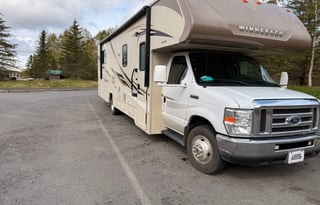
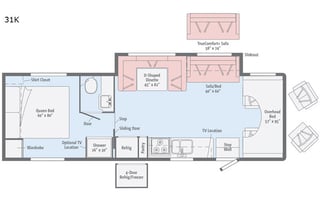
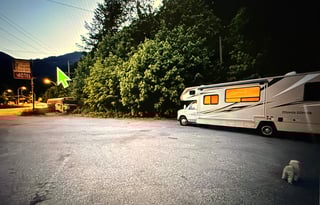
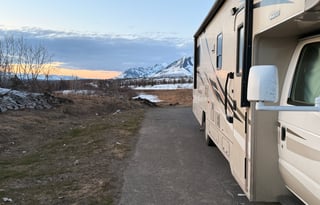

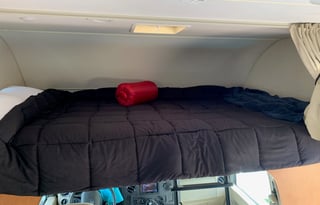
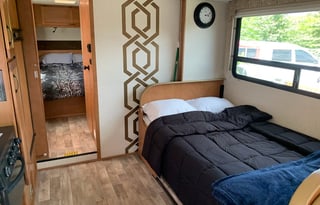

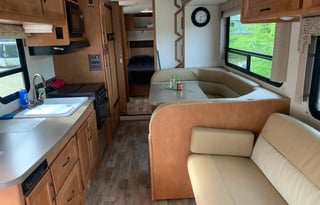

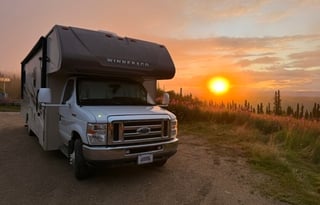
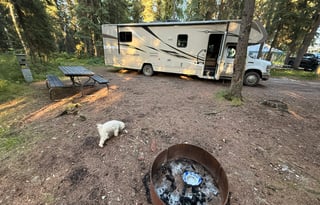
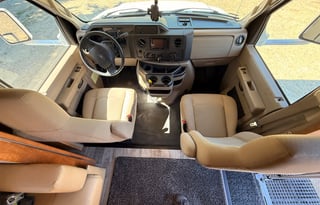
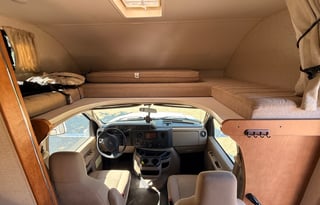
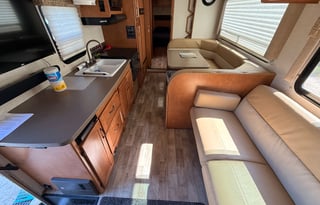
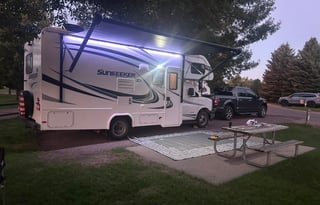
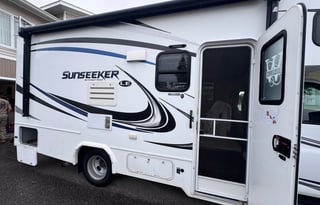
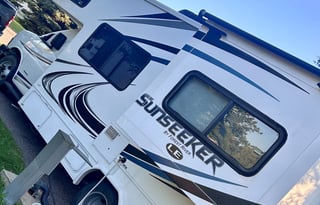
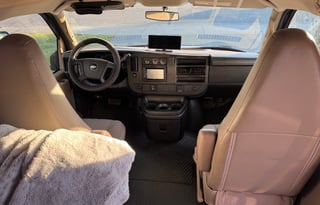
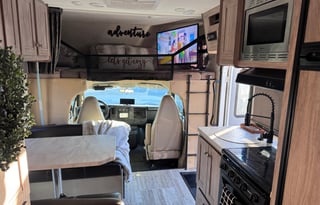
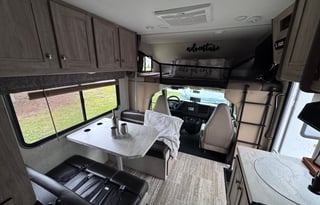
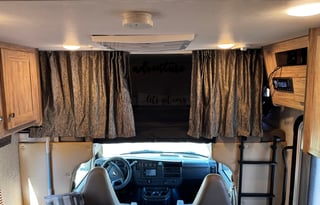

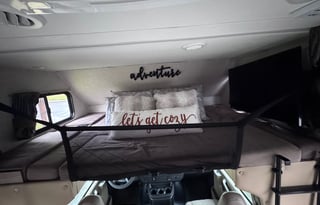

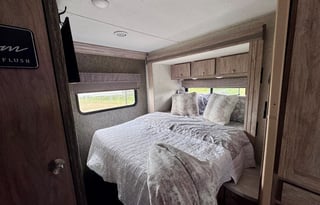
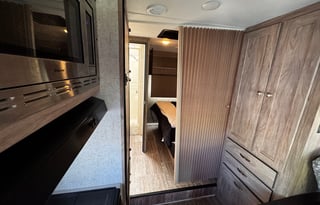
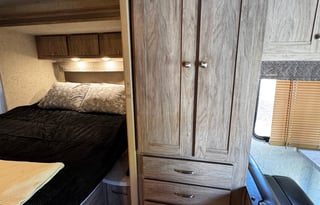
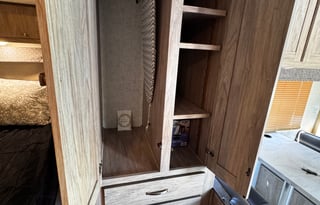



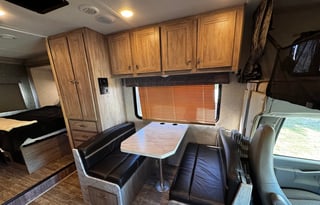
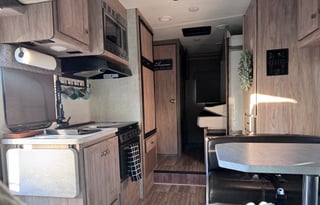
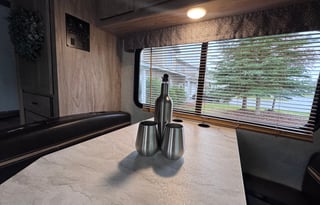



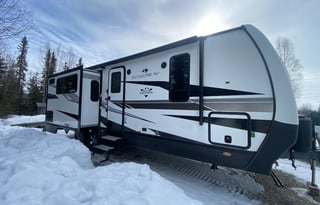
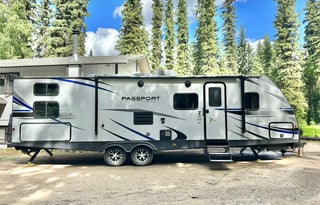
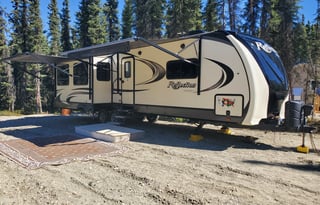
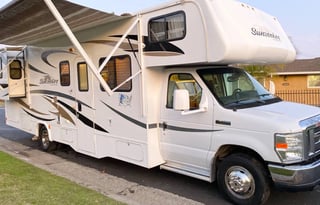
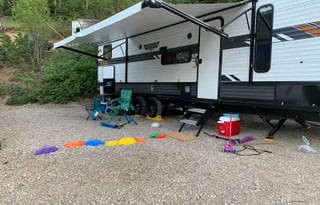
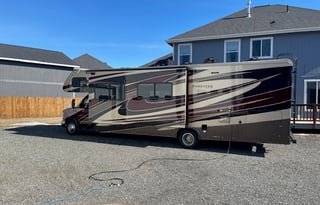
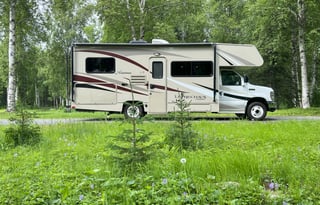
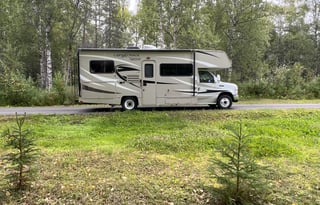
RV Rentals Near Alaska
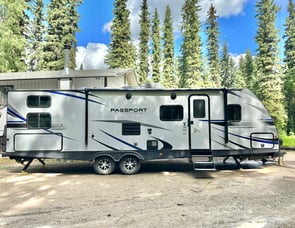
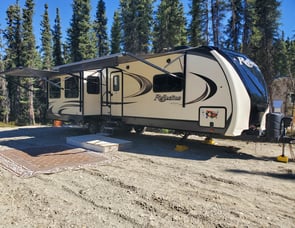
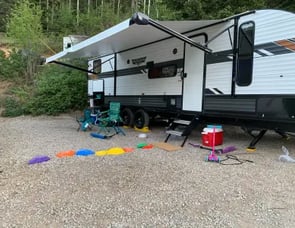
Top Travel Trailer RV Rentals

Longer Term RV Rentals in Alaska
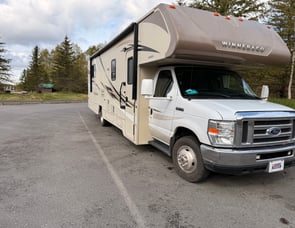


Top Motorhome RV Rentals
Budget Friendly RV Rentals in Alaska
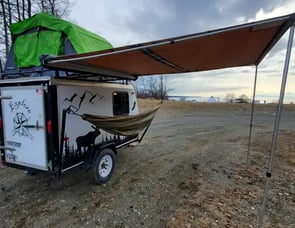
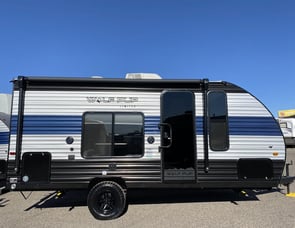


How to Compare Alaska RVs For Rent
Alaska is an entirely different category of RV trip — vast distances, untouched wilderness, and weather that can change dramatically even in summer. Budget accordingly: the average rental runs about $221/night, with Class A motorhomes starting at $185/night and can go up to $400, while Class B campervans range from $130-160/night.
What to look for:
A 4-season rating is essential, not optional. Even in July, temperatures at elevation can drop well below 40°F. Confirm the unit is properly insulated and has a functional furnace before booking.
Mileage limits will eat your budget. Alaska is enormous — Anchorage to Fairbanks alone is 350+ miles, and a full loop adds up fast. Look for unlimited mileage or negotiate a higher daily limit upfront.
Self-contained with large tanks is a smart call. Services are scarce outside Anchorage, Fairbanks, and the main highway corridor. A unit that can go longer between dumps and refills gives you real flexibility.
Bug season is intense from late May through August. Interior mosquito pressure is brutal. A well-sealed unit with window screens is a genuine quality-of-life consideration, not a minor detail.
What to Know About Renting an RV in Alaska
Alaska requires more logistical planning than any other state. Distance, fuel, and services all need to be factored in before you leave Anchorage.
Before you pick up the keys:
Denali National Park campgrounds require advance reservations. Most other Alaska campgrounds are first-come, first-served — but Denali’s Teklanika River Campground books through Recreation.gov and fills fast.
Private vehicle access in Denali ends at Mile 15. Beyond that, you’re on park buses or on foot. Build your itinerary around this — it affects how close you can camp to the interior.
Fuel prices run significantly higher than the Lower 48. Especially in remote areas. Factor this into your trip budget — it’s a meaningful cost on long Alaska loops.
Cell service disappears quickly outside major towns. Download offline maps before you leave Anchorage. A paper backup route is also a reasonable precaution.
The RV season runs roughly late May through early September. Shoulder season weather is unpredictable. Pack for cold even on summer trips.
Popular RV Parks and Campgrounds in Alaska
Popular campgrounds in Alaska are found almost everywhere throughout the state. As one of Alaska's premier RV parks, River's Edge Resort has full hookups and basic hookup options with wide pull-through sites. Homer Spit Campground is another great location right along the shores of Kachemak Bay. With its full-hookup beachside sites, you will not want to miss stopping here.
If you're planning a river-rafting experience on the Kenai River, park your RV rental at the Diamond M Ranch Resort and schedule your excursion down the river at the office. This resort has full-hookup RV sites right along the river.
RV Dump Stations in Alaska
When taking your RV out for a long adventure, you'll want to stop in at a dump station to rid your tank of its wastewater. Alaska has many free options to clean your tank, including the Holiday Gas Station in Wasilla, Mendenhall Lake Campground in Juneau, and 2-Go Marts-Tesoro Gas Station in Anchorage.
Some dump stations charge for this service, including the Trapper Creek Inn & RV Park in Trapper Creek and Centennial Park Campground, which has a set charge of $10. Some campgrounds and RV parks in Alaska offer free dump station access for campers, but visitors generally have a small fee to pay. Other dump stations are open 24/7, so you'll be able to stop at one any time of the day.
Top Parks in Alaska
Denali State Park Not to be confused with the National Park, Denali State Park sits adjacent to it and offers spectacular views of Denali without the access restrictions. Byers Lake Campground has hookup sites and fills fast in summer.
Chugach State Park One of the largest state parks in the US, right outside Anchorage. Eagle River and Eklutna Lake campgrounds are the most accessible and offer a genuine wilderness experience within 30 minutes of the city.
Kenai Peninsula Campgrounds (Resurrection Bay area) Multiple Forest Service campgrounds around Seward and the Kenai River offer spectacular scenery with more availability than national park sites.
Glacier Bay National Park covers 3.3 million acres of rugged mountains, deep sheltered fjords, dynamic glaciers, wild coastlines, and temperate rainforest. It sits in southeast Alaska, where the ocean currents sway with the weather. Glacier Bay has an abundance of plants, fish, and wildlife that are celebrated through dances, songs, stories, and ongoing traditional practices.
Denali National Parkis perhaps the best-known national park in Alaska, and is home to the highest mountain in North America. The park includes 6 million acres of forest, glaciers, snow, and bare rock, and it's larger than the entire state of New Hampshire.
Katmai National Park has become well-known in recent years for its bear cam that captures bears fishing. The area protects Mount Katmai and the Valley of Ten Thousand Smokes and is an active volcanic area, as well as being home to 9,000 years of human history.
Best National Parks Near Alaska
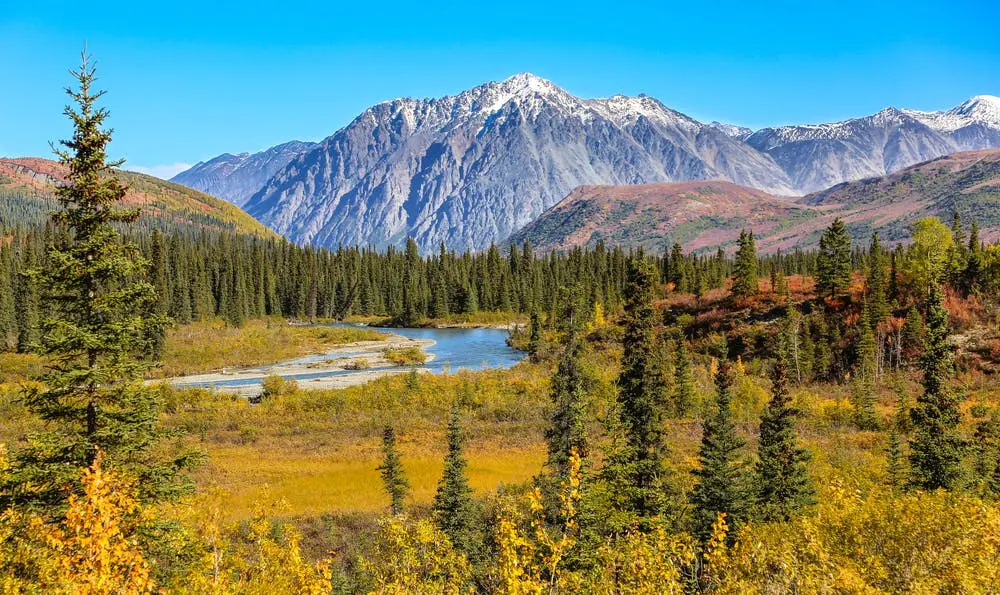
Popular State Parks Near Alaska
Must-see Monuments and Landmarks Near Alaska
RVshare’s Top Picks for Nearby RV Parks & Campgrounds
Frequently Asked Questions About Renting an RV Near Alaska
How much does it cost to rent an RV in Alaska?On average expect to pay $223 per night in Alaska.
Do you need to be a certain age to rent an RV in Alaska?Yes. The minimum age is 25 to be eligible to get an RV Rental in Alaska from RVshare.
Does RVshare have emergency roadside assistance?Yes. Every RV rental booked through RVshare receives 24/7 emergency roadside assistance.
Does RVshare offer one way RV rentals in Alaska?Yes. Prior to renting any RV, check with the owner since not all will offer this particular option.
Do you need a special license to drive an RV in Alaska?No. You don’t need a special license or CDL to drive an RV in Alaska.