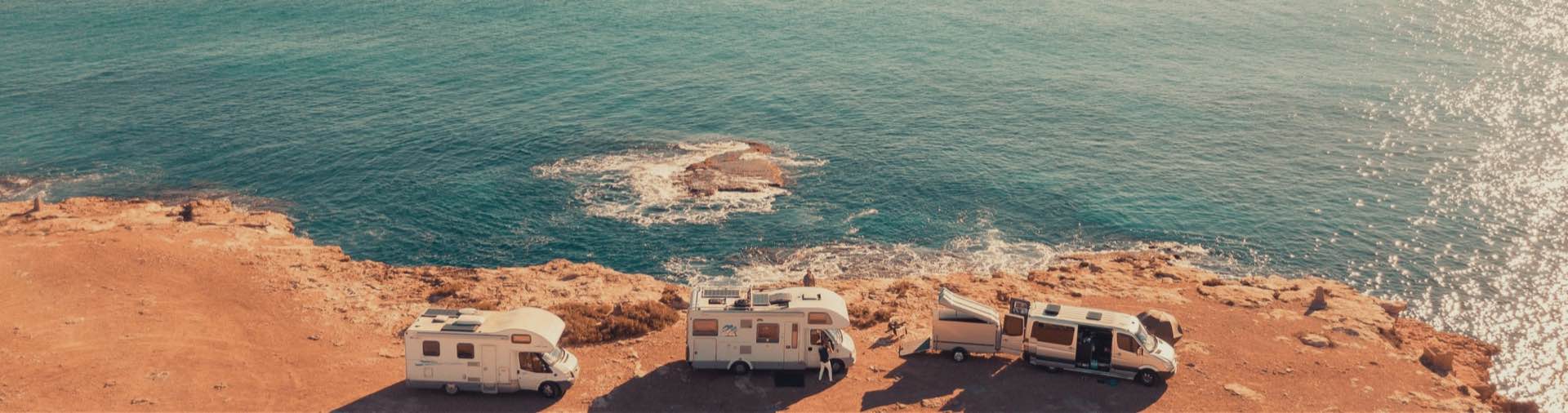
Road Trip with RVshare Las Vegas to Boulder
Your Trip At a Glance
- Trip Length: 12 hours
- Mileage: 800 miles
-
Fun fact: Las Vegas has an average of 300 weddings a day.
Traveling from Las Vegas to Boulder will take around two days and lead you through the states of Nevada, Utah, and Colorado. This journey will allow you to see different landscapes of the western U.S., beginning with desert plains and ending with towering mountain ranges. Las Vegas is an exciting mix of neon lights and natural wonders, while Boulder is close to the Rocky Mountains, allowing you to get closer to nature than the opportunities many major cities provide. You can make your road trip itinerary from Las Vegas to Boulder even more fulfilling when you incorporate the many sites that present themselves along the way.
Road Trip Planner: Stops Along Your Route

Moapa, Nevada
Moapa is a city in Moapa Valley that is near to all that this charming area has to offer. Moapa Valley is home to several annual events, such as the Clark County Fair and Rodeo, Bluegrass Festival, Super Run Classic Car Show, and the Pomegranate Arts & Crafts Festival. The Hitchin’ Post RV Park & Motel is close to the interstate between Las Vegas and Moapa, and it has a restaurant and casino on-site. If you want to use a dump station at the beginning of your Las Vegas to Boulder road trip, there are many available sites in the area.
Grand Junction, Colorado
The city of Grand Junction is located in Colorado's Western Slope region and is known for being the center of Colorado's wine country. If you stop in Grand Junction, you should visit James M. Robb - Colorado River State Park, where you can play on the river and hike along one of the many trails. The Colorado National Monument also offers hiking trails, several of which traverse through red sandstone rocks and various canyons. Junction West RV Park is conveniently located in Grand Junction and offers plenty of space for big rigs. There are also a few nearby dump stations you can easily utilize.
Glenwood Springs, Colorado
Glenwood Springs is a popular resort city in the Rocky Mountains that is home to several hot springs. It is surrounded by the White River National Forest, is near the cave system of Glenwood Caverns, and it hosts a fun theme park with swings that overlook the Colorado River. If you are looking for an RV park for your RV, the Tiger Run RV Resort is located between Glenwood Springs and Breckenridge and is an upscale park with a huge clubhouse that is open 24/7. A dump station may be useful at this point near the end of your road trip from Las Vegas to Boulder, and there are many options for your convenience.
Top RV Rentals Near Las Vegas, Nevada
National Parks

Rocky Mountain National Park
Rocky Mountain National Park attracts around three million visitors each year and is one of the most visited national parks in the U.S. Within the park, more than 100 peaks have an elevation of 11,000 feet or higher; this includes the 14,259-foot-high Longs Peak, one of Colorado's famous fourteeners. These are mountain peaks that are above 14,000 feet in elevation, and Colorado has the most fourteeners in the U.S. The Rocky Mountains surround Estes Valley and form part of the Continental Divide, a natural division of the direction of snowmelt to either the western Pacific Ocean or the eastern Atlantic Ocean. Within the park, visitors can hike and ride horses on trails or travel by car along the Trail Ridge Road, the highest continuously paved road in North America. Adding this national park to your Las Vegas to Boulder road trip itinerary will wrap up your trip nicely.
Death Valley National Park
You will experience a land of extremes inside Death Valley National Park, which is below sea level and has the distinction of having the lowest altitude of any national park. It also is the largest, hottest, and driest national park in the continental U.S. Here, you will find mountain peaks that rise more than 11,000 feet from the valleys below and oases with small fish in the pools of water. The northern end of the park has an elevation of a little over half a mile and slopes downward for 70 miles. This slope ultimately ends at Artist's Drive, which is 282 feet below sea level and the lowest point in the Western Hemisphere. Temperatures often reach 130 degrees Fahrenheit in the summer and can dip below 0 degrees in the winter. There are sand dunes, deserts, colorful rocks and canyons, salt deposits, and rare species of wildlife. Visitors can explore relics, such as petroglyphs from Native Americans and ghost towns, ore mines, kilns, and more that was left behind by settlers.
Nearby State Parks

Lake Pueblo State Park
Lake Pueblo State Park offers a multitude of water-based activities for everyone on your Las Vegas to Boulder RV road trip. You can ride or be pulled by a boat, and the fishing is excellent at this lake. There are 60 miles of shores for either fishing or swimming, and numerous hiking and biking trails will take you on many paths through the park; many of these have stands of 100-year-old junipers. If you visit the dam, you will be able to view the Arkansas River below. Visitors can also view the Greenhorn and Wet mountains that lie to the southwest, and the majestic Pikes Peak can be seen from the north.
Snow Canyon State Park
Snow Canyon State Park is located in the Red Cliffs Desert Reserve, a 62,000-acre preserve that was created to protect the desert tortoise. Snow Canyon State Park consists of 7,400 acres, and it is a colorful desert environment of cliffs, canyons, and valleys. While in the park, you can hike along more than 38 miles of hiking trails, view wildlife, camp, listen to ranger-led talks, and bike on a 3-mile paved trail. There are also more than 15 miles of equestrian trails.
Valley of Fire
Bright red sandstone outcroppings are interspersed among tan and gray limestone for more than 40,000 acres throughout Valley of Fire State Park, located in the Mojave Desert. Ancestral Puebloans left ancient petroglyphs, and Mormon missionaries founded farms, mines, and ranches many years later. The Civilian Conservation Corps built campgrounds, stone cabins, trails, and roads for the current park, which opened in 1934. Some interesting areas to explore include the White Domes, a white sandstone rock formation that is accessed by the White Domes Trail; Atlatl Rock, which features prehistoric petroglyphs; and Mouse's Tank, which is a rock basin that holds a pool of collected rainwater.
Along the Way

Hoover Dam
Hoover Dam is a concrete arch-gravity dam located in the Black Canyon on the Colorado River, lying across the border between Arizona and Nevada. The dam was built between 1931 and 1936 and was dedicated in 1935 by President Franklin D. Roosevelt. Hoover Dam was the largest dam in the world at the time, and it is now a National Historic Landmark as well as one of America's Seven Modern Civil Engineering Wonders. Today, Hoover Dam provides enough water in Lake Mead to irrigate 2 million acres, and its 17 turbines generate sufficient energy for 1.3 million homes. Around 7 million people visit Hoover Dam each year.
Pikes Peak
Pikes Peak, named for the American explorer, Zebulon Pike, is the highest peak in the southern Front Range of the Rocky Mountains. It, too, is one of the fourteeners of Colorado, with an elevation of 14,115 feet. Pikes Peak is located in the Pike National Forest, 12 miles west of Colorado Springs. This iconic mountain is known as America's Mountain, and it was the subject for the song "America the Beautiful." You can visit Pikes Peak by either driving along Peak Highway, riding a cog railway, or hiking up any one of several hiking trails. Many people take Barr Trail, which is a popular trek that gains 8,000 feet in elevation along its 13-mile path.
Colorado Springs
Colorado Springs is an exciting destination that is part resort town and part natural paradise. Visitors can tour the Garden of the Gods, which features more than 1,300 acres of red sandstone outcroppings, hike on the numerous trails, and tour some of the Olympic-level winter training facilities.
Explore More with One-Way RV Rentals Across the U.S.
Discover our one‑way RV rentals across the country. Pick‑up in one city, drop‑off in another. Explore freely, no return drive. Check availability now
When you follow this road trip itinerary from Las Vegas to Boulder, you will enjoy historic locations and beautiful scenery along the way. If you want to travel in comfort and style, consider an RV rental from RVshare. From large motorhomes to compact campervans, there is a rig that will meet your travel and budget needs. Once you hit the road, you are protected by our renter guarantee and 24/7 roadside assistance. Find the perfect vehicle for your travel needs in Las Vegas or Boulder.
Frequently Asked Questions
How do I plan an RV road trip from Las Vegas to Boulder?
To plan an RV road trip from Las Vegas to Boulder, start by mapping your route using Google Maps or a trip planner that supports RV navigation. Consider road types, fuel stops, campgrounds, and attractions along the way. Our RV Rental Advisors can help you choose the best vehicle and route based on your travel dates and preferences.
What type of RV should I rent for my trip?
The ideal RV depends on your travel style, group size, and destination. For couples, a camper van or Class B RV offers flexibility and easy driving. Families often prefer Class C motorhomes for more space and amenities. If you’re staying longer or need extra comfort, a Class A RV might be your best choice. Learn more about the different RV classes.
How much does it cost to rent an RV for a road trip?
RV rental prices vary based on vehicle size, rental duration, season, and mileage. On average, RV rentals range from $100–$300 per night, with discounts for weekly or monthly bookings. We also offer one-way rentals if you’re traveling from Las Vegas to Boulder without returning to the starting point.
Can I pick up my RV in one city and drop it off in another?
Yes! Many travelers love our one-way RV rental option. If the inventory is available for your route, you can pick up your RV in one location and drop it off in another, which is perfect for cross-country adventures or long-distance road trips.
What should I pack for an RV trip?
Pack essentials like bedding, toiletries, cooking supplies, and outdoor gear. Most of our RVs come equipped with kitchenware and basic amenities. Don’t forget to bring a first-aid kit, maps, and camping chairs for your outdoor setup. Keep this packing list handy to ensure you don’t leave anything behind!
Do I need a special license to drive an RV?
A standard driver’s license is all you need to rent and drive an RV. Keep in mind that you must be 25 to rent an RV.
Where can I park or stay overnight during my road trip?
You can stay at RV parks, national park campgrounds, or designated boondocking areas. Our team can recommend safe and scenic stops along your route from Las Vegas to Boulder. Be sure to reserve campgrounds in advance during peak travel seasons.
How do I handle fuel and hookups during my trip?
Most RVshare RVs are equipped for electric, water, and sewer hookups at most campgrounds. Keep track of your fuel stops and learn how to connect utilities before you hit the road. We provide a full orientation before departure to make setup easy.
Is insurance included in my RV rental?
Yes, basic insurance coverage is included with every rental. You can also purchase additional protection plans for peace of mind during your journey. We’ll explain all coverage options when you book your RV.
Can I travel with pets in my RV rental?
Absolutely! Many of our RVs are pet-friendly, so your furry friends can enjoy the adventure too. Use the filters to search for RVs that welcome pets on board.
What are the best road trip routes for RV travelers?
Popular RV routes include scenic coastal drives, national park loops, and cross-country highways. For beginners, you may want to try a long weekend trip where you don’t have to drive quite as far. Just remember to follow the 3-3-3 rule of RVing!