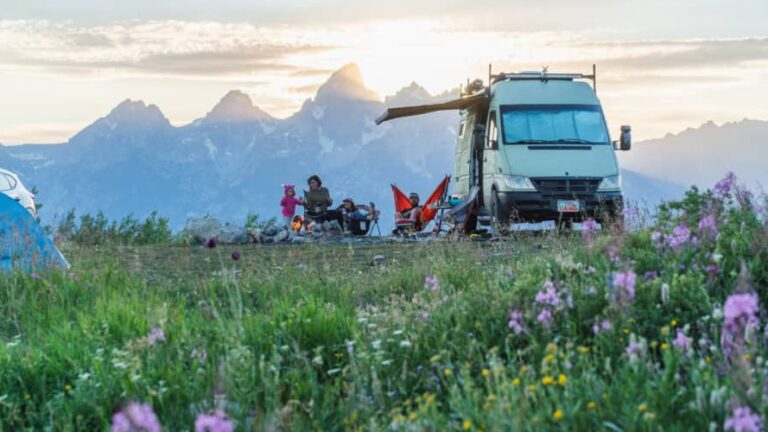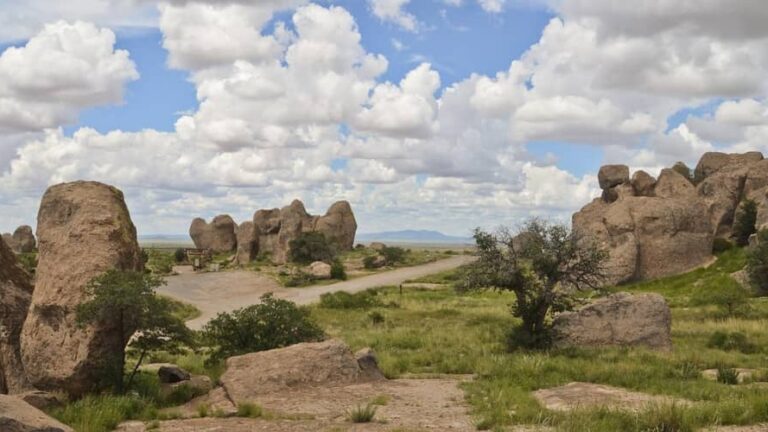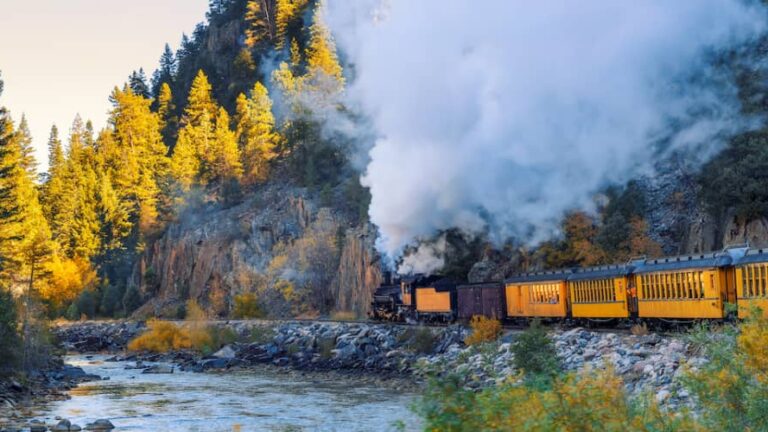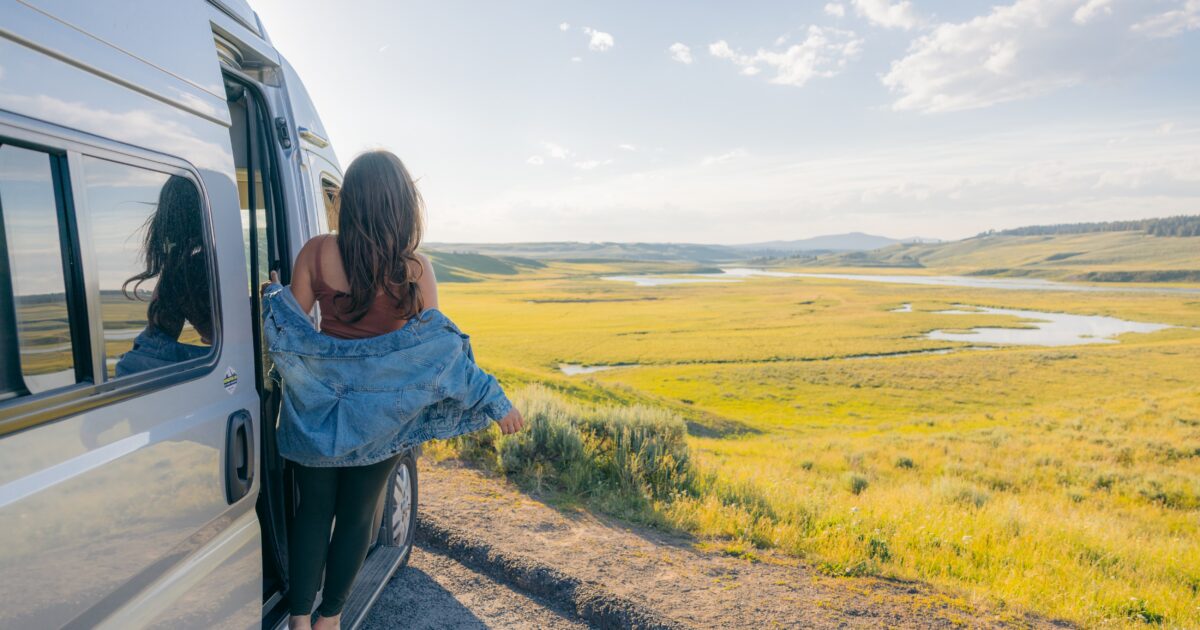
Never been boondocking? Also known as dispersed camping, boondocking means camping on public land without electric or water hookups. It is, in the world of RVing, roughing it — but it also offers a ton of freedom, the opportunity to see places few others have gone, and, even better, major affordability.
And if you’re ready to try out this unique travel lifestyle, spring is the picture perfect time to do so. Boondocking in spring means fewer crowds, moderate weather, and better availability even in the most highly sought-after campgrounds. Below, we’ll walk you through tips and tricks for boondocking in style, as well as several notable and specific opportunities for boondocking in the western states (which tend to have the most suitable BLM land), including Arizona, California, Utah, Nevada, Colorado, New Mexico and others.
What Is Boondocking?
Boondocking means dispersed camping: setting up your RV without water, electricity, or sewer hookups. In the U.S., this usually happens on Bureau of Land Management (BLM) or U.S. Forest Service (USFS) lands.
Boondocking is rustic, but it also has major upsides. Campsites are often available for free or for a very small price, and reservations are usually not required. (Plus, you wake up in the heart of some of the most beautiful preserved lands in our country.)
Why Spring Is the Best Season for Boondocking
Boondocking is already awesome pretty much any time of year (except maybe winter in snowy places). But spring is truly the best season to try it out. You’ll enjoy comfortable temperatures in Southern states and deserts (though you may want to bring some extra blankets for those cold swings at night), access to lower-elevation areas before the summer heat (and crowds) creep in), and shoulder season discounts at all your urban stops along the way.
For many Americans, Spring is the first time all year that the sun has peeked out its head and parted Jack Frost’s nasty breath. What better time to embrace the great outdoors and set out for a rugged road trip adventure?
Best States for Boondocking in Spring
Here are our top picks for where to boondock this spring, including insider knowledge on where, exactly, to set up camp.
Arizona
The Copper State is home to over 12 million acres of BLM-managed lands, most of which you can camp on for up to 14 days in any 28-day period for free or nearly free. While summer calls road trippers to other areas of the country, if you really want to get an up-close and personal view of Arizona, spring is the very best time to go — especially if you won’t have air conditioning (i.e., if you’re boondocking).
Notable Boondocking Areas:
- If you’re looking to explore Lake Havasu, Craggy Wash is a time-honored and beloved boondocking site — and since monsoon season doesn’t hit until summer, you should find nice, solid, dry, driveable ground when you show up.
- Quartzite, Arizona is a popular gathering place for RVers, and along with regular BLM lands, it’s also home to several Long Term Visitor Areas (LTVAs) where you can camp for up to seven months between September and April.
- Finally, for those interested in checking out Flagstaff, Sedona, and the Grand Canyon, Coconino National Forest is an undersung gem; along with free boondocking areas, the park is also home to a few paid campgrounds with hookups if you’re looking to upgrade.
Utah
When it comes to the American Southwest, there’s just no other state with landscapes as iconic and otherworldly as Utah. It’s home to one of the highest densities of National Parks in the lower 48, and there are strong dispersed camping options near most of them (so you don’t have to pay high National Park prices or fight with crowds that aren’t in the know like you!). Again, traveling in spring gives you the opportunity to discover this beautiful state before the summer sets in with its peak tourism and epic high temperatures. It’s a win all around!
Notable Boondocking Areas:
- Ready to explore Zion National Park? Sheep Bridge Road is a popular boondocking area whose campsites feature fire rings — definitely not a given in the wild wild west. It’s even got cell signal, according to some campers, though this may or may not count as a plus for you!
- When you boondock in Valley of the Gods, you’ll literally feel like you’re waking up on a movie set. (In fact, most of us have already seen these particular towering red-rock spires in several of our favorite films, including Easy Rider and Forrest Gump.)
- Grand Staircase-Escalante National Monument is another not-to-be-missed opportunity for boondocking in spring in Utah. There are also nearby campgrounds with hookup sites if you need a break (or, you know, some water).
California (Southern + Desert Regions)
California means so many different things, depending on where in the state you visit. The southern and desert regions are the perfect spot for early spring trips: already fairly toasty even by April, traveling in this part of the state grants you the wide-open skies and sands of the desert with close proximity to the ocean if you’re looking for a different kind of sandy beach day.
Notable Boondocking Areas:
- The Mojave National Preserve offers lots of undeveloped campsites, many of which include fire rings. Camping here puts you smack-dab in between Joshua Tree National Park to the south and Death Valley National Park to the north, so you’ll have plenty of desert adventuring to get into.
- Further north, Alabama Hills outside of Lone Pine puts you in even easier proximity to Death Valley to the east and Sequoia National Park (and the Sequoia and Sierra National Forests) to the west.
- For those hoping for a more oceanside California adventure, Oceano Dunes State Vehicular Recreation Area allows camping as well as off-roading, kite-surfing and fishing. It’s all just south of Pismo Beach and a great place to start out a Big Sur California coastal road trip.
Nevada
Another western desert state with one of the highest percentages of public land in the U.S., Nevada is the place to go if you’re looking to get seriously out there. The Silver State offers remote, quiet boondocking locations with dark skies, an endless tapestry of stars, and access to some of the least crowded yet most dynamic natural landscapes in not just the country, but the world.
Notable Boondocking Areas:
- Lake Mead National Recreation Area is a classic backcountry camping spot for RVers and tent campers alike. You can camp for up to 15 days in any given backcountry area, and if you move to a different one, you can stay within the recreation area as a whole for up to 90 days within a 12-month period. This is a great option for people who want to be within reach of Las Vegas.
- If you’re fully ready to leave the bright lights of the big city behind, Illipah Reservoir Recreation Area is a perfect spot to boondock in the eastern reaches of Nevada, closer to the town of Ely and, over the Utah border, the Bonneville Salt Flats. Keep in mind, though, that sites for RVs and trailers are limited: only 15 campsites here are big enough. Fortunately, though, it’s less likely to be crowded than other boondocking spots.
New Mexico
If you’ve never explored the Land of Enchantment, you’ll come to understand why it’s called that when you visit in spring. With its warmer spring temperatures (in most areas — don’t be surprised if there’s still snow in Santa Fe!) and even-lower-than-neighboring-desert-states level of crowds, New Mexico is an incredible place to experience one-of-a-kind scenic desert and mountain vistas, not to mention a wonderful introduction to boondocking in spring.
Notable Boondocking Areas:
- Lake Holloman offers free boondocking just 10 minutes from White Sands National Park, which about takes the cake for otherworldly desert landscapes. Keep in mind that this area can be prone to road noise if you’re a light sleeper, and is also near an active military base. Due to its historic exposure to firefighting foam, it is also heavily contaminated with PFAS, so bring your own water and don’t go hunting or fishing.
- The Santa Fe National Forest is something of a hidden gem, chock-a-block with hiking trails suited for all levels, pristine alpine lakes, and the kinds of tall trees you don’t normally associate with the desert. It’s also a great place to boondock within a 30-minute drive of the state’s capital, which is known for its artistic charm and world-class dining scene. (Keep in mind, though, that parts of this high desert landscape may still have some snowy and icy conditions into late spring, so check the forecast and park website for closures ahead of time.)
- There are also several dispersed camping options near Carlsbad Caverns National Park, some of which are also within an easy drive of Guadalupe Mountains National Park over the border in Texas. Very different public lands experiences, all possible to see within a single day if you want!
Colorado (Late Spring)
The Colorado Rocky Mountain high is available any time of year, but especially in late spring, when the snow has begun to melt back, the critters are coming out of their long winters’ naps, and the summer crowds have yet to make their way into this colorful, beautiful state. (Keep in mind, though, that if you do try to visit a little too early, some destinations may be impassable due to the continued presence of snow and ice.)
Notable Boondocking Areas:
- There are multiple dispersed camping options near Grand Junction and Fruita, which give visitors a view of a Colorado they might not be expecting: sweeping deserts and wide-open skies.
- Zapata Falls Campground is a boondocking option that puts you within easy reach of plenty of must-see Colorado outdoor attractions, including Great Sand Dunes National Park (just minutes away), the Rio Grande National Forest and Gunnison National Forest. Depending on the snowmelt, you may even be able to make your way to Black Canyon of the Gunnison National Park.
- Finally, for those hoping to explore parts of Rocky Mountain National Park (again, accessibility will depend on climate conditions), there are several dispersed camping options in the national forest and BLM land that surrounds the national park. Not all of them can accommodate all RVs, though, so do a bit of research ahead of time!
Boondocking Rules You Need to Know
Now that you’ve got the deets you need to turn your dream trip into a reality, here are some tips, tricks, and rules of the road to keep you riding in style.
Stay Limits
Although free camping is awesome, it does have its limits. You should verify with your specific campground, but typically on BLM and USFS lands, you must:
- Stay no longer than 14 days within a 28-day period
- Move location after that time, usually at least 25 or 30 miles away
- There are some exceptions, including Long Term Visitor Areas (LTVAs), and recreation areas that allow you to move to a different campground but stay in the park for up to 90 days or more
Where You Can Camp
Out in the wilderness, it can be difficult to ascertain what’s private and what’s campable! In general, camping is allowed on most public lands unless posted otherwise. These include BLM and Forest Service lands. (National forests and state parks also often feature camping, but there may be a nightly fee.)
No matter where you’re camping, use existing sites whenever possible. Camping on unbroken ground kills vegetation that can take years to regrow, if it ever does. Leave No Trace principals, which we’ll return to in just a second, require campers to prioritize using areas that others have already broken in.
No Amenities or Services
Boondocking is rugged — or at least as rugged as it gets when you’re sleeping on a real mattress in a vehicle with a kitchen sink. In most cases, you’ll have no access to electrical or water hookups, and the same is true for sewer or trash dumps. In short, if you want access to something when you’re boondocking, you have to bring it with you — and when you’re done, you have to pack it out.
Self-contained RVs make this process easier, since you can plan to dump your sewer tanks later. For those in smaller camper vans or other RVs that don’t contain facilities, you’ll likely need to make the great outdoors your bathroom. Be sure to keep human waste an appropriate distance from any natural water sources (200 feet), and bury solid waste at least six to eight inches deep (or pack it out).
Leave No Trace Requirements
We’re really just repeating ourselves by this point, but these principles stand to be restated. Our natural lands are for everyone, which means that everyone who visits should be careful to leave them as pristine as they found them, or even better, for future visitors (and generations).
That means:
- Packing out all trash
- Burying waste in cat holes or packing it out
- Not dumping black or gray water
- Not starting fires outside of dedicated fire rings
- Camping only in designated sites that have already been used
- Minimizing your environmental impact wherever possible by keeping your generator off, opting for solar upgrades, conserving water, et cetera
Fire & Local Restrictions
Speaking of fire rings:
- Fire bans vary by region and season, and they exist for good reason — no one wants to be the person who started a wildfire that ends up on the news
- Some areas require permits for fires, especially in fire-prone areas like California
- Always extinguish fires entirely before going to bed for the night, leaving camp or otherwise leaving the fire unattended
Vehicle & Access Rules
Not all boondocking locations are accessible to all RVs. When navigating your upcoming trip, be sure to:
- Check accessibility ahead of time, especially if you’re traveling in a larger RV
- Stay on designated roads
- Avoid damaging terrain or vegetation
Spring Boondocking Safety Tips
Some would argue that sleeping in the middle of the wilderness is a lot safer than calling a city home. Still, there are some tips you should keep in mind to keep your trip safe and secure.
Prepare for Unpredictable Weather
Especially in the springtime, the weather can be just a little all over the place. Check the weather ahead of time, of course, but even if it looks clear, be sure you’re prepared for storms, especially when traveling in desert and mountain regions. Keep in mind, too, that flash flooding can occur in desert washes — and you don’t want to be anywhere near that.
Bring Enough Water and Power
As we’ve mentioned, the whole point of boondocking is getting off the grid. But that means that hookups will not be waiting for you at your campground. Plan for multiple days of self-sufficiency by arriving with a full tank of clean, potable water, empty sewer tanks, and whatever power you need (i.e., battery backups to charge your phone) to get through your stay.
Check Road Conditions Before Driving In
These locations are out there, which means that sometimes, roadways aren’t improved. Dirt roads can become impassable after rain, and some boondocking spots simply aren’t accessible to larger RVs at all. Always check ahead. Park websites may list accessibility limitations, and road cameras can help you understand what the current conditions look like.
Have a Backup Camping Plan
It’s happened to the best of us: You show up at your boondocking spot, all ready for an unforgettable and quiet stay… only to discover that everyone else had the same idea you did. Not having to make reservations has a dark side: boondocking sites tend to be first-come, first-served. Popular areas can fill in quickly, even in the shoulder season. Rather than finding yourself stranded, it’s a good idea to come up with a Plan B ahead of time.
Stay Connected (or Plan for No Signal)
For many campers, getting away from the constant distraction of the internet and our cell phones is a huge part of what makes boondocking attractive. But for those who work on the road, have family concerns, or otherwise need to stay connected, you’ll want to plan ahead by installing a Starlink or other satellite internet option into your rig.
If you are going to go without connection, be sure you get everything you need from your phone situated ahead of time. This may mean downloading offline maps, for example, or coordinating with a loved one who’s not on the trip about where you are, how long you’ll be there, and when they should hear from you at the latest.
Be Aware of Wildlife and Isolation
Again, the opportunity to see wildlife is an attraction for many boondockers — but still, you need to be prepared. Store food properly (inside your tow vehicle if you’re traveling in a soft-sided trailer), avoid leaving food or garbage outside of your vehicles, and review wildlife safety protocols. Keep in mind, too, that you’ll have limited access to emergency services. Some campers may feel more secure with a satellite phone that allows them to contact loved ones or emergency help.
Essential Gear for Spring Boondocking
While your specific gear list will depend on where you’re camping and what your camping style is like, some items that may earn a place on your to-bring list include:
- Solar panels or generator for power (although in crowded boondocking sites, running a generator can be a faux pas)
- Extra water storage for longer stays
- Portable waste solutions for campers that aren’t self-contained
- Leveling blocks to help ensure you sleep nice and flat
- Weather-appropriate clothing and accessories (i.e., plenty of extra blankets for cold desert nights in the spring)
Sample Spring Boondocking Itineraries
Have more than a long weekend to spare? Here are some sample spring boondocking itineraries that show you a whole segment of the country on a dime.
Southwest Desert Loop
Pretty much any which way you string together Nevada, Arizona and New Mexico, you’re winning. Choose from the campsites above, and feel free to add in stops at larger, more incorporated cities along the way.
California Coastal + Desert Combo
Start out in the Southern California desert areas we mentioned above (i.e., near Joshua Tree), and then wind your way into Los Angeles before taking off northward along the Pacific Coast Highway. A truly unforgettable, once-in-a-lifetime, must-do trip.
Late Spring Mountain Escape
Explore all of the Rockies — and undersung surrounding mountain ranges — by starting out in New Mexico and heading north into the gorgeous wilderness southwest of Denver. You can end up in the Mile High city if you want, but don’t skip over the San Juans and lesser-visited stretches of the state.
Is Spring Boondocking Right for You?
If you’re looking to experience the utter freedom of the open road, save money, and explore unique natural locales that few other visitors ever get to access, it sounds like, yes, spring boondocking may be right for you. With the right preparation, these trips can be both unforgettable and low cost — our very favorite combination. Plan your first boondocking trip in an RVshare vehicle today!