When you own an RV, life on the road can be exciting and fun. But there are a few things that can turn that joy into frustration – things like chores.
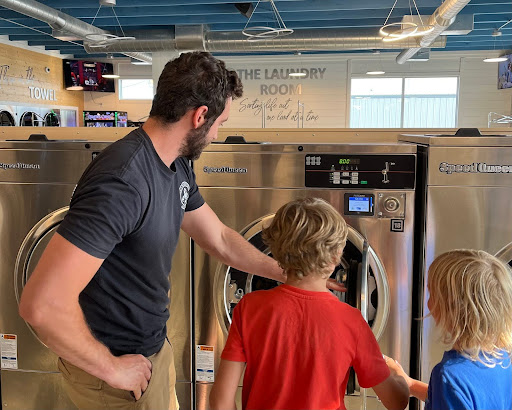
Chore time is harder in an RV, especially when you need to do the laundry. If you are lucky you might be able to find a coin-operated laundromat in your area. Unfortunately, these facilities tend to be expensive, unsanitary, and crowded.
The best way to do laundry in an RV is by installing a washer and dryer right inside your RV!
RV manufacturers are catching on to the fact that RV owners want to be able to do the wash on the road. New products specifically designed to make laundry in an RV more convenient are being developed every day, and many RVs come standard with a washer and dryer.
Interested in learning more? The following guide provides a detailed breakdown of the different RV washers and dryers.
Three Main RV Washer and Dryer Types
- Compact RV Stackable Washer and Dryer
- RV Washer & Dryer Combination
- Portable RV Washer and Dryer
There are also two variations across the three types:
- Vented
- Non-vented
Although they are pretty reliable, RVers generally stay away from non-vented washers and dryers. These machines take a long time to dry clothes, and they are use a lot of water. This is especially true when compared to the vented models.
Compact RV Stackable Washer and Dryer
This type of RV washer and dryer is quite common, especially in larger RVs. They allow you to wash and dry two loads (up to 12 pounds) simultaneously. These units are similar to the machines in most homes, albeit smaller and lighter. If you have the space and need to do large loads of laundry while on the road, these units are perfect.
Advantages:
- The capacity is similar to what you find in a home washer and dryer
- Allows you to wash and dry a load simultaneously
- Washes & drys quickly
Disadvantages:
- Their size means that you only fit in large RVs
- They use a good amount of water
- You will need access to a sewer and water hookup for use
- They use a lot of electricity
RV Washer and RV Dryer Combo
This type of RV washer and RV dryer is the preferred choice of many RVers. They don’t take up a lot of space, and one drum handles both the washing and drying process. In fact, most units switch automatically from one operation to the other.
RV washer and RV dryer combinations are made specifically to meet the needs of RVers. These units are both water and energy efficient providing the ultimate blend of efficiency and convenience.
These units are typically more efficient than other types of RV washers and dryers. Keep in mind though, that if you enjoy dry camping, this type of washer and dryer will not work for you, as you will need a significant amount of both water and power.
Advantages:
- Small profile
- Easy to use
- Designed for small spaces
- You can literally set it and forget it
- Most RVs — especially the newer models — are already set up to allow for these units
- Available in both vented and non-vented models
- Uses less energy resources than a stackable unit
Disadvantages:
- Doesn’t do a full load like you would expect from a home unit
- Doesn’t work properly when overloaded
- It can take up to 3 hours to complete one load and overloading it will increase that time frame
- Uses a lot of water; up to 20 gallons for a single load. Non-vented models use at least 5 gallons more.
- You’ll have to wait until each load is finished washing and drying before starting the next one.
Run your generator and use your holding tanks to reduce problems. But, you must watch your water or you may find that you don’t have any when it’s time to take a shower.
Portable RV Washer & Dryer
Portable washers are perfect for those who enjoy dry camping and boondocking because electricity is not necessary for the operation of some units. The portable washers that do use electricity typically only require a small amount of both water and electricity. Most units connect to your faucet and a load can be completed in less than 15 minutes.
Most portable dryers are non-vented. They use a condensing system to remove moisture from your clothes. Some units also come with a sensor that makes the drying process more efficient. It is important to note that many of these units can only dry a small number of clothes at one time.
Advantages:
- Doesn’t require much electricity
- Water efficient
- Compact
- Affordably priced
- Easy storage
- Perfect for occasional use
- The washer does loads quickly
Disadvantages:
- Many units work through manual operation
- Cheap pricing means lower quality as compared to other types of washers and dryers
- Not the best option for RVers who want units that can be mounted permanently
Adding an RV Washing Machine and Dryer to Your RV
Many campers come with RV washer and dryer hookups and a dryer vent pre-installed. If this is the case for you, installation will be relatively easy. If your RV doesn’t already have hookups for a washer and dryer, you’ll first need to determine whether your rig is a good candidate for adding an RV washer and dryer.
Some RV owners have come up with creative solutions for adding an RV washer and dryer to a camper that didn’t come with hookups, such as converting an outdoor kitchen to a laundry area. If you decide to do something like this, it’s important for towing safety to keep cargo weight evenly distributed between the right and left sides of the camper, with heavier items toward the front of the trailer, close to the hitch.
Important Considerations Before You Buy A RV Washer and RV Dryer
- Installing an RV washing machine and dryer will add weight to your camper–about 150 pounds for a small combo unit, and 200-300 pounds for a stackable RV laundry set. Make sure you have this much payload capacity to spare.
- You’ll lose storage space, usually in your bedroom closet.
- You’ll need to decide whether you want to buy a vented or ventless unit. Ventless dryers drain the moisture removed from your clothes into your gray tank, filling your tank more quickly. For this and other reasons, most RV owners prefer to buy a vented dryer when possible.
- If you winterize your RV, you’ll need to winterize your RV washing machine, making sure no water is left in the unit or water lines.
- An RV washer and dryer should be installed by a qualified RV technician, especially if it involves running new plumbing and cutting a vent hole.
Read more about the pros and cons of adding a washer and dryer to your RV here: RV Washers and Dryers: Read This Before Buying One
Where to Buy an RV Washer and RV Dryer
If you’ve decided installing a washer and dryer in your camper is the right option for you, the next step is to shop around and decide where to buy an RV washer and dryer. Here are some options to consider:
- RV service centers such as Camping World – One of the most convenient options if you’re able to drop your RV off for a few months, because they can also install it for you.
- Amazon – Most of the popular brands of RV washing machines and dryers are sold on Amazon and can be shipped directly to your home, storage, lot, or campsite, where you can then have a mobile RV tech come to your location for installation.
- Online retailers specializing in RV appliances – Many RV owners prefer to avoid Amazon and order from an online store that sells RV appliances and offers phone support in case they have any issues with the product.
Alternatives to Personal RV Washers and Dryers
What are your options if you’ve decided adding an RV washer and dryer is more trouble than it’s worth?
- Truck stop plazas: Many of these have amenities that RVers can use as well
- RV Parks and Campgrounds: Most of them have on-site laundry services for patrons
- Local laundromats: They aren’t the most pleasant, but they will get the job done in a pinch
- Hand-washing: If you are low on cash, a 5-gallon bucket can be your saving grace.
Final Thoughts on Installing an RV Washer and Dryer
Adding an RV washer and dryer can completely change your experience on the road. Instead of planning your travel days around laundromats or carrying around bags of dirty clothes, you gain the freedom to do laundry whenever it’s convenient for you.
That said, there is no one-size-fits-all solution. A stackable unit offers the closest experience to home but requires space, hookups, and plenty of power. A combo unit saves room and simplifies the process but requires patience and water management. Portable washers are budget-friendly and ideal for occasional use, but they may not meet the needs of full-time RVers.
Before you buy, consider your RV’s size, payload capacity, camping style, and access to water and sewer hookups. Think realistically about how often you’ll use it and whether the added convenience outweighs the cost, weight, and lost storage space.
For many RV owners, having a washer and dryer onboard is a game-changer. For others, campground facilities or occasional laundromat visits make more sense. The right choice is the one that fits your travel style — and keeps life on the road as stress-free as possible.