Cache Creek Wilderness
The Bureau of Land Management (BLM) is responsible for 1 in every 10 acres of land in the U.S.
If you're taking an RV trip to the northern part of California, you'll definitely want to consider visiting Cache Creek Wilderness. This BLM destination is known for its rugged wilderness that includes steep canyons, rolling oak woodlands, and scenic creek corridors. The wilderness is open year-round and provides ample opportunities for hiking, wildlife viewing, and backcountry solitude, but RVs and other motorized vehicles must remain outside the designated wilderness boundaries. Because there are no developed or dispersed campgrounds in the Cache Creek Wilderness, RV travelers must stay at a campground or RV park outside the wilderness. Some surrounding access roads change from pavement to gravel or dirt, so choose an RV with suitable clearance and make sure you're comfortable driving on rougher roads.
Quick Facts About RVing in Cache Creek Wilderness
• RV Friendly: Limited (RVs must remain at trailheads) • Max RV Length: Varies by trailhead • Camping Type: No RV camping; primitive backcountry camping only • Reservations: No • Hookups: None • Dump Station: None onsite • Potable Water: Bring your own • Cell Service: Spotty to none • Pets: Allowed; keep under control • Roads: Paved to main trailheads; rough dirt roads elsewhere • Best Season: Spring and fall
Why RV Travelers Love This BLM Area
• Easy day-trip access from nearby campgrounds • Quiet public lands with minimal development • Excellent hiking and wildlife-viewing opportunities • Convenient access to Clearlake Oaks and Williams • Close to Mendocino National Forest camping • Good stop on a northern California RV route • Plenty of space for backcountry exploration
What to See and Do
Hiking and Biking
Lynch Canyon Trail
This five-kilometer, out-and-back trail is located near Williams, CA approximately 52 minutes northeast of Cache Creek Wilderness. Lynch Canyon Trail features small streams and ponds and is ideal for all skill levels. This lightly trafficked trail offers a wide range of activity options, and nature lovers can access it throughout the year. Horses are also allowed.
Length: 3.17 miles
Intensity: Moderate
Judge Davis Trail
This out-and-back trail is situated near Williams. Visitors can access the Judge Davis Trail trailhead in Williams by taking Highway 20 to the west about 32.1 kilometers to mile marker 46.07. The lightly trafficked route features a small river, and you can access it at any time of year. Travelers can use this route for various activities, including hiking and biking.
Length: 10 miles
Intensity: Moderate
Ridge Spur Loop through Cache Creek Ridge Trail
This lightly trafficked trail situated near Clearlake, which is a half-hour southwest of Cache Creek Wilderness, features beautiful wildflowers. The Ridge Spur Loop is 11.6 kilometers long, and you can access it all year. Travelers can use this loop trail for horse riding, running, and hiking.
Length: 7.20 miles
Intensity: Easy
Fishing and Boating
You and your family can enjoy many fun activities when visiting Cache Creek Wilderness during the summer season. If you love fishing, you can catch some rainbow trout and smallmouth and largemouth bass in the Sacramento River. You can also enjoy white water rafting at this BLM site, but you'll need to carry your gear to enjoy this sport. Visitors can also swim in the nearby rivers or Cache Creek itself.
Wildlife Viewing
Cache Creek Wilderness is home to various wild animals, including rare species. During your visit, the common animals you'll spot include elk, coyotes, deer, black bears, mountain lions, bobcats, badgers, raccoons, beavers, river otters, gray foxes, and mountain lions. If you are lucky, you may also get the chance to see endemic tule elks or bald eagles. Remember to carry a pair of binoculars so that you can see the different birds that reside in this natural area.
Hunting
Hunting is among the most popular activities in Cache Creek Wilderness. The good news is that you do not need to have a hunting pass to enter this natural area. However, you need to carry proper safety gear and appropriate hunting weapons during your trip. The game species sought after by hunting enthusiasts include black bears, blacktail deer, wild pigs, mourning doves, wild turkeys, elks, California quails, and gray squirrels.
Horseback Riding
If you love horses and would like a relaxing way to explore Cache Creek Wilderness, consider horseback riding. Most of the trail loops around this natural area are well-maintained for your safety and that of your horse. The management of this area has no horses available for visitors. Therefore, you need to bring your own. Since this BLM site is close to the desert, avoid riding your horse during the summer season when it's extremely hot.
Bureau of Land Management Camping
RV Camping 
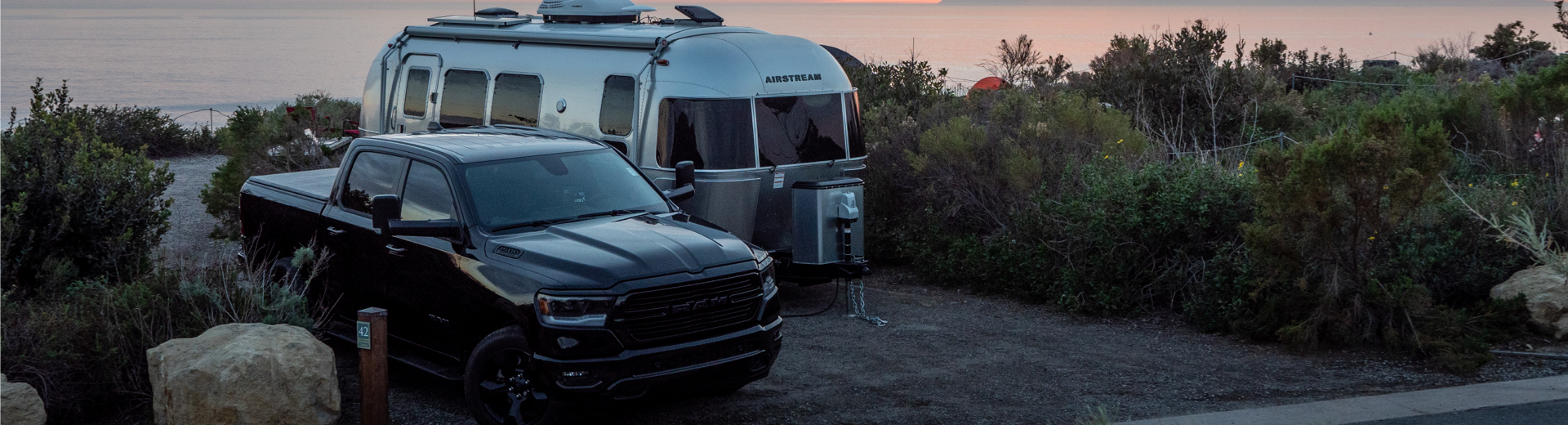
RV camping lovers can camp in nearby Bureau of Land Management campgrounds since Cache Creek Wilderness has no developed facilities. You can park your recreational vehicle at Clear Lake State Park, an RV park with over 140 campsites that's located an hour to the west of Cache Creek Wilderness in Kelseyville. These Bureau of Land Management camping spots are located within four campgrounds — Kelsey Creek, Upper Bayview, Cole Creek, and Lower Bayview. The camping sites are available by reservation only, and they accommodate RVs and trailers up to 35 feet long. This park provides amenities like storage boxes, picnic benches, fire pits, and modern restrooms, but no hookups are available.
Dispersed Camping
Since you can't take a motorized vehicle into the wilderness area, there aren't any places for dispersed RV camping there. You can camp overnight in the backcountry by hiking into the wilderness with everything you need, including food, water, and camping gear. The closest public land that allows dispersed camping is Mendocino National Forest, which is about 45 to 60 minutes north, depending on which forest access road you use. It's a popular overnight stop for RV travelers.
Is This BLM Area Good for Your RV?
• Camper Vans: Best choice. Their compact size makes it easier to access trailheads and navigate smaller parking areas. • Travel Trailers: Suitable for nearby campgrounds, but unhitch before visiting the trailheads since parking and turning space are limited. • Fifth Wheels: Not recommended for visiting the trailheads because their length makes maneuvering and parking difficult on narrow access roads. • Class A Motorhomes: Not recommended. Large motorhomes are better suited for nearby RV parks rather than the wilderness access points. • Class B Motorhomes: Excellent options, thanks to their small footprint and easy maneuverability on the approach roads. • Class C Motorhomes: Smaller models can usually reach the main trailheads, but larger units may have trouble with tight parking and limited turnaround areas.
Free Camping 
The management of Cache Creek Wilderness does not allow dispersed camping in the area. However, primitive camping lovers can head to Deer Valley Campground, which is an hour and a half northwest of Cache Creek Wilderness. This Bureau of Land Management free camping area provides one vault toilet, fire pits, and picnic tables but doesn't offer hookups. Camping at this BLM campground is on a first-come, first-served basis, and you can only stay at one site for a maximum of two weeks.
RV Rentals Near Cache Creek Wilderness Plan your next adventure

Planning your Cache Creek Wilderness BLM trip
The journey to Cache Creek Wilderness is an easy one. You will find paved roads throughout your journey along with brown road signs that lead you to the entrance. However, you need to check the BLM site's website to be aware of the current weather conditions and any road closures. This way, you'll avoid any added stress if you were to encounter unexpected detours, difficult terrain, and sharp turns.
The wilderness area is quite primitive and doesn't allow any automobiles. However, there are enough parking spots near the BLM area's boundary. Remember to pack your trailer or recreational vehicle appropriately with enough changes of proper clothing, footwear and other important items.
BLM RV camping at Cache Creek Wilderness provides nature lovers with unmatched opportunities for solitude, fun-filled recreational activities and unforgettable camping experiences. Before you head out on your trip, check out our blog for all you need to know about BLM camping.
What RV Travelers Should Know Before Arriving
The best time to visit the wilderness area is during spring or fall because both of these seasons provide cooler hiking temperatures and gorgeous scenery. If you need to restock on groceries or fuel supplies, you'll want to visit Williams or Clearlake Oaks, two towns that are within about 20 to 35 minutes of the main trailheads. Since you'll be hiking to remote areas, always pack plenty of drinking water and a basic first-aid kit, snacks, and sun protection. You'll want to download your navigation maps for offline use since cell service is extremely limited. The closest campground that has a dump station is about 20 minutes southeast of the Highway 16 trailheads at Cache Creek Regional Park Campground. You can stay up to date on the latest fire restrictions by checking the BLM California Fire Restrictions webpage before your trip.
Leave No Trace 
When exploring Cache Creek Wilderness, avoid confronting the wild animals and birds to ensure your safety. Leave the natural vegetation, rocks, and other items of interest in this area the way you found them to help preserve the natural beauty of the BLM site. Be considerate of the other travelers exploring the area by controlling your pets, avoiding excessive noise and keeping the surroundings clean. Also, remember to check the fire restrictions in the BLM area to know what's expected of you. By following these rules, you can help the management preserve the site's beauty and natural environment.
Cache Creek Wilderness Location
Visitors can access Cache Creek Wilderness via the Judge Davis Trailhead by taking Highway 20 to the west around 20 miles to mile marker 46.07 from Interstate 5. The trail parallels State Highway 20 for the initial 80 yards and later cuts through the hills. Visitors can also reach the wilderness area using the Redbud Trail. Take Highway 20 from Interstate 5 for approximately 29 miles to the Redbud Trailhead. You can also get to the Redbud Trailhead from Clearlake Oaks by driving east for around 17 miles on State Highway 20.
Ready to visit the Cache Creek Wilderness? An RV rental is a great way to experience your destination. Not only will you be close to all the action, but at the end of a long day exploring, you'll have your RV to return to for the night, where you'll enjoy a full kitchen, bathroom, and nice, soft bed. Not sure about renting an RV? Here’s a step-by-step guide to renting an RV with RVshare.
Plan Your Day at Cache Creek Wilderness
• Morning: Start your day with plenty of energy by preparing one of these delicious RV breakfast recipes. Park your RV at one of the trailheads, and then start hiking into the wilderness, where you can take photos of oak-covered hills and deep ravines. • Afternoon: Find a shaded spot along Cache Creek to enjoy a picnic lunch before you continue exploring the trail system. There are multiple overlooks and creekside areas with optimal opportunities for wildlife viewing. Carry plenty of water since there are no services inside the wilderness. • Evening: Head back to your RV to make the trip back to your campground where you can enjoy dinner over a campfire as long as fire restrictions allow. Then, spend the evening relaxing beneath the stars and planning tomorrow's adventure.
Nearby Attractions
• Clear Lake State Park: About a 30- to 35-minute drive from Cache Creek Wilderness, this state park offers an RV-friendly campground, boating, kayaking, fishing, hiking trails, picnic areas, and a boat launch. • Indian Valley Reservoir Recreation Area: Approximately 40 to 45 minutes away, this recreation area is a useful stop for RV travelers interested in nearby camping, boating, paddleboarding, fishing, hiking, and a quieter lakeside setting. • Cache Creek Regional Park: About a 20- to 25-minute drive from the wilderness, the park has a developed RV campground, a dump station, fishing and kayaking access, picnic facilities, and nearby hiking. • Anderson Marsh State Historic Park: Roughly 35 to 50 minutes from the main Cache Creek Wilderness trailheads, this park offers easy walking trails, wetlands, wildlife viewing, and interpretive exhibits near Clear Lake. Its accessible Cache Creek Nature Trail makes it a practical stop for travelers seeking a less strenuous outing. • Knoxville Recreation Area: Approximately 1 to 1.5 hours away, this BLM area offers primitive camping, hiking, and rugged backcountry driving within Berryessa Snow Mountain National Monument. RV travelers should review road conditions carefully because some routes are better suited to high-clearance or four-wheel-drive vehicles.
Frequently Asked Questions
Can I bring my RV to Cache Creek Wilderness? You can drive your RV to the Cache Creek Wilderness trailheads, but you aren't allowed to enter the wilderness with any motorized vehicle. Since some of the access roads are narrow and winding, you may find it easier to park your rig if you're in a camper van or small travel trailer. Where is the closest developed campground? The closest developed campground is about 20 to 25 minutes away at Cache Creek Regional Park. This site offers RV campsites, hot showers, and a dump station, but it doesn't have hookups. Is my dog allowed in the wilderness area? Yes, but you must keep your pets supervised and on a leash at all times. Just make sure to bring plenty of drinking water for you and your pet since there isn't any potable water available within the wilderness. Are there kid-friendly activities? Yes. Many of the shorter trails are relatively easy and kid-friendly because they don't involve steep climbs or hiking over technical terrain. Families often come here to picnic and watch wildlife. How many days should I plan to spend at Cache Creek Wilderness? The number of days depends on how much of the wilderness you want to explore. Some RV travelers spend only one day checking out the main trails, while others set aside two or three days for hiking to scenic overlooks and creek corridors.
Rent the Right RV for This Trip
The ideal RV rental for your trip depends on how many people you're bringing and where you want to stay overnight. If you're staying at a dispersed campsite, you won't have any hookups, so it's best to travel in an RV that has fresh water storage, a bathroom, and a generator. Class B motorhomes and small travel trailers work incredibly well for getting to the trailheads because of their compact size and easy maneuverability. Find the perfect RV rental near Cache Creek Wilderness.