What should you expect on your first RV trip? Expect a mix of freedom, adventure, and a manageable learning curve. You’ll need to get comfortable with a larger vehicle (or skip driving entirely with a delivery rental), learn how systems like water hookups and dump tanks work, and embrace a more self-sufficient style of travel. Most first-time renters are surprised by how quickly they settle in — and how much they enjoy the flexibility of life on the road.
Key Takeaways
- RV travel offers unmatched flexibility — you set the schedule, route, and pace.
- Most beginners feel comfortable driving an RV within the first hour of practice.
- RVshare delivery rentals let you skip driving and setup entirely.
- RV living spaces are compact, but most renters adapt quickly.
- Planning meals, campsites, and packing lists ahead of time significantly reduces stress.
- A flexible, adventure-ready mindset is the single biggest factor in enjoying your first trip.
How Much Freedom Does RV Travel Actually Give You?
The freedom of an RV road trip is hard to overstate. Unlike flying to a hotel, where you’re locked into reservations and check-in windows, an RV lets you set your own pace. Want to stay an extra night at a beautiful campground? You can. Spot an interesting detour on the highway? Take it. There’s no need to pack and unpack at every stop, and you won’t lose a good chunk of your day navigating airport security or waiting for a shuttle.
Your Schedule, Your Rules
Thanks to a kitchen, bathroom, and bed on board, you’re never at the mercy of restaurant hours or hotel availability. Depending on where you camp, you may not even have set departure times. This kind of flexibility is one of the most overlooked benefits of RV travel, and for many first-timers, it’s what turns a single trip into a lifelong habit.
Your Front Door Is Wherever You Park It
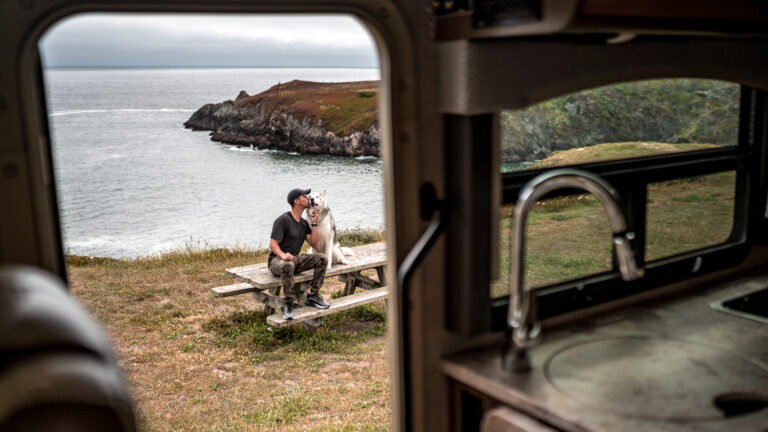
From national parks to music festivals to your best friend’s driveway, an RV lets you wake up in places hotels simply can’t reach. You’ll have your favorite pillow, your morning coffee routine, and your own space — just with a better view. This kind of travel, where home goes wherever you go, is what makes RVing feel fundamentally different from any other vacation.
Is Driving an RV Hard for Beginners?
Driving an RV isn’t hard for beginners. It feels similar to driving a large SUV or a moving truck. It requires extra caution, but it’s not the white-knuckle experience most beginners imagine. The key adjustments are:
- Wider turns. Swing out a bit more at intersections and corners.
- Longer stopping distances. Leave more space between you and the vehicle ahead.
- Height awareness. Know your RV’s clearance height before you encounter low bridges, gas station canopies, or drive-throughs.
- Slower, more deliberate movements. There’s no rush — take your time changing lanes and merging.
Most first-time renters report feeling comfortable behind the wheel within the first hour. Practicing in an empty parking lot before hitting the highway helps build confidence fast.
Expert Tip: Before your trip, look up your RV’s exact height and write it on a sticky note on the dashboard. This one simple step prevents the most common (and most expensive) beginner mistake: hitting a low clearance.
Don’t Want to Drive? How RV Rental Delivery Works
If driving feels like a dealbreaker, RVshare offers delivery rentals that eliminate the need to drive entirely. Here’s how it works: the RV owner brings the rig directly to your campsite, handles leveling, connects the water and electrical hookups, and extends the slide-outs and awnings. When your trip is over, they pick it up. All you do is show up with your bags and enjoy.
Delivery is an especially popular option for first-time renters, families with young kids, and anyone renting for a special event like a festival or tailgate.
What Type of RV Should a First-Time Renter Choose?
One of the first decisions you’ll face is which type of RV to rent. Here’s a quick comparison of the most common options:
| RV Type | Best For | Approximate Cost Range | Ease of Use |
| Class B (Camper Van) | Couples, solo travelers | $$ | Easiest — drives like a large van |
| Class C (Mid-Size Motorhome) | Families, small groups | $$$ | Easy — most popular for first-timers |
| Class A (Large Motorhome) | Large groups, extended trips | $$$$ | Moderate — largest and most spacious |
| Travel Trailer | Families with a tow vehicle | $$ | Moderate — requires towing experience |
| Fifth Wheel | Large groups with a pickup truck | $$$ | Moderate — requires a fifth-wheel hitch |
A Class C motorhome is the most popular choice for first-time renters. It offers a good balance of living space, drivability, and affordability. If you don’t have towing experience, a motorhome (Class A, B, or C) is easier than a travel trailer or fifth wheel, which require hitching and backing skills.
What RV Systems Will You Need to Learn?
You don’t need to be mechanically inclined to operate an RV, but you will need a basic understanding of a few onboard systems before you head out. The main ones are:
- Water hookups: Connecting a hose from the campsite water spigot to your RV’s freshwater inlet. A full hookup campsite provides water, electricity, and sewer connections at your site. Partial hookups can mean just electric, or electric and water hookups only.
- Electrical connections: Plugging in to campsite power (typically 30-amp or 50-amp service) to run your air conditioning, lights, and appliances.
- Dump tanks: RVs have gray water tanks, which hold water runoff from the sinks and shower and black water tanks that hold wastewater from the toilet. You’ll need to empty these at a dump station — a designated facility for that water at most campgrounds. It sounds unpleasant, but it’s a simple, quick process.
- Slide-outs: Expandable sections of the RV wall that push outward to create more interior space when parked.
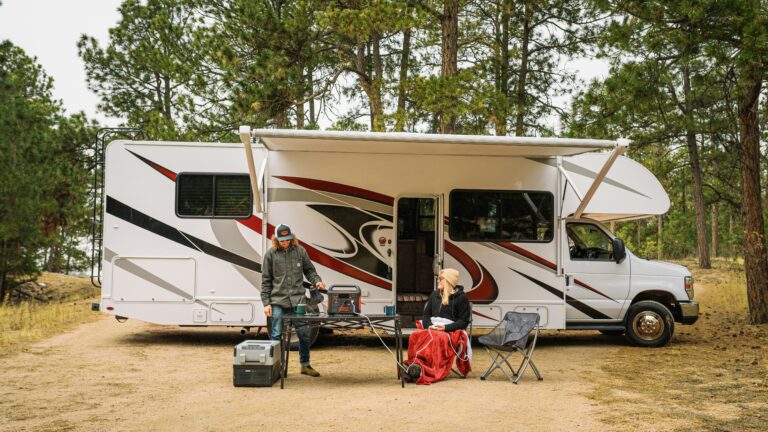
- Awnings: Retractable covers that extend from the side of the RV to provide shade at your campsite.
If you rent through RVshare, the owner provides a hands-on walkthrough before your trip. Ask questions, take notes, and record short videos on your phone for reference later. Most renters feel confident after two or three setups.
What Are Common Mistakes First-Time RV Renters Make?
Even with preparation, most first-timers make a few rookie mistakes. Being aware ahead of time helps you avoid them — or at least be ready (and know you’re not alone!) when they happen.
Common Mistakes:
- Forgetting to disconnect hookups or retract the awning before driving away
- Trusting GPS directions that route you down narrow roads or under low bridges
- Not confirming that your campsite can accommodate your RV’s length
- Overfilling the freshwater tank (or forgetting to close the drain valve)
- Overpacking — RV storage is more limited than most people expect
- Underestimating fuel costs, especially for larger motorhomes
None of these are trip-ruining disasters. They’re learning moments, and every experienced RVer has a story about the time they forgot to retract a slide-out or drove away with the power cord still plugged in. Go in with a sense of humor, and you’ll be fine.
What Kind of Comfort Should You Expect in an RV?
RVs are comfortable, but the comfort they offer is different from a hotel room. Understanding the differences ahead of time will help you enjoy the experience rather than fight against it.
Space is compact
Your kitchen, bathroom, and sleeping area are all functional but small. Showers are shorter, counter space is limited, and you’ll need to be intentional about how you organize your belongings.
Nature is part of your living room
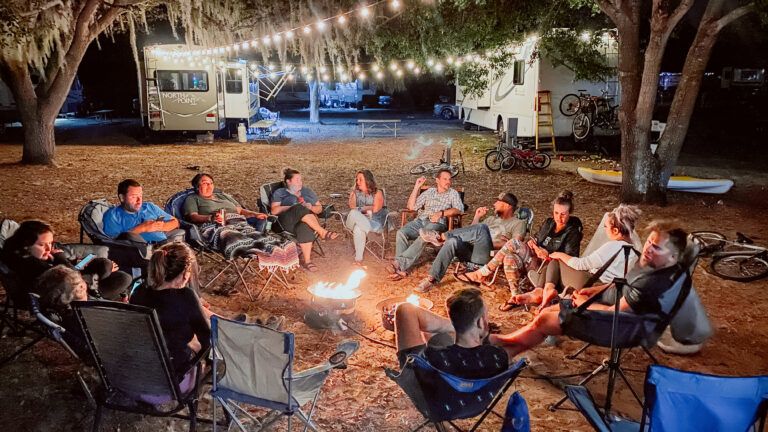
Your campsite becomes an extension of your RV. You’ll likely cook outdoors, eat at a picnic table, and spend evenings around a campfire. Weather affects your plans more directly than it would at a hotel — a rain backup plan is worth having.
You trade luxury for experience
What you give up in thread count and room service, you gain in sunrise views, stargazing, and the satisfaction of being self-sufficient. Most first-timers find the trade-off more than worth it.
How Can You Prepare to Be More Self-Sufficient on an RV Trip?
RV travel requires more self-sufficiency than a hotel vacation. You’re responsible for meals, setup, and route planning. But with a bit of advance preparation, none of it is overwhelming.
- Bring backup supplies: Extension cords, adapters, extra water, and a basic tool kit can save the day.
- Plan meals ahead of time: Decide what you’ll cook, plan where you’ll shop for groceries, and prep what you can. This avoids long drives into town for forgotten ingredients.
- Pack light and smart: Storage is limited. Bring versatile clothing layers and only the essentials.
- Build setup and teardown time into your schedule: Your first campsite setup will take longer than expected. Give yourself grace.
- Research campgrounds carefully: Check for hookup availability (water, electric, sewer), confirm that your RV size fits the site, and reserve well in advance — especially during peak season.
What Does an RV Trip Actually Cost?
RV travel is generally more affordable than equivalent hotel-and-flight vacations, but it’s important to budget for the full picture.
Costs to Plan For
- RV rental fee
- Mileage fees (many rentals include a set number of miles; extra miles incur a per-mile charge)
- Generator usage fees
- Fuel (RVs get roughly 8–18 MPG depending on size)
- Campsite fees (typically $25–$75/night for full-hookup sites)
- Insurance coverage
- Propane refills
- Cleaning fees
- Attraction admissions and activity costs
Where You’ll Save
RV travel also eliminates several major vacation costs:
- Most restaurant meals (you have a kitchen!)
- Flights
- Hotel rooms
- Rental cars
First-Time RV Rental Checklist
Use this checklist to set yourself up for a smooth first trip:
- Choose the right RV type and size for your group
- Read the rental listing carefully — confirm mileage limits, fees, and policies
- Take dated photos of the RV before leaving (interior and exterior)
- Practice driving in an empty parking lot (if not using delivery)
- Confirm your campsite’s hookup type and size restrictions
- Pack light — prioritize layers and multi-use items
- Bring extension cords and power adapters
- Plan simple meals and shop before departure
- Have a weather backup plan
- Download offline maps for areas with limited cell service
Who Should (and Shouldn’t) Rent an RV for the First Time?
RV rentals are a great fit for:
- Flexible, experience-oriented travelers who enjoy the outdoors
- Families looking for a memorable, kid-friendly vacation
- Event-goers (festivals, tailgates, races) who want on-site accommodations
- Road trip enthusiasts who value the journey as much as the destination
- Travelers who want to visit national and state parks
RV rentals may not be ideal for:
- Those with mobility challenges that make compact spaces difficult (though there are accessible RVs)
- Anyone expecting a luxury resort experience
- Travelers unwilling to handle setup, meal prep, or minor problem-solving
What’s the Best Mindset for Your First RV Trip?
Your mindset is the single biggest factor in whether your first RV trip is a great memory or a stressful one. Go in expecting a little bit of chaos, a few small mistakes that’ll become great stories, and a lot of freedom. The goal isn’t perfection — it’s adventure.
The renters who enjoy their first trip the most are the ones who see the learning curve as part of the fun. Embrace the quirks, laugh at the mishaps, and soak in the views. You’re trading predictability for possibility, and that’s what makes RV travel special.
Frequently Asked Questions About RVing for the First Time
Yes, you can rent an RV without any experience. The majority of RVshare renters are first-timers. Owners provide in-person walkthroughs covering all RV systems, driving tips, and trip guidance before departure. If you’d rather skip the operational side entirely, delivery rentals are available in most areas.
In most U.S. states, a standard driver’s license is all you need to rent and drive a motorhome. Requirements can vary for very large Class A rigs, so check your state’s specific regulations and the rental listing details.
Insurance costs vary depending on the coverage level you choose. RVshare offers insurance packages that cover liability, comprehensive, and collision damage. Review the available options during booking to choose the level that fits your comfort and budget.
If something breaks or goes wrong on your RV trip, contact the RV owner first. Most issues (a tripped breaker, a finicky water heater) can be resolved with a quick phone call and simple instructions. For more serious mechanical problems, RVshare provides 24/7 roadside assistance. Having the owner’s number saved and a basic understanding of the RV’s systems goes a long way.
A 3–5 night trip is ideal for first-timers. It’s long enough to settle into the rhythm of RV living, but short enough that the new systems and compact space don’t feel overwhelming. For your very first trip, consider a campground within a few hours of home so you can ease into driving without a marathon road day.
For travelers who value freedom, flexibility, and unique experiences, renting an RV is one of the most memorable ways to vacation. It’s more affordable than most hotel-and-flight trips, and the experience of waking up in a national park or at a lakeside campsite is hard to beat.
Ready for Your First RV Adventure?
Ready to see what RV travel is all about? Browse RV rentals near you and start planning your first adventure.