Salmon River
The Bureau of Land Management (BLM) is responsible for 1 in every 10 acres of land in the U.S.
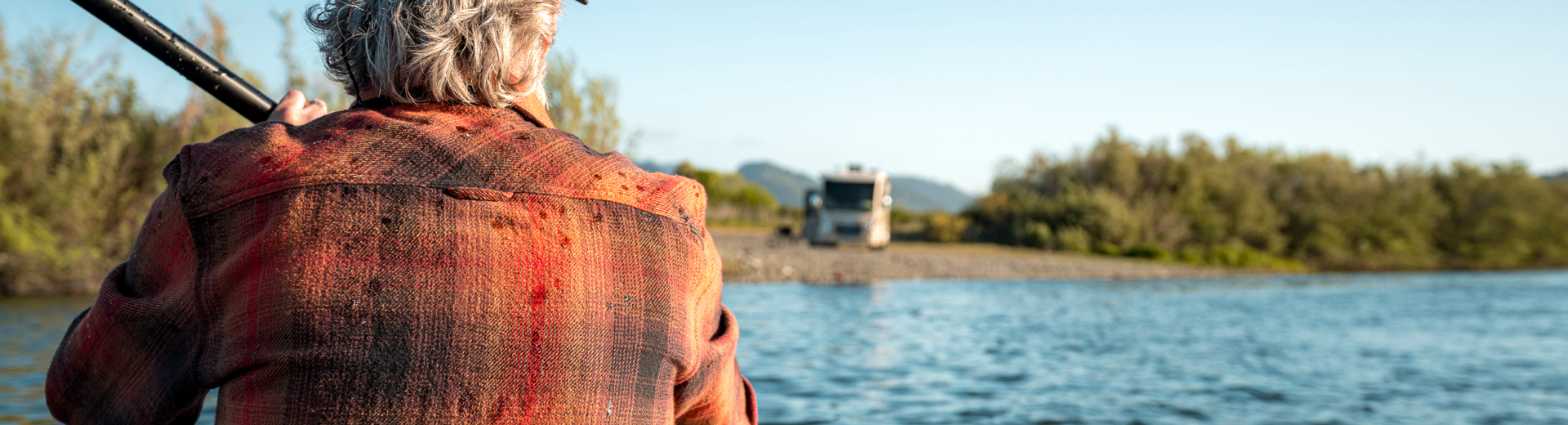
Salmon River is undammed, flows 425 miles through the central portion of Idaho, and cuts through the Salmon River Canyon. It is the central waterway for the Frank-Church Wilderness, which is considered the largest wilderness in the continental U.S. It features white quartz sand beaches, a natural hot spring, and clear water. It's the perfect destination for RVers who love rafting, abundant wildlife, or visiting hot springs. The Salmon River flows by several developed RV campgrounds with excellent amenities. Most of the campgrounds are accessible by paved or gravel roads.
Quick Facts About RVing in Salmon River
• RV Friendly: Yes • Max RV Length: 32 feet for BLM campgrounds • Camping Type: Developed and dispersed • Reservations: Not required • Hookups: None • Dump Station: Nearest dump station is Newland Ranch Dump Station • Potable Water: Available at developed campgrounds • Cell Service: Spotty • Pets: Allowed, but leashes are required • Roads: Highway with paved or gravel roads to recreation sites • Best Season: Spring, summer, and fall
Why RV Travelers Love This BLM Area
• Riverfront highways offering beautiful river views • Plenty of boondocking opportunities • Easy pull-outs with wide shoulders • Amazing wildlife views • Beautiful scenery perfect for photography • Excellent fishing and rafting • Undammed river for boating
What to See and Do
Hiking and Biking
Salmon River Trail #742
This route leads to the Salmon-Huckleberry Wilderness and runs along the magnificent Salmon River. This trail goes along the north shoulder of the river from its edge to a cliff with various viewpoints. Although the trail typically travels through flat ground, there are some steep spots along the way.
Length: 25.7 miles
Intensity: Difficult
Green Canyon Way Trail #793A
The trail climbs along a primitive, winding path through a typical Westside Cascade forest. It's a lengthy, steady ascent with multiple twists to Hunchback Mountain's ridge line. Despite the dense forest vegetation, there aren't many views along this strenuous route. On a hot summer day, the trek offers wonderful shade.
Length: 6.1 miles
Intensity: Moderate
Fishing and Boating
It's a dream come true to go fly fishing on the Salmon River. The scenic river has breathtaking scenery, and the thriving steelhead fish make for an enjoyable activity. The Salmon River is more than 400 miles long, and the seasons for fishing vary by location. The river also supports a variety of other fish, including rainbow trout and chinook salmon, even though steelhead is one of the most sought-after fish. Visitors can also enjoy rafting in the lower Salmon River Canyons. The intermediate rapids range from Class II to IV. They are a lot of fun and ideal for inflatable paddle rafts or kayaks.
Climbing
Visitors can go trad climbing, ice climbing, and aid climbing in the Salmon River Mountains. It is a major mountain range in Idaho and is located south of the Salmon River.
Wildlife Viewing
You will see a variety of wildlife on your rafting adventure down the Salmon River. You may likely see a broader range of species on the Middle Fork, including bighorn sheep, elk, mule deer, white-tailed deer, mountain goats, black bears, and moose. This makes for an intriguing ride because you could focus on the woods for signs of activity. These waterways are also teeming with fish species, including sturgeon, cutthroat sockeye salmon, and others. Smaller creatures like butterflies, snakes, and dragonflies may be encountered when hiking.
Picnicking
There are several picnicking spots around the Salmon River. The Deadwater Picnic Area, for instance, allows for group picnicking and available amenities include a boat ramp, parking, toilet, and picnic tables. The Salmon River Picnic Shelter is a better alternative because it offers similar amenities.
Bureau of Land Management Camping
RV Camping 
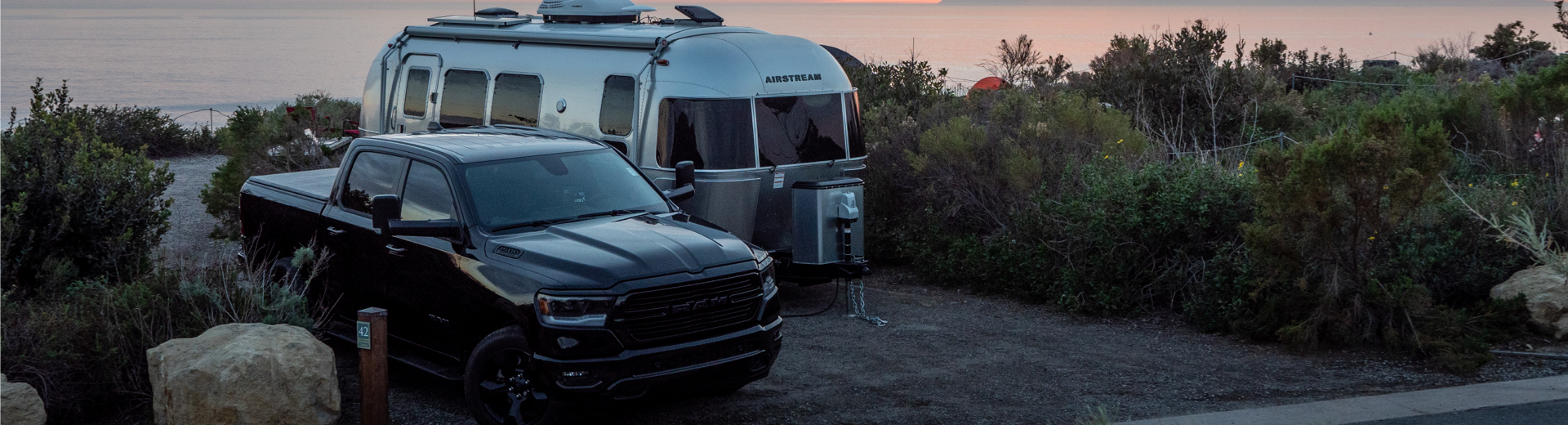
There are many RV camping areas within and near Salmon River. The Salmon River Campground is situated by the Salmon River northeast of Stanley, Idaho. There are two loops with 30 tent and RV camping spots. The loop on the uphill of Highway 75 includes 12 sites while the loop along the Salmon River has 18, including three double sites. All the driveways and roadways are paved, and each campsite features a grill-attached fire pit and a picnic table. Other amenities include garbage disposal, power, bathrooms, and firewood. This campsite operates on a first-come, first-served basis and does not accept reservations. The charges are $ 15 in the lower loop and $13 in the upper hill loop for a single site.
Other campgrounds in the area include the Redfish Lake Area Campgrounds, Riverside Campgrounds, Mormon Bend Campgrounds, and Casino Creek Campgrounds. Dogs are permitted in most campsites but must be leashed.
Developed Campgrounds
RVers will find plenty of developed campgrounds along Salmon River. Salmon River Campground is in Stanley and offers RV sites with both riverside and uphill loops. There are no hookups, but the sites have fire rings, picnic tables, and only cost $15 per night. Additional options include Shoup Bridge Campground and Hammer Creek Recreation Site, which feature accessible restrooms, potable water, and RV dump stations. Private RV parks, including Wagonhammer RV Park and Andreas On the River RV Park, offer electric, water, and sewage hookups.
Dispersed Camping
Dispersed camping is available at Sawtooth National Forest and Salmon-Challis National Forest. The stay limit is 14 days, and these campsites follow a leave-no-trace policy. Most access roads are paved, but connecting roadways are often gravel and dirt. Stay informed about potential road closures due to landslides and flooding from heavy rain, such as South Fork Salmon River Road and Pine Creek Road. Fire restrictions state that all campfires along Salmon River must be contained in a fire ring.
Is This BLM Area Good for Your RV?
• Camper Vans: Camper vans are an excellent choice for the Salmon River. Their compact size makes them easy to maneuver at campgrounds, boat launches, and other recreation sites. They also handle the short gravel access roads with ease. • Travel Trailers: Travel trailers are a good option for camping along the Salmon River. Most campgrounds are accessible from paved highways, although larger trailers may require extra care when backing into campsites or navigating gravel access roads. • Fifth Wheels: Fifth wheels can access many campgrounds along the Salmon River, but larger models may have difficulty at smaller recreation sites with tighter parking areas. • Class A Motorhomes: Class A motorhomes can be accommodated at the private campgrounds. However, their size can make smaller campgrounds, boat launches, and gravel access roads more difficult to navigate. • Class B Motorhomes: Class B RVs are one of the best choices for the Salmon River. Their smaller size and tight turning radius make them well suited for both paved highways and gravel access roads. • Class C Motorhomes: Smaller Class C motorhomes are a good fit for the Salmon River corridor. They can comfortably travel the paved highways and most gravel access roads. However, larger models may be challenging to navigate in smaller camping areas and recreation areas.
Free Camping 
There aren't many dispersed camping areas around and along Salmon River. The White Bird Gravel Pit in Salmon is a lovely free BLM camping location for a brief overnight stay. The lack of phone service is a major drawback. The second location is in Riggins, which is near the Salmon River. The campsite is next to a lovely beach bar, has a shelter, and is quite simple to level. You will like this free camping location because of the river views, mountain backdrop, water noises, privacy, and beach. Other free campgrounds include Hell’s Canyon Overlook, East Fork Weiser River, and Seven Devils Mountain Range.
RV Rentals Near Salmon River Plan your next adventure
Planning your Salmon River BLM trip
Pack enough swimming suits, shorts, t-shirts, and sports footwear during the summer. Bring water, a hat, sunglasses, and sunscreen with you. Be ready to get wet and wear clothing that is comfortable for you. Avoid wearing jean shorts, leggings, and leather shoes, and go for quick-drying clothing instead. Before you head out on your trip, check out our blog for all you need to know about BLM Camping.
What RV Travelers Should Know Before Arriving
RVers visiting Salmon River will need potable water if they choose dispersed camping options. You will find gas stations and grocery stores along the Salmon River. A dump station is available at Valley Wide Country Stores. You can use a generator at dispersed camping locations; however, you must comply with BLM quiet hours from 10 p.m. to 8 a.m. Consider reading our Best Picks Guide if you are considering getting a generator. You must follow a leave-no-trace policy when camping on BLM lands. Cellular service along the Salmon River is spotty, and severe storms can lead to road closures.
Leave No Trace 
If camping on public BLM land, it is essential to clean up after yourself, and this means taking all trash with you in your car or on foot, leaving tent pads as untouched as possible, and trying not to cut plants. Unlike the National Forest Service, which has rules requiring campsites to be kept clean, there are no rules for BLM land. It is up to you to keep your camp clean and not leave any trash behind. If you do not pack out everything that you packed in when you're done camping, then some poor soul might have a very unpleasant hike ahead of them.
Salmon River Location
From Challis, take Highway 93 south for about three miles. The Challis Bridge Recreation Area will be on your right, and you can access the Salmon River here. There are numerous other sites along the river that you can access it.
Address: 721 East Main Avenue, Suite 8, Challis, ID 83226
Ready to visit Salmon River? An RV rental is a great way to experience your destination. Not only will you be close to all the action, but at the end of a long day of exploring, you'll have your RV to return to for the night, where you'll enjoy a full kitchen, bathroom, and nice soft bed. Not sure about renting an RV? Here's a step-by-step guide to renting an RV with RVshare.
Plan Your Day at Salmon River
• Morning: In the morning, prepare a tasty meal in your RV. You can then embark on a rafting excursion. Alternatively, head to the Sacajawea Interpretive, Cultural and Educational Center and explore the local history and enjoy the outdoor trails. • Afternoon: Stop in at a restaurant to experience the local food. Then, drive to the Warm Spring Creek area and head to the Goldbug Hot Springs Trailhead. You will hike about four miles to reach the hot springs. You can spend the afternoon soaking in the warm water and enjoying the natural beauty of the area. • Evening: In the evening, return to your RV to spend time socializing with your group while you grill up some eats. After a long day, you can drift off to sleep listening to the peaceful sounds of the river.
Nearby Attractions
• Salmon River Fish Hatchery: The Salmon River Fish Hatchery raises millions of salmon yearly. It's a great choice for RVers because it offers a visitor center with educational opportunities and easy parking. The hatchery sits right along the banks of Salmon River, so you won't have to drive your RV far. • Bayhorse Ghost Town: This ghost town, located only about four miles from the river, features mining settlements dating back to the 19th century. You will see historic ruins and experience cliffside views. • Frank Church-River of No Return Wilderness: Though this attraction is more of a drive at nearly 65 miles from the river, it's perfect if you're looking for a backcountry experience. The challenging hiking paths shouldn't be missed.
Frequently Asked Questions
Can you RV camp at Salmon River? Yes, you can RV camp at several developed campgrounds and dispersed camping areas along the Salmon River. Dispersed campsites are first-come, first-served, while most private RV parks accept reservations. The day-use recreation sites and boat launches provide designated parking for visitors closer to the water. What RVs are recommended for Salmon River and surrounding areas? Camper vans, travel trailers, and smaller Class B and Class C motorhomes are all good choices for the Salmon River. Larger Class A motorhomes and fifth wheels can also access many of the developed areas, but it's important to check campsite length and road conditions before your trip. When is the best time to visit Salmon River? If you are planning to visit Salmon River, the best time to come is July and August. The weather is warm, and the locale offers terrific conditions for traveling families. The river rapids are stronger between May and June and could present serious hazards. Are there age requirements for visiting Salmon River? Yes, all children must be at least 6 to visit the Lower and Main sections of Salmon River. The age requirement for the more hazardous Middle Fork region is 12. An adult must accompany all children. Do I need a permit to raft in Salmon River? Yes, you must get a permit to raft in certain sections of Salmon River during peak seasons. The most popular sections requiring a permit are the Main Salmon and Middle Fork regions.
Rent the Right RV for This Trip
As you plan your trip to Salmon River, you must ensure that you rent the right RV. If you plan to get closer to Salmon River, consider a camper van or compact Class B RV. A more maneuverable rig may also be better to navigate access roads after extreme weather. Browse our RV rentals in Salmon, Idaho to find the best option for your Salmon River adventure.