Santa Rosa Wilderness
The Bureau of Land Management (BLM) is responsible for 1 in every 10 acres of land in the U.S.
Santa Rosa Wilderness is a great day-use spot or a place for hike-in camping. You'll find several nearby RV campgrounds with water and power hookups, and some even include sewer connections. These developed campsites are available year-round by reservation only. This rugged desert and mountain landscape has a rich history spanning more than 3,000 years. The Santa Rosa Mountains were the homeland of the Cahuilla tribe for hundreds of generations. During your visit, you may come across some of their sacred sites. Highways 74 and 86 offer relatively easy access to the trailheads for small to medium RVs.
Quick Facts About RVing in Santa Rosa Wilderness
• RV Friendly: Yes (for day use) • Max RV Length: Varies by campground and parking availability • Camping Type: Primitive backpack camping allowed with self-issued permit • Reservations: Yes for nearby developed campgrounds • Hookups: None on-site • Dump Station: None on-site • Potable Water: None on-site • Cell Service: Spotty • Pets: Pets allowed on a 6-foot leash • Roads: Wilderness access roads and paths rough and unpaved • Best Season: Spring, fall, and winter
Why RV Travelers Love This BLM Area
• Stunning scenery • Camping variety • Easy access with 4x4 RVs • Excellent hiking and outdoor recreation opportunities • Convenient access to nearby towns • Proximity to rare, endangered, and unique wildlife
What to See and Do
Hiking and Biking
La Quinta Cove
The La Quinta Cove trail is a popular out-and-back destination for visitors to the Santa Rosa Wilderness. Its rugged canyons and hills offer stunning views of the Santa Rosa Mountains and the surrounding desert landscape. The trail is well-maintained and marked, making it suitable for hikers and bikers alike. Length: 3.6 miles Intensity: Easy
Boo Hoff Trail
This loop trail offers beautiful views of the desert landscape and the Santa Rosa Mountains, including Toro Peak. Hikers can enjoy the unique flora and fauna of the area. Length: 12.8 miles Intensity: Difficult
Cactus Spring Trail
This out-and-back trail leads to Cactus Spring, a hidden oasis filled with vibrant wildflowers, towering cacti, and unique rock formations. The route has an elevation gain of 6,870 feet, making it suitable for experienced hikers. Length: 30.8 miles Intensity: Difficult
Sheep Mountain Trail
The Sheep Mountain Trail is an out-and-back trail that takes hikers through some of the most rugged terrain in the Santa Rosa Wilderness and offers challenging and steep ascents and descents. Length: 12.4 miles Intensity: Difficult
Climbing
Martinez Mountain is a popular destination for rock climbers, with its rocky cliffs and picturesque views. There are over 100 bolted routes, ranging from beginner to advanced levels. The granite cliffs and boulders offer stable conditions for climbers looking to challenge themselves. Note that most climbs are traditional, so bring all the necessary equipment. Toro Peak is another excellent destination for experienced climbers. It stands over 8,000 feet tall and offers stunning views of the Santa Rosa Mountains range.
Wildlife Viewing
The La Quinta Cove trail is one of the best spots for wildlife viewing in the Santa Rosa Wilderness. Along the route, you can spot various animal species, including coyotes, desert bighorn sheep, mountain lions, mule deer, bald eagles, and American kestrels. There is also a variety of reptiles and amphibians, such as lizards, snakes, and frogs.
Picnicking
The BLM site in Santa Rosa Wilderness offers designated picnic spots with grills and covered shelters. There are also designated fire pits, picnic tables, and restrooms for visitors.
Bureau of Land Management Camping
RV Camping 
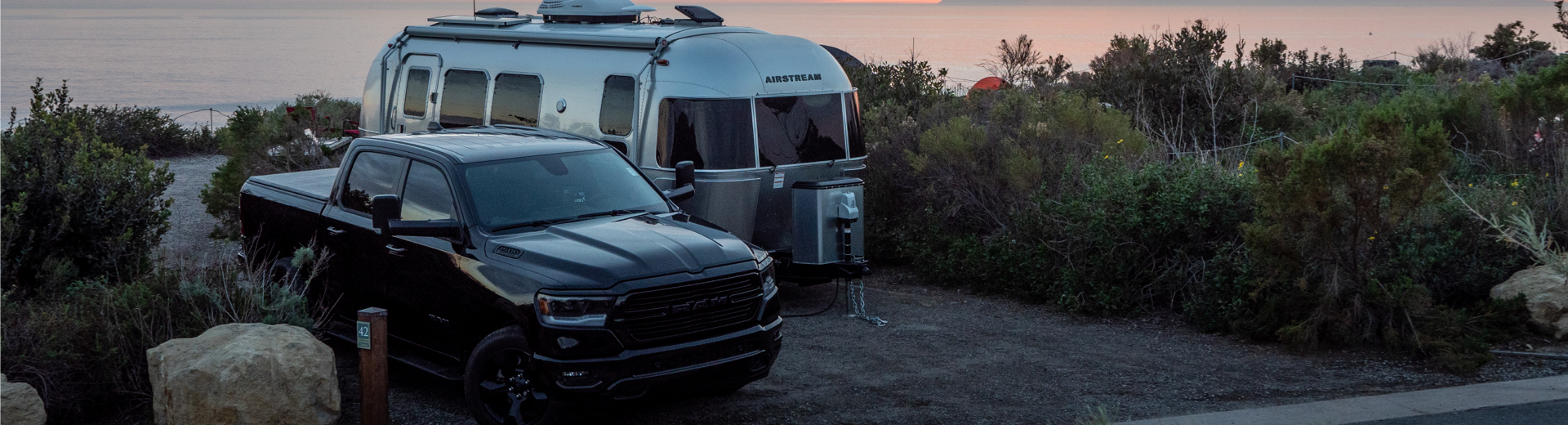
BLM RV camping is possible in the Santa Rosa Wilderness. Some Bureau of Land Management campgrounds near the site include Shadow Hills RV Park, Palm Springs / Joshua Tree KOA, and Emerald Desert RV Resort. The pet-friendly Shadow Hills RV Park has a heated pool and sites with full hookups. Palm Springs / Joshua Tree KOA has 287 sites with full hookups and strong cell reception. You will love Emerald Desert RV Resort's fitness center, 255 full-hookup RV sites, and three dog runs.
Developed Campgrounds
Several developed campgrounds near the Santa Rosa Wilderness offer RV and tent camping by reservation. Shadow Hills RV Park has full-hookup sites and a heated pool, and Palm Springs/Joshua Tree KOA has over 280 full-hookup sites. The nearby U.S. Forest Service’s Pinyon Flat Campground and Riverside County Regional Park’s Hurkey Creek Campground operate on a first come, first served basis. Pinyon Flat Campground has 19 spacious sites with a 14-day stay limit, though there are no utility hookups. Hurkey Creek has 130 campsites and allows a maximum stay of 14 days within any 28-day period. Check out the essentials needed for off-grid camping before your visit.
Dispersed Camping
There are no opportunities for dispersed RV camping inside the Santa Rosa Wilderness. You might find a Santa Rosa Yellow Post site for dispersed camping nearby. These are usually suitable for tents, cars, and small RVs.
Is This BLM Area Good for Your RV?
From the highway, you will follow dirt roads to reach the general reception areas of Santa Rosa Wilderness. These routes are unpaved, develop ruts, and can become muddy after rain. A capable compact RV with four-wheel drive handles these conditions more comfortably than larger rigs. It's important to choose the best RV for this type of environment. • Camper Vans: Camper vans are compact, self-sufficient, and often built with good ground clearance. A four-wheel-drive camper van is the best choice for this area because they handle uneven dirt roads and tight pullouts with ease. • Travel Trailers: Travel trailers work well if you plan to stay at a nearby developed campground. However, it's useful to be aware of their limited turning, low clearance, and susceptibility to damage on steep inclines and uneven dirt tracks. • Fifth Wheels: Fifth wheels can reach the wilderness only with a capable tow vehicle, but they are generally impractical once you arrive. Their size and turning radius make narrow dirt roads challenging, and roadside pullouts rarely offer enough space for comfortable positioning. • Class A Motorhomes: Class A motorhomes are not recommended for visiting Santa Rosa Wilderness. They are too large for the unpaved, rutted, and occasionally washed-out access roads. • Class B Motorhomes: Class B motorhomes are well suited for rough roads. Their smaller footprint, moderate clearance, and self-contained systems make them perfect for visiting the Santa Rosa Wilderness. • Class C Motorhomes: If your Class C motorhome is shorter in length, it may work for a visit to the Santa Rosa Wilderness. It offers more interior space than a Class B rig while remaining robust enough to handle rough dirt roads.
Free Camping 
Enjoy Bureau of Land Management free camping around the Santa Rosa Wilderness. Pinyon Flat Campground and Hurkey Creek Campground are some dispersed camping areas around the wilderness. Dispersed campers should always come prepared with the necessary equipment and follow Leave No Trace principles to protect the fragile environment. Most of these sites permit camping up to 14 days a month. Most of them are free to use and have first-come, first-served availability.
RV Rentals Near Santa Rosa Wilderness Plan your next adventure
Planning your Santa Rosa Wilderness BLM trip
When planning for Bureau of Land Management camping in Santa Rosa Wilderness, you should bring plenty of water, as there is limited access to potable water in the wilderness. Securely store your food and other supplies, as wildlife is known to roam the area. Make sure you are aware of local BLM rules and regulations as well as all state and federal laws, such as firewood restrictions and proper disposal of waste. Before heading out on your trip, check out our blog for all you need to know about BLM camping.
What RV Travelers Should Know Before Arriving
BLM managed lands are kept as primitive and natural as possible. When you arrive, find a nearby campground, set up your rig, and head into the wilderness. If you'll be staying in first-come, first-served campgrounds, bring sufficient clean water. You'll also want a portable heater, a reliable power source, offline maps, and enough food and snacks for the duration of your visit. More importantly, you must follow BLM's leave-no-trace principles during your visit. Cutting vegetation, disturbing natural features, or removing anything from the wilderness is illegal. Pets are allowed only on a six-foot leash because rare native wildlife may react unpredictably to unfamiliar animals.
Leave No Trace 
It is important to practice Leave No Trace principles when camping on public BLM land. This means leaving the land as you found it, picking up trash, and properly disposing of all waste. When camping in the Santa Rosa Wilderness, properly dispose of all garbage, including leftover food. Ensure that any campfires are extinguished and the area is left clean. By following these simple steps, you can help ensure that public lands remain beautiful for generations to come.
Santa Rosa Wilderness Location
Drive on Highway 10 from San Bernardino and exit onto California Highway 79. Drive south and turn left onto California Highway 74. Drive on this route until you reach Santa Rosa Truck Trail. The Santa Rosa Wilderness is 11.9 miles on this route. Latitude/Longitude: 33.550182, -116.218633 Ready to visit Santa Rosa Wilderness? An RV rental is a great way to experience your destination. Not only will you be close to all the action, but at the end of a long day of exploring, you'll have your RV to return to for the night, enjoying a full kitchen, bathroom, and nice soft bed. Not sure about renting an RV? Here's a step-by-step guide to renting an RV with RVshare.
Plan Your Day at Santa Rosa Wilderness
• Morning: Start your day with a warm morning beverage and meal and pack some lunch for midday. Santa Rosa Wilderness has about eight hiking trails, each offering its own level of difficulty and scenery. Popular routes include Cactus Springs, Palm Canyon, Live Oak Springs, and Ramon. • Afternoon: As the sun rises higher, take time to rest, hydrate, and enjoy your packed lunch at a shaded area. You can explore Tahquitz Canyon, which features an impressive 50-foot waterfall. A fee may be required to access this waterfall because it is found on a property owned by the Agua Caliente Band of Cahuilla Indians. • Evening: Prepare for your return to the campground. This area of southern California has minimal artificial light interruption, so you can enjoy stargazing once you settle in for the night.
Nearby Attractions
Southern California is rich in outdoor recreation, scenic drives, and cultural landmarks. The Santa Rosa Wilderness lies between several memorable destinations. Some popular nearby attractions include: • Palm Springs Aerial Tramway: Visit the world's largest rotating tram car, which is less than 20 minutes from Palm Springs. The tram carries you from the desert floor to the cooler Mountain Station at 8,516 feet above sea level. You can enjoy meals at two on-site restaurants, take in sweeping views from the observation decks, and explore the natural history museum. • Palm Springs Visitors Center: Drive northeast on CA 74 East to reach the Palm Springs Visitor Center. The building itself is an iconic example of mid-century modern architecture, originally designed as a gas station before becoming a landmark visitor hub. • Palm Springs Air Museum: The Palm Springs Air Museum offers an extensive collection of aviation artifacts from World War II, the Korean War, and the Vietnam War. More than 40 aircraft are housed here, including the F-4 fighter jet, the B-17 Flying Fortress, the PBY Catalina flying boat, and the C-47 transport. The museum is about 33 minutes from the Santa Rosa Wilderness and is accessible by driving down CA 74.
Frequently Asked Questions
Are there developed campgrounds with hookups? The closest developed campground, the Shadow Hills RV Resort, is about a half-hour drive from the Wilderness Area. It has about 100 sites with hookups available for reservation in a resort environment. Can large RVs navigate the available access roads? The Santa Rosa Wilderness does not have parking designated for large RVs, and the access roads are dirt, uneven, and narrow. If you're hauling a car, you can leave the rig at a campground like Shadow Hills RV Resort and drive to the Wilderness Area. Are campfires allowed? You must have a campfire permit for any kind of fire within the Wilderness Area, including charcoal or propane stoves. Check the regulations of your specific campground before you arrive. Do I need a permit to visit? No entry fee is required for day-use or backpacking in the Santa Rosa Wilderness, but you must register at the self-issue sign-in box at the trailhead. Larger groups will need a Special Recreation Permit. Are generators allowed? Generators and other motorized equipment are generally prohibited inside BLM managed lands. This restriction also applies to nearby U.S. Forest Service campgrounds. Some dedicated camping sites may allow limited generator use, but you must confirm this with local authorities before your visit.
Rent the Right RV for This Trip
The best RV types for visiting Santa Rosa Wilderness are camper vans, Class B motorhomes, and compact Class C motorhomes. Renting an RV gives you the flexibility to choose the model that fits your comfort level, driving confidence, and the terrain you plan to explore. Regardless of the season, choose a four-wheel-drive RV for better, safer handling. Browse RV rentals near Santa Rosa Wilderness.
Nearby BLM Locations
- Santa Rosa and San Jacinto Mountains National Monument - Bureau of Land Management
- Sand to Snow National Monument - Bureau of Land Management
- Palms to Pines Scenic Byway - Bureau of Land Management
- Mecca Hills Wilderness - Bureau of Land Management
- Coachella Valley Preserve - Bureau of Land Management