 Book now and get up to $70 back for gas! Limited time offer. Learn More
Popular Destinations
- Boise, ID
- Caldwell, ID
- Coeur dAlene, ID
- Idaho Falls, ID
- Lewiston Clarkston, ID
- McCall, ID
- Meridian, ID
- Nampa, ID
- Pocatello, ID
- Twin Falls, ID
RV Rental Idaho
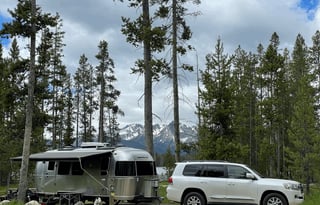
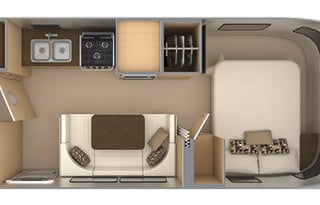

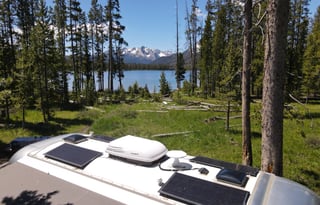
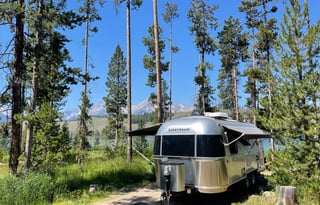
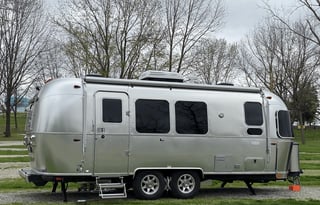

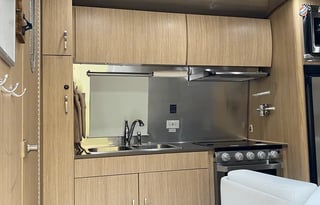
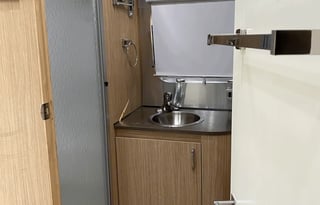
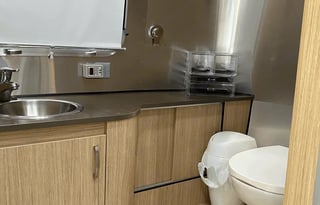
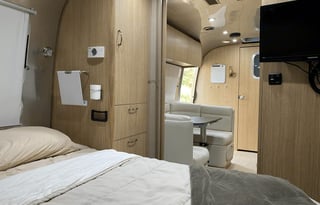
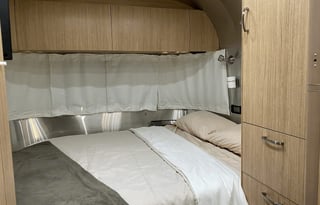
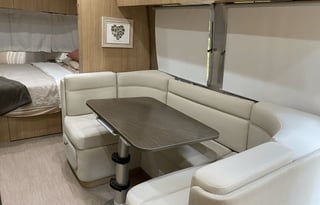

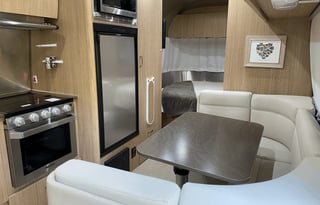
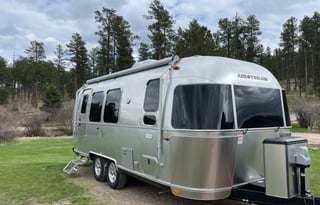
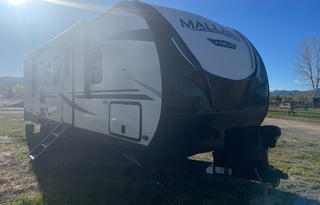
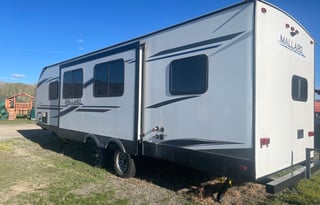
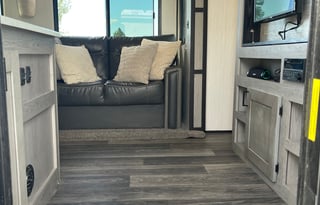
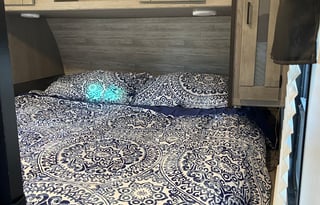

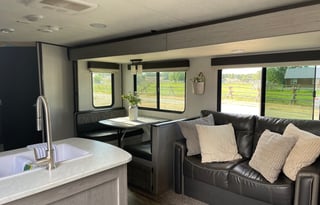

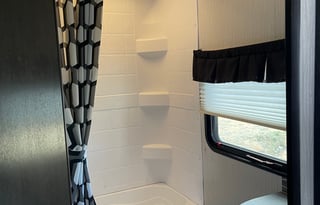

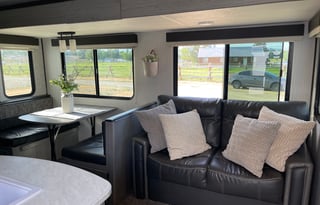
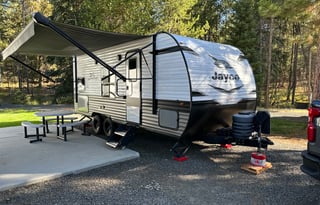
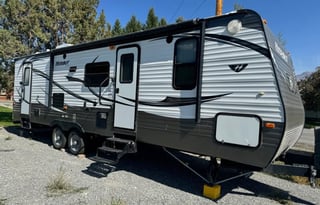
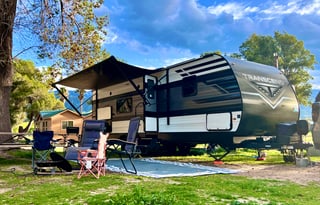
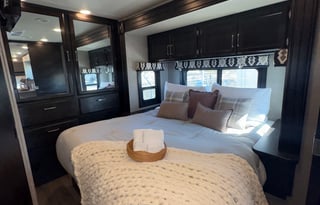



RV Rentals Near Idaho
Top Motorhome RV Rentals
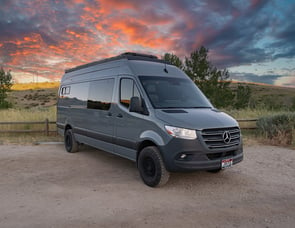

Top Camper Van RV Rentals
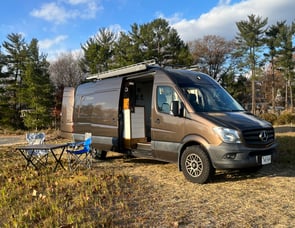
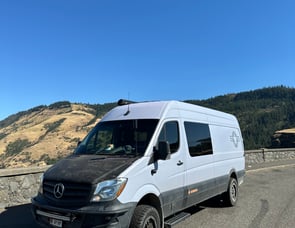
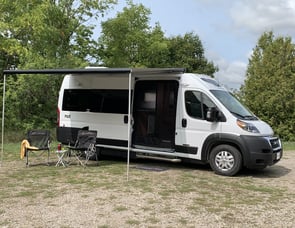
Top Travel Trailer RV Rentals
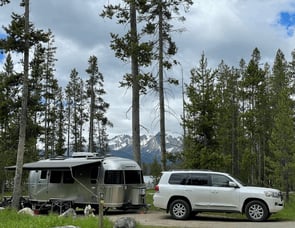
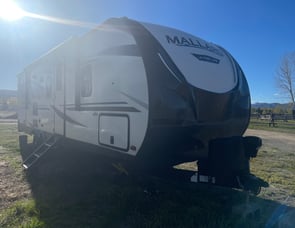
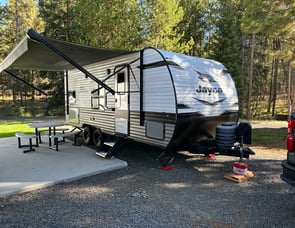
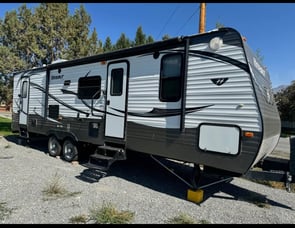
Pet Friendly RV Rentals in Idaho
Budget Friendly RV Rentals in Idaho


Price ranges
Idaho punches well above its weight for RV travel — massive wilderness, dramatic river canyons, and a surprisingly affordable rental market. The average rental runs about $155/night, with travel trailers starting around $100/night and Class A motorhomes typically running $200/night or more.
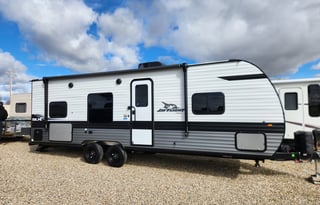
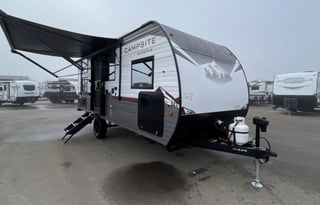
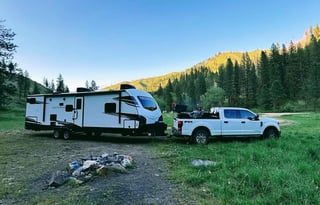
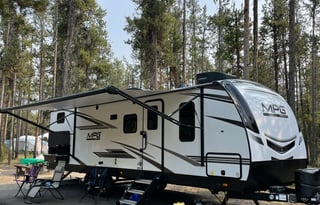
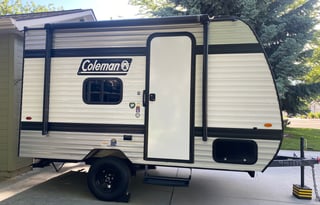
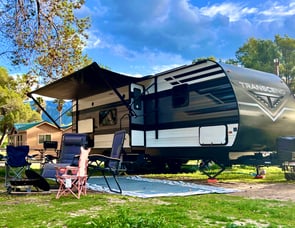
The travel trailer is the preferred RV rental in Idaho. These units sleep anywhere from two to 10 people and start at $100 per night. They are easy to tow, comfortable to live in, and capable of reaching many of the isolated locations favored by Idahoans as vacation spots.
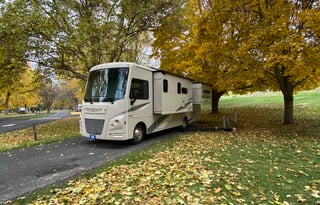
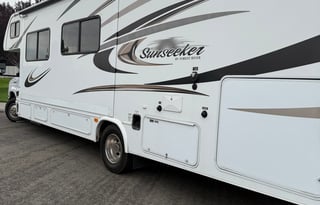
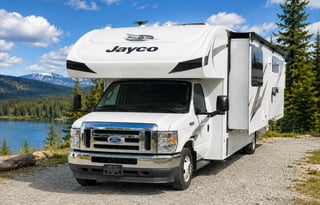
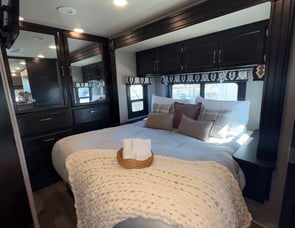
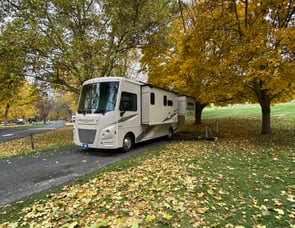
The Class C motorhome is the second choice of Idaho families to rent for vacations or for long family trips. These self-propelled units have all the comforts of home and can tackle most of Idaho’s roads. Depending on their size, Class C motorhomes sleep from two to eight adults and start around $200 per day.
How to Compare Idaho RVs For Rent
High clearance matters outside the main corridors. If your itinerary includes Forest Service roads into the Sawtooth Wilderness, Hells Canyon, or the White Cloud Mountains, a high-clearance unit is a meaningful advantage. Confirm road access before you commit to a route.
Self-contained is the smart call in the backcountry. Idaho has enormous amounts of dispersed camping on BLM and Forest Service land — but services are sparse. A unit with larger tanks and good storage lets you go farther between hookups.
Bear country prep starts at the rental lot. Much of central and northern Idaho is black bear habitat. Confirm your unit has bear-resistant storage or bring a hard-sided container for food. Some campgrounds require it.
Idaho is bigger than it looks. Driving Boise to Sun Valley to Stanley to the Sawtooths and back is beautiful but covers serious mileage.
What to Know About Renting an RV in Idaho
Idaho is one of the most beginner-friendly western states for RV travel — roads are manageable, campgrounds are affordable, and dispersed camping options are nearly unlimited.
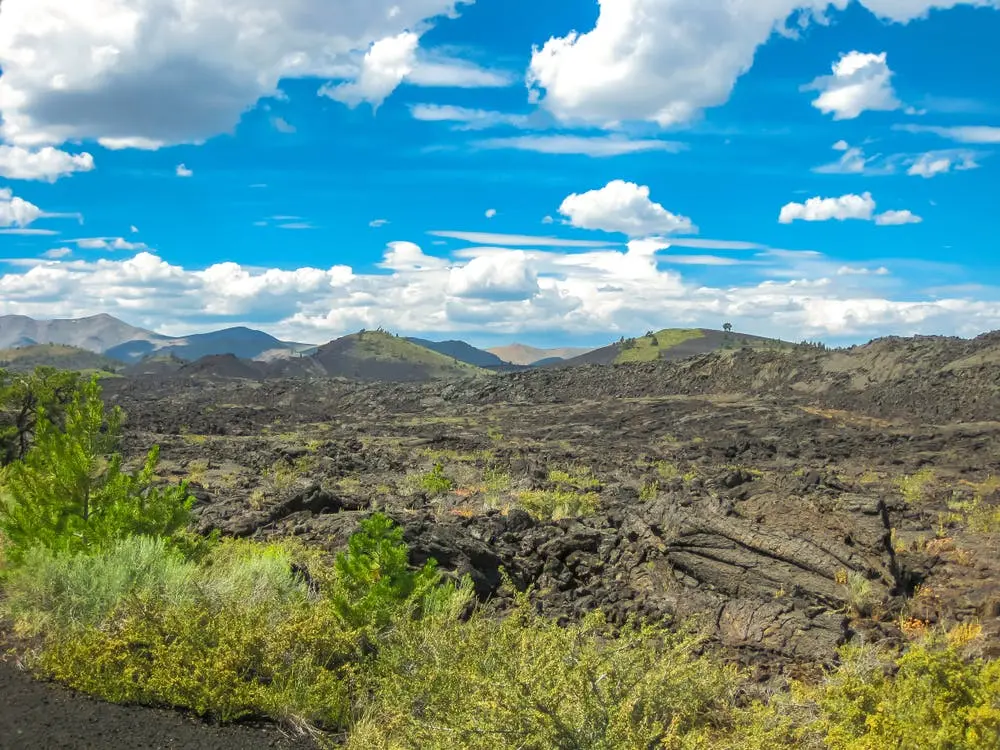
Craters of the Moon has limited RV hookups. The park's campground is mostly dry camping with no hookups. Sites are first-come, first-served outside summer reservation windows. Know your tank capacity before you go.
Sun Valley and the Sawtooths are extremely popular in July and August. Campgrounds in the Wood River Valley and around Stanley book fast for summer weekends. Reserve 2–3 weeks ahead minimum.
Fire restrictions are common mid-summer through fall. Generator use and campfires may be restricted during fire season. Check Idaho Department of Lands and Forest Service restrictions for your travel dates.
The Salmon River corridor has no hookup campgrounds. If you're floating or driving the River of No Return corridor, plan for dry camping the entire stretch.
Boise traffic is light by metro standards. Getting in and out of Boise with a rig is far easier than comparable-sized western cities. The city makes a practical pickup and drop-off base.
Popular RV Parks and Campgrounds in Idaho
Operating out of Boise, ID, the Hi Valley RV Park sits next to Boise’s downtown area and all the amenities it provides. The park reserves 45 of its 164 RV sites for temporary visitors. Every temporary site provides gravel pads, picnic tables, fire rings, and full hookups with a choice of 30-amp and 50-amp service. Features like a heated swimming pool and hot tub make this park one of the most popular in the region.
Another popular RV campground in the Idaho panhandle is the Coeur D’Alene RV Resort. Located within minutes of downtown, this pet-friendly RV Resort provides 191 spaces with full hookups, cable TV, and Wi-Fi. The resort features a swimming pool, laundry facilities, and a camp store that carries groceries, RV supplies, firewood, and ice.
When you stay at Anderson Camp in Twin Falls, ID, you quickly realize why it is one of the favorite campgrounds for RV travelers in the state. Travelers find 62 pull-through sites that are 70-feet long and 30-feet wide, providing more than enough space to deploy any slide-outs. The camp has two geothermal heated swimming pools, a 100-foot waterslide, an 18-hole miniature golf course, and two modern playgrounds for fun for every family member.
RV Dump Stations in Idaho
While planning an RV trip through Idaho, make sure to look ahead for the all-important dump stations along the way. Dump stations are essential elements for a successful RV trip. Not only do these facilities accept the stuff from your waste tanks, but they also provide potable drinking water and non-potable wash water. Most RV parks and campgrounds in Idaho provide dump stations for their guests.
However, there are times when you must find a dump station outside an RV facility. In cities like Boise, Coeur D’Alene, Idaho Falls, Pocatello, and Twin Falls, businesses provide this service. To find where you can clean your waste tanks and fill your water containers, check out this list of dump stations in Idaho.
Best National Parks Near Idaho
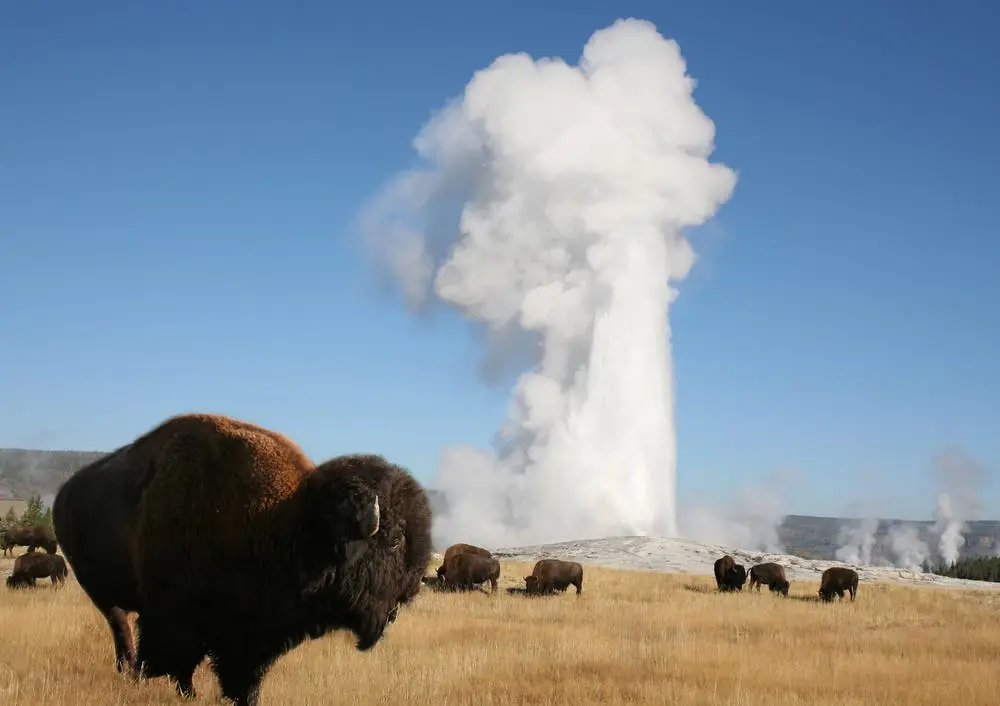
Although part of Yellowstone National Park is in Idaho, only 1% of the park preserve sits in the state. Yellowstone is the first national park ever established.
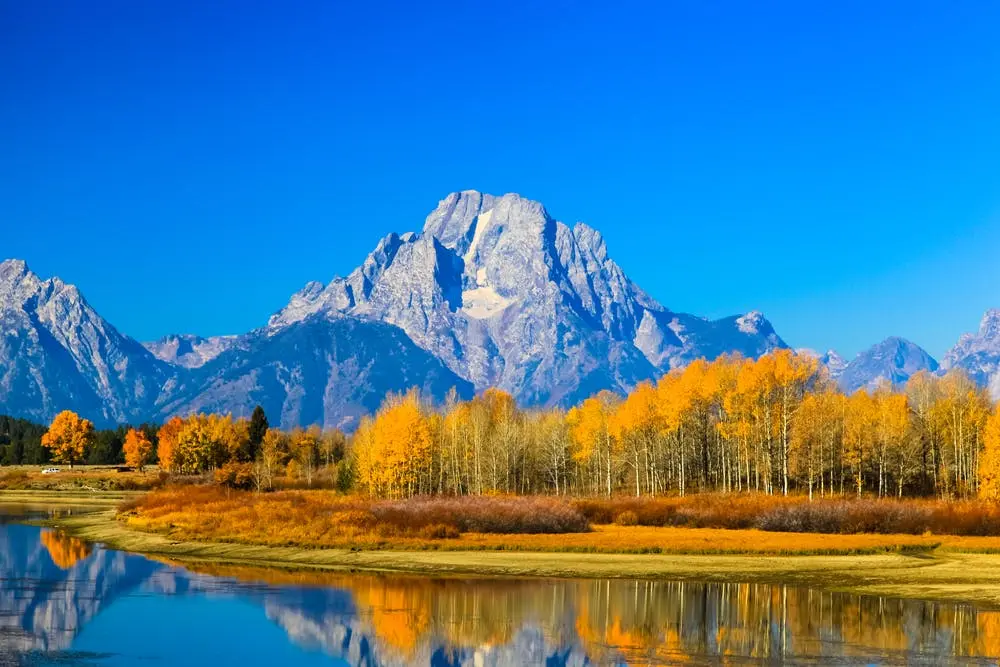
Grand Teton National Park is only 24 miles east of Victor and is on Idaho’s eastern border with Wyoming. Approaching the Grand Tetons for the first time is a startling event. The mountains appear to spring from the earth with little or no foothills to mark their beginnings. The highways that pass below the mountains are called "scenic" highways for this very reason.
A four-hour drive east of Coeur D’Alene, ID, in the northern panhandle of the state, lies Glacier National Park. The park covers over one million square acres and straddles the Montana/Canada border. Organized events include whitewater adventures, ski trips, fishing expeditions, and hiking excursions that may run for days.
Popular State Parks Near Idaho
Must-see Monuments and Landmarks Near Idaho
RVshare’s Top Picks for Nearby RV Parks & Campgrounds
Frequently Asked Questions About Renting an RV Near Idaho
How much does it cost to rent an RV in Idaho?On average expect to pay $161 per night in Idaho.
Do you need to be a certain age to rent an RV in Idaho?Yes. The minimum age is 25 to be eligible to get an RV Rental in Idaho from RVshare.
Does RVshare have emergency roadside assistance?Yes. Every RV rental booked through RVshare receives 24/7 emergency roadside assistance.
Does RVshare offer one way RV rentals in Idaho?Yes. Prior to renting any RV, check with the owner since not all will offer this particular option.
Do you need a special license to drive an RV in Idaho?No. You don’t need a special license or CDL to drive an RV in Idaho.