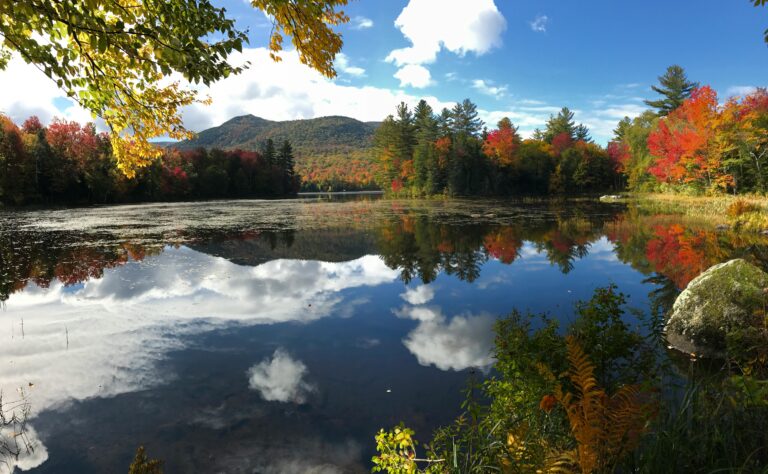
Full-time RV living in New Hampshire is possible, but it comes with more restrictions than most states. Cities like Manchester and Nashua actively prohibit long-term RV residency on private property, and most municipalities require permits for anything beyond short-term parking. That said, New Hampshire’s private RV parks and campgrounds welcome long-term guests, and the state’s natural beauty — the White Mountains, hundreds of lakes, and a small stretch of Atlantic coastline — makes it a genuinely rewarding place to base an RV lifestyle.
Please note: This guide is for informational purposes only and is not a legal source. Rules and regulations may have changed since publication. Always verify current laws with local authorities before making long-term decisions.
New Hampshire Full Time RV Living At A Glance
| Location Type | Legal Status | Typical Cost | Duration Limit | Best For |
| Long-term RV parks and campgrounds | Legal | Monthly/seasonal rates | Varies by park | Most practical full-time option |
| Own property (rural) | Possible with permits | Land cost + permit fees | Check local ordinances | Property owners in permissive townships |
| Own property (Manchester/Nashua) | Prohibited for full-time living | N/A | 30 days max in Manchester | Not an option in major cities |
| State rest areas | Allowed overnight | Free | Short-term only | Travel stops, not long-term |
| White Mountain National Forest | Legal (dispersed camping) | Free | Up to 14 days | Boondocking, seasonal travel |
Can You Live in an RV Full Time in New Hampshire?
If you abide by certain rules and restrictions, you can live in your RV full-time in New Hampshire. Your RV will need to pass all safety inspections. It will also need to be equipped with a shower, bathroom, and sewage disposal system if you’re using it as a residence. You’ll also need to abide by the zoning laws in your area. RVs are classified as recreational vehicles and equipment, so living in one full-time on private property is usually prohibited. However, some places may allow you to live in your RV on your property if you’re building a house. To be sure you understand the rules in your destination, contact the zoning officials in your county or township.
New Hampshire RV Parking Laws
New Hampshire does not explicitly prohibit RVers from parking overnight at state-run rest areas and welcome centers. However, it’s important to check posted signage to ensure there are no restrictions. Free overnight parking may also be available on some private and commercial parking lots, but you’ll need a letter of permission from the owner.
Individual municipalities are likely to restrict where and how long you can park in a given area. Most cities stipulate that overnight RV stays are only allowed at RV campsites or in designated areas. Some cities may allow you to get a permit to park on the street in a designated area overnight. Other towns may require you to get a permit to park your RV on public streets or on your property. For instance, the town of Sanbornton requires a permit to use your RV as temporary housing on your property.
You’ll need to register your vehicle or trailer with the state in order to live in your RV full time in New Hampshire. In most areas, you can park your RV in the driveway of your property. However, some cities may require you to hide your RV from view.
New Hampshire Trailer Towing Laws
New Hampshire sets the following limits for motorhomes and trailer combinations:
- Maximum motorhome length: 45 feet
- Maximum trailer length: 48 feet (including bumpers)
- Maximum width: 8 feet 6 inches
- Maximum height: 13 feet 6 inches
- Safety chains or cables: Required in addition to the primary hitch connection
- Trailer brakes: Required for trailers exceeding 3,000 lbs gross weight
- Lighting: All trailers must have functional brake lights, turn signals, and running lights
- License plate: A copy of the tow vehicle’s license plate must be affixed to the trailer while towing
Be sure to verify current requirements with the New Hampshire Division of Motor Vehicles before heading out.
Boondocking Regulations
New Hampshire’s primary boondocking destination is the White Mountain National Forest in the northern part of the state, which covers nearly 800,000 acres. Several designated dispersed camping areas are available throughout the forest, with a typical 14-day stay limit depending on the specific site and season. Always check current site regulations with the White Mountain National Forest ranger districts before setting up.
Some state parks also allow RV and primitive camping. Bear Brook State Park in Allenstown is one of the more accessible options, with designated RV sites and primitive tent sites available seasonally.
Campfire rules are particularly strict in New Hampshire — fires are prohibited in state forests and in White Mountain National Forest backcountry areas. Campfires are only permitted in designated fire rings in established campgrounds. Always check for current fire restrictions, particularly during dry summer months.
RV Insurance Requirements
New Hampshire is the only state in the country that does not require drivers to carry vehicle liability insurance. As an RV owner, you’re not legally mandated to purchase coverage before hitting the road.
That said, this doesn’t mean you can drive without consequences. New Hampshire operates under a financial responsibility law — if you’re involved in an at-fault accident, you can be held personally liable for all damages, and your license and registration can be suspended until you demonstrate the ability to pay. For full-time RVers whose rig is also their home, uninsured exposure is a significant risk.
Travel trailers and fifth wheels are covered under the towing vehicle’s liability policy while being towed. For full-time RV living, a dedicated full-time RV policy is strongly recommended — it adds coverage for personal belongings, liability while parked, weather damage, and other exposures that standard vehicle policies don’t cover.
Rules for Camping on Public Land
New Hampshire has several rules that apply to camping on public land.
- White Mountain National Forest allows dispersed camping in most areas, with a 14-day stay limit per location. Free dispersed camping doesn’t require a permit in most zones, but developed campgrounds within the forest charge nightly fees and accept reservations through Recreation.gov.
- New Hampshire state parks generally limit camping to designated campgrounds with fees and reservations. Dispersed or primitive camping outside designated sites is not permitted in most state parks.
- Leave No Trace principles apply: pack out all trash, keep food properly stored, respect wildlife distances, and camp at least 200 feet from water sources where possible.
Pets are welcome in some state park campgrounds but must remain leashed and supervised at all times. Check the specific park’s pet policy before arriving.
Full-Time RVing in Manchester
If full-time RV living in Manchester is in your future, you may enjoy perks like saving money on property taxes or rent. Plus, you’ll have the chance to make new friends who enjoy the RV lifestyle. Manchester has plenty of fun things to see and do, like visiting the Palace Theatre or the Currier Museum of Art. You can also enjoy candle pouring at Green Envy or visit the See Science Center.
RVing in Manchester FAQs
No. Manchester Building Regulation 151.41 does not allow drivers to park a trailer on any street, public place, or private tract of land with few exceptions. Some Manchester streets may allow emergency or temporary parking for up to 24 hours, but this condition is subject to traffic and parking ordinances for particular streets, which may prohibit or limit RV parking.
Manchester Building Regulation 151.41 limits RV parking on personal property to one trailer in an accessory garage or a rear yard if the RV belongs to the property owner or an approved visitor. The trailer cannot have its wheels removed or stay onsite for more than 30 days. Manchester prohibits you from living in your RV on the lot of an occupied dwelling.
Full-Time RVing in Nashua
Nashua, New Hampshire provides RVers with plenty of benefits, like an affordable cost of living and plenty of job opportunities. RVers can enjoy a wide range of indoor and outdoor activities like wine tasting at Fulchino Vineyard, indoor skydiving at SkyVenture NH, or spending a morning at the Nashua National Fish Hatchery. Full-time RVers will like Nashua’s culture and close proximity to nature.
RVing in Nashua FAQs
Nashua allows you to park RVs at RV parks and campgrounds. Ch 320 Article XIII stipulates that overnight RV parking is only allowed on designated streets with a permit. The city does not issue permits to RVs for overnight parking. Article VI Supplemental Use Regulations 190-35 does allow a property owner to park their camper on their property or give a guest permission to park there. Owners whose guests stay for more than 72 hours must notify an administrative officer of the guest’s presence and get a permit to legitimize their stay.
No. City of Nashua’s Article VI Supplemental Use Regulations 190-35 forbids you from living in an RV full-time on your property and does not recognize RVs as accessory dwelling units.
How to Live in an RV Full Time
When you decide to live full time in your RV, you’ll need to make a plan for the future. Full-time RV living is exciting, but it can take a lot of effort to prepare your RV for the road and make sure it stays comfortable year-round. It’s a good idea to insulate your RV for the cold winter months. You’ll need to account for expenses like health insurance, vehicle payments, fuel, utilities, campground fees, food, and discretionary spending. You’ll also need to establish residency in New Hampshire and get a voting and mailing address. Be sure that you have an income from savings, retirement income, or a job on the road that will cover your bills.
Types of Properties You Can Live on Full Time in an RV
Here are the types of properties you can live in in your RV:
- Developed campgrounds and RV parks: When you want to pursue full-time RV living in New Hampshire, RV parks and campgrounds that accommodate long-term guests can be an accessible choice.
- Your own property: Some New Hampshire towns will allow you to live in an RV on your property while you’re building a permanent home, but they usually set a time limit on your stay. Towns and counties in northern New Hampshire may have less stringent zoning restrictions and allow you to live on your own land with a permit. Reach out to local authorities to learn about the relevant laws in your area.
Key Takeaways
- Full-time RV living is possible in New Hampshire, but it comes with more restrictions than most states — Manchester and Nashua both actively prohibit long-term RV residency on private property, making long-term RV parks and campgrounds the practical solution for urban full-timers.
- New Hampshire is the only state in the country that does not require vehicle liability insurance — but that doesn’t mean driving uninsured is risk-free. An at-fault accident can result in personal liability for all damages and suspension of your license and registration. Full-timers should carry a dedicated full-time RV policy.
- Manchester has specific regulations worth knowing: RVs may only be parked on private property in an accessory garage or rear yard, wheels must remain on, and stays cannot exceed 30 days. Living in an RV on the lot of an occupied dwelling is prohibited.
- Nashua does not issue overnight parking permits to RVs and does not recognize RVs as accessory dwelling units — full-time RV living on private property is explicitly prohibited.
- New Hampshire’s trailer length limit (48 feet including bumpers) is slightly longer than many states, and uniquely requires a copy of the tow vehicle’s license plate to be affixed to the trailer while towing.
- The White Mountain National Forest covers nearly 800,000 acres and is the state’s primary boondocking destination, with dispersed camping available in most areas up to a 14-day limit.
- Campfire rules are stricter in New Hampshire than most states — fires are prohibited in state forests and White Mountain National Forest backcountry areas, and only permitted in designated fire rings at established campgrounds.
- Northern New Hampshire townships tend to have significantly more permissive zoning than the state’s major cities — rural property owners should verify local ordinances directly with county or township officials before making long-term plans.
RVing in New Hampshire FAQs
As you’re journeying through the United States in your RV, you may be able to sleep overnight in some state rest areas. You can stop overnight and sleep at campsites on state or national lands, in RV resorts or campgrounds, and in some commercial or private parking lots. It is typically not legal to pull over on the side of the highway or road and sleep in your RV.
In recent history, New Hampshire has not passed any laws that have changed how the state treats RVs.
In New Hampshire, if the county or city you want to live in allows it, you can legally live in your RV full-time. Alternatively, you can live at an RV park or campground indefinitely by paying a monthly or seasonal rate.
Many New Hampshire cities will allow you to legally park your RV in your driveway or garage for a limited period of time, but some cities may require a permit to do so. In Manchester, you can park your RV in an accessory garage or rear yard on your property. Contact your local officials to learn about parking an RV on your property in your town or county.
Some New Hampshire towns and counties have permissive zoning laws that make it possible to buy land and use it for full-time RV living, but most cities do not allow you to use a motorhome or trailer as a permanent residence.
Since many extended-stay RV parks in New Hampshire charge monthly or seasonal rates, it may be possible to stay at one of these locations indefinitely.
Exploring New England in your motorhome can be a great way to transition to RV living full time in New Hampshire. You’ll be able to explore the forests, swim in the lakes, and enjoy small-town culture and food. Before you commit to this lifestyle, find out all you can about the New Hampshire location you want to call home. Reach out to local authorities to learn more about zoning, parking, and camping ordinances, and think about renting an RV and hitting the road to try out this lifestyle for yourself.