Sheephole Valley Wilderness
The Bureau of Land Management (BLM) is responsible for 1 in every 10 acres of land in the U.S.
Off Highway 62, you’ll find a nature preserve far removed from the hustle and bustle of Southern California’s popular desert destinations. At Sheephole Valley Wilderness, you won’t find an entrance station, marked campground, or line of RVs waiting for a site. Since federal wilderness laws prohibit vehicles on this land, you’ll have to leave the RV behind. The only way into and out of this nature preserve is on foot or horseback. That doesn’t mean RV travelers can’t enjoy the area. With careful planning, you can enjoy dispersed camping or boondocking on legal BLM lands outside Sheephole Valley’s boundaries and then hike into the Wilderness. Smaller RVs can get you closer to the preserve’s boundaries. Before you go, review the official Sheephole Valley Wilderness page.
Quick Facts About RVing Near Sheephole Valley Wilderness
• RV Friendly: Limited to areas outside Sheephole Valley Wilderness • Max RV Length: Varies; shorter rigs recommended • Camping Type: Dispersed camping on nearby BLM land • Reservations: No • Hookups: None • Dump Station: None onsite • Potable Water: Bring your own • Cell Service: Spotty or unavailable • Pets: Allowed; keep them leashed and controlled around wildlife • Roads: Paved highway with dirt and sandy access roads • Best Season: Late fall through early spring
Why RV Travelers Love This BLM Area
• Free dispersed camping nearby • Access from paved Highway 62 • Great place for off-grid camping • Room for self-contained boondocking • Close to Joshua Tree National Park • Convenient basecamp for exploring the eastern Mojave • Excellent hiking and wildlife viewing • Dark skies with little nearby light pollution • Quiet campsites with room between neighboring rigs
What to See and Do
Hiking and Biking
The Sheep Hole Mountain Loop Trail
Located near Twentynine Palms, the Sheep Hole Mountain Loop Trail is an excellent way to explore the beautiful Sheephole Range. This mountain range features a unique desert landscape of monzogranite boulders scattered around. Hiking on this trail can be challenging due to steep rocky slopes and ridges, but dry waterways occasionally offer a smoother path. While you can spot bighorn sheep along the trail, the western speckled rattlesnake is more commonly seen. Length: 5.09 miles Intensity: Difficult
Fortynine Palms Oasis Trail
The Fortynine Palms Oasis Trail is another popular trail for hikers visiting the Sheephole Valley Wilderness. Just 37 miles away, this out-and-back trail is located near Twentynine Palms and features stunning desert scenery and a beautiful oasis. While the trail is moderately difficult, hikers will be rewarded with spectacular views of the surrounding mountains and valleys. It's important to note that dogs are not allowed on this trail, so plan accordingly. Length: 2.98 miles Intensity: Moderately Challenging
Wildlife Viewing
The Sheephole Valley Wilderness is home to a diverse array of wildlife. As you traverse the rugged landscape, you may catch a glimpse of bighorn sheep scaling the rocky slopes, coyotes darting through the brush, and ground squirrels scurrying about. Keep an eye out for kangaroo rats hopping along the sandy terrain and black-tailed jackrabbits bounding through the desert. You might also spot roadrunners zipping across the landscape and several species of lizards basking in the sun. While exploring the wilderness, be mindful of rattlesnakes coiled up in the shade as they are also a common sight in the area.
Picnicking
The Hidden Valley Picnic Area is a sprawling and picturesque location situated along Park Boulevard in the heart of Joshua Tree National Park. This large, spread-out picnic area offers ample space for visitors to enjoy a relaxing outdoor meal. With numerous picnic tables and grills available, you can cook up your favorite foods and take in the park's stunning scenery. Pit toilets are also provided for the convenience of visitors.
Stargazing
With its remote location and lack of light pollution, the Sheephole Valley Wilderness offers an ideal setting for stargazing enthusiasts. On a clear night, you can see a breathtaking array of stars, planets, and constellations twinkling above.
Bureau of Land Management Camping
RV Camping 
For those who prefer RV camping near Sheephole Valley Wilderness, there are several great options available. One of the most popular RV campgrounds is the Jumbo Rocks Campground, located in Joshua Tree National Park. This campground allows RVs, and reservations are required from September through May. It's important to note that there is no water access on the premises, so campers should come prepared with their own water supply. Another excellent camping option for RVers with motorhomes or trailers under 24 feet in length is the Hidden Valley Campground, also located within Joshua Tree National Park. This campground offers 44 sites for RV camping and other forms of camping. However, the only on-site amenity is a vault toilet for public use.
Dispersed Camping
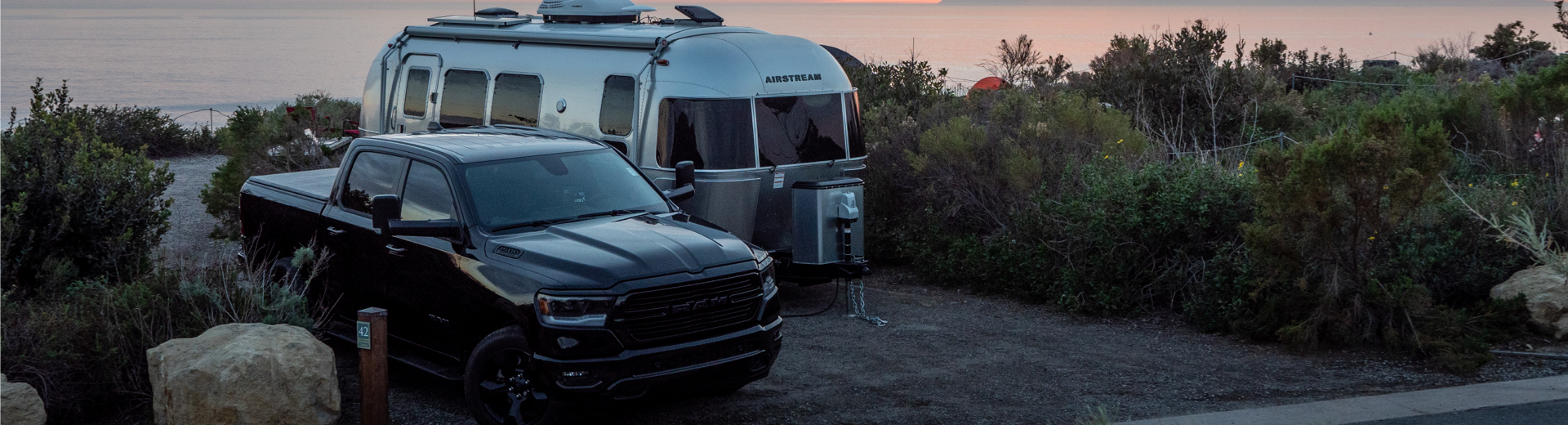
RVs cannot enter the designated wilderness, but travelers can use established dispersed campsites on BLM land outside its boundary. Check a current land-use map because public land, private parcels, and wilderness areas meet throughout the desert. Never drive past a wilderness sign, gate, or designated route. These primitive sites have no hookups, toilets, trash service, or water. BLM stays generally can't exceed 14 days within a 28-day period, although local limits may differ. Choose an existing site, pack out everything, and avoid disturbing tortoise burrows. Smaller RVs with good clearance handle sandy roads and sharp rocks best. Review current BLM California fire restrictions before lighting a campfire.
Is This BLM Area Good for Your RV?
• Camper Vans: Camper vans are the easiest fit for this trip. Their short wheelbase helps with tight turns, small clearings, and occasional sandy patches. • Travel Trailers: A short trailer may work when the access road is firm and dry. Scout the route with the tow vehicle before bringing a trailer. Dirt and sandy roads off Highway 62 can be difficult for travel trailers. • Fifth Wheels: Most fifth wheels are better suited to a developed campground near Twentynine Palms. Primitive pullouts may not provide enough space to turn or level a long combination. • Class A Motorhomes: Highway 62 can accommodate a Class A, but nearby dirt roads are another matter. Stay at an RV park and use a smaller vehicle to get you closer to Sheephole Valley Wilderness Area. • Class B Motorhomes: Class B RVs work especially well here. They offer the clearance and compact turning radius needed for many established dispersed sites. • Class C Motorhomes: A short Class C may reach suitable campsites during dry weather. Watch the rear overhang when crossing dips, washes, or uneven shoulders.
Free Camping 
While dispersed RV camping is permitted in Sheephole Valley Wilderness, it's essential to understand that there are no dump stations, water, or electrical hookups provided in the area. The rugged terrain and unpaved roads can also make navigating with a motorhome or trailer difficult.
RV Rentals Near Sheephole Valley Wilderness Plan your next adventure
Planning your Sheephole Valley Wilderness BLM trip
Water is essential while camping in desert climates, so make sure you bring plenty of water for your trip. It's generally recommended that you bring at least one gallon of water per person per day.
Although Sheephole Valley Wilderness is a popular spot for camping, it's important to keep in mind that the region is also home to a variety of wildlife and natural habitats. The creatures found here require caution and respect.
The desert can be extremely hot during the day and cold at night, so it's crucial to wear appropriate clothing. Dress in layers, wear comfortable shoes or hiking boots, and bring a hat and sunscreen to protect yourself from the sun.
Cell service and GPS can be unreliable in most parts of the area, so it's a good idea to bring a map and compass to navigate the wilderness.
As you navigate the area, it is important to be cautious about where you pull off the road as there are many tortoise burrows.
Camping on BLM land is a budget-friendly way to experience the great outdoors without breaking the bank. It provides a unique opportunity to get up close and personal with nature, unlike any other form of camping. Before embarking on your adventure, be sure to check out our blog for everything you need to know about BLM camping from finding the best campsites to the essential gear to bring along.
What RV Travelers Should Know Before Arriving
Sheephole Valley has no potable water, dump station, fuel, propane, trash collection, or emergency facilities. Stop in Twentynine Palms, approximately 30 minutes from the southern boundary. The city has groceries, fuel, restaurants, and camping supplies. Medical care and additional RV services are also available in town. Fill the RV’s water tank, and pick up extra drinking water. Generator use is generally permitted on nearby dispersed BLM lands, but campers should use them courteously and follow any seasonal fire or noise restrictions. In addition, cell service disappears quickly outside town, so download maps and directions beforehand. Review the National Weather Service forecast and Caltrans QuickMap for weather, closures, and road conditions. Summer heat can become dangerous, while thunderstorms may flood low crossings. Tell someone where you are going and when you plan to return.
Leave No Trace 
Cleaning up after yourself when camping on public BLM land is incredibly important. Not only does it help keep the land beautiful and pristine for future visitors, but it also helps protect wildlife and the environment. Litter and trash left behind can harm wildlife by entangling or choking them or disrupting their natural habitats. Additionally, leaving your trash behind can contaminate the soil and water, which can have harmful effects on the local ecosystem. So, practicing the "Leave No Trace" guidelines is essential.
Sheephole Valley Wilderness Location
Sheephole Valley Wilderness is in San Bernardino County, about 25 miles away from the town of Twentynine Palms, California. The wilderness area can be accessed from Highway 62. Ready to visit Sheephole Valley Wilderness? An RV rental is a great way to experience your destination. Not only will you be close to all the action, but at the end of a long day exploring, you'll have your RV to return to for the night where you'll enjoy a full kitchen, bathroom, and nice soft bed. Not sure about renting an RV? Here’s a step-by-step guide to renting an RV with RVshare.
Plan Your Day at Sheephole Valley Wilderness
• Morning: Eat breakfast in the RV while the valley is cool. Check the weather, drive to the wilderness boundary, and pack plenty of water before hiking into the desert. • Afternoon: Return to the RV before temperatures peak. Make lunch, rest in the shade, and watch for birds or bighorn sheep. Twentynine Palms offers restaurants and a break from the heat about 30 minutes away. • Evening: Prepare dinner at camp as the mountains catch the last light. Turn off unnecessary exterior lights after sunset, and settle in for stargazing beneath the dark Mojave sky. Evening temperatures can drop quickly, so keep a jacket close.
Nearby Attractions
• Twentynine Palms: Drive about 30 to 40 minutes west for groceries, fuel, propane, restaurants, medical care, and RV supplies. It is the last dependable place to fill tanks and replace forgotten essentials. • Joshua Tree National Park: The north entrance is approximately 40 minutes away. Scenic roads, picnic areas, short trails, and visitor centers make the park an easy addition to a desert RV trip. • Indian Cove Campground: About 45 minutes from the wilderness, Indian Cove gives travelers a developed alternative to boondocking. Select sites fit RVs and combined vehicle lengths up to 35 feet. Reservations are required, and hookups are unavailable. • Amboy Crater: Allow about 75 minutes to reach this volcanic landmark near Historic Route 66. Its large parking area is easier for many RVs to navigate than primitive wilderness access points. • Cadiz Dunes Wilderness: Roughly two hours east, this remote BLM destination protects rolling dunes and delicate desert habitat. Vehicles must remain outside the wilderness boundary, just as they do at Sheephole Valley.
Frequently Asked Questions
Can an RV enter Sheephole Valley Wilderness? No. Federal wilderness rules prohibit RVs, cars, motorcycles, OHVs, bicycles, and other mechanical transportation inside the protected area. Visitors must leave their vehicle on a legal road or campsite outside the boundary. Park without blocking gates or travel routes, and enter the wilderness on foot or horseback. Can you camp inside Sheephole Valley Wilderness? Hikers and equestrians may generally camp in the backcountry, but they must carry their gear beyond the wilderness boundary. You cannot bring an RV or wheeled cart inside. Most RV travelers will find it easier to use an established dispersed site on nearby BLM land or reserve a developed campground. Do you need four-wheel drive near Sheephole Valley? Four-wheel drive is unnecessary on Highway 62, which runs along the southern boundary. It may help on sandy or damaged side roads. Road conditions can change after strong winds or rain. If the surface looks questionable, park near the pavement and explore from there instead of risking a recovery bill. Is Sheephole Valley suitable for large motorhomes? Large motorhomes can travel along Highway 62, but primitive pullouts may lack turning and leveling space. Washboards, sandy shoulders, and steep dips also create problems for heavy vehicles. Class A owners and fifth-wheel travelers should consider camping near Twentynine Palms and visiting the wilderness with a smaller vehicle. Can campers have a fire near the wilderness? Fire rules change throughout the year, and Southern California often faces seasonal restrictions. A California Campfire Permit may be necessary for fires or portable stoves on public land. Check the current BLM order before the trip. Carry a shovel and water, and never leave a flame unattended in windy conditions. What is the best season for an RV trip? Plan the trip for late fall, winter, or early spring. These seasons bring cooler daytime temperatures and more comfortable hiking weather. Summer highs regularly exceed 100 degrees Fahrenheit, which makes dry camping difficult and dangerous. Winter nights can feel surprisingly cold, so choose an RV with a dependable furnace.
Rent the Right RV for This Trip
A camper van, Class B motorhome, or compact Class C provides the easiest way to explore the area outside Sheephole Valley. These RVs can turn around in smaller spaces and handle uneven campsites more comfortably. A short travel trailer may also work on firm, level ground. Larger rigs are better suited to a developed campground near Twentynine Palms. Renting a motorized RV also removes the challenges of towing along an isolated desert highway. An RV with good air conditioning, a dependable furnace, and generous water storage is a must for traveling in this area. Browse RV rentals near Twentynine Palms to find a comfortable rig for the journey.
Nearby BLM Locations
- Cleghorn Lakes Wilderness - Bureau of Land Management
- Cleghorn Lakes Wilderness Area - Bureau of Land Management
- Marble Mountain Rock Collecting Area (Trilobite) - Bureau of Land Management
- Chambless Rock Collecting Area - Bureau of Land Management
- Mojave Trails National Monument - Bureau of Land Management