Valley of the Gods
The Bureau of Land Management (BLM) is responsible for 1 in every 10 acres of land in the U.S.
Famous for towering red rock spires and desert solitude, Valley of the Gods in southern Utah offers an unforgettable boondocking destination. This Bureau of Land Management (BLM) site provides completely free dispersed RV camping, making it the perfect stop for self-contained small travel trailers, camper vans, and truck campers wanting to experience remote landscapes. No reservations are needed, as all spots are available on a first-come, first-served basis along the unpaved, 17-mile loop road. High clearance or smaller rigs can navigate the gravel terrain with ease, but larger motorhomes should consult the official Valley of the Gods BLM page for road condition information before entering.
Quick Facts About RVing in Valley of the Gods
• RV Friendly: Limited • Max RV Length: Recommended under 25-30 feet (Varies by entrance and road wash conditions) • Camping Type: Dispersed camping (Primitive boondocking) • Reservations: No (First-come, first-served basis) • Hookups: None • Dump Station: None onsite (Nearest options in Mexican Hat or Bluff) • Potable Water: Bring your own • Cell Service: Spotty (Variable signal depending on carrier and nearby monoliths) • Pets: Allowed (Must be kept under control; clean up after pets) • Roads: Gravel (Unpaved, graded dirt and clay; steep washes) • Best Season: Spring and fall
Why RV Travelers Love This BLM Area
• No camping fees or reservations necessary • Prime public land boondocking • An ideal, scenic road trip detour near other sites of interest • Plentiful pull-offs easily accommodate camper vans, truck campers, and small rigs • An exceptional dark skies area that offers superb star-gazing opportunities • Fewer crowds than nearby national parks
What to See and Do
Hiking and Biking
Collins Spring to The Narrows
This kid-friendly trail is great for hiking, birding and walking. While exploring the path, you'll pass an old cow camp where you can rest and enjoy the sights. To hike Cedar Mesa, you'll need to pay for a day hiking pass.
Intensity: Moderate
Length: 3.9 miles
Hole in the Rock Trail
While you're free to hike this path, many visitors choose to tackle the rough terrain with an off-roading vehicle. There's very little shade, making water and sunscreen a must. You don't want to miss the astounding views of nearby Lake Powell.
Intensity: Hard
Length: 49.2 miles
Fishing and Boating
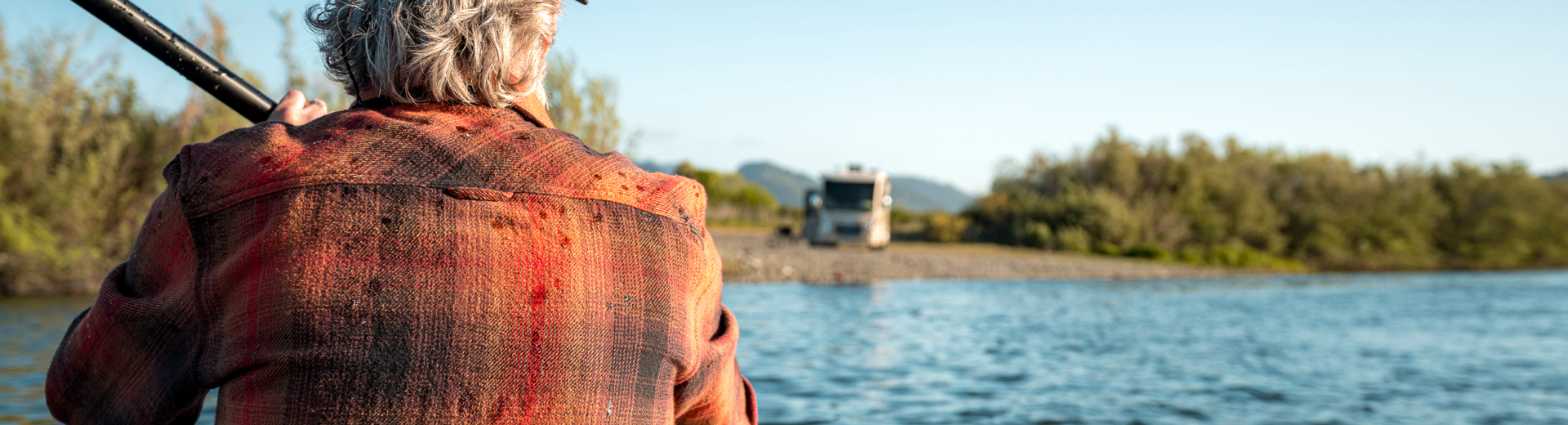
The San Juan River to the west is known to offer some of the best trout fishing opportunities in the country. Summer fly fishing is locally popular as it's easy to catch the rainbow and brown trout as they dart for insects. The San Juan River also gives you the chance to float, tube, kayak and canoe when the water levels are high enough.
Climbing
Experienced climbers are encouraged to try and tackle the loose-rock climbing routes available in the Valley of the Gods. For an easier experience, you can climb the nearby Mexican Hat in Monument Valley. The Robbins Route, for example, has a 5.6 rating and consists of a brief 40-foot pitch. While many of the paths are natural with no bolts, you'll find one bolt ladder here. Avoid climbing after a recent rain as you can easily damage the Moab rock formations.
Wildlife Viewing
The consistently warm environment provides the perfect home for mule deer, kangaroo rats, desert bighorn sheep, desert rabbits and various lizards and snakes. Some of the local birds include canyon wrens, scrub jays, vultures, warblers, titmice and swifts. While black bears and mountain lions do frequent the area, spotting them is uncommon.
Picnicking
You'll find picnic tables at the Natural Bridges Overflow Camp and the Comb Wash Dispersed Campground. You can also picnic at any of the car camps around the Valley of the Gods. No matter where you plan your meals, be sure to fully clean up after your group before continuing your BLM adventure.
Stargazing
The Valley of the Gods is untouched by any nearby light or city pollution. You'll have the chance to see countless more stars than in areas like Monument Valley. Climb up one of the many sandstone ridges for the best views of the unobstructed sky. Be sure to bring a star guide and your portable telescope along with your camping equipment.
Bureau of Land Management Camping
RV Camping 
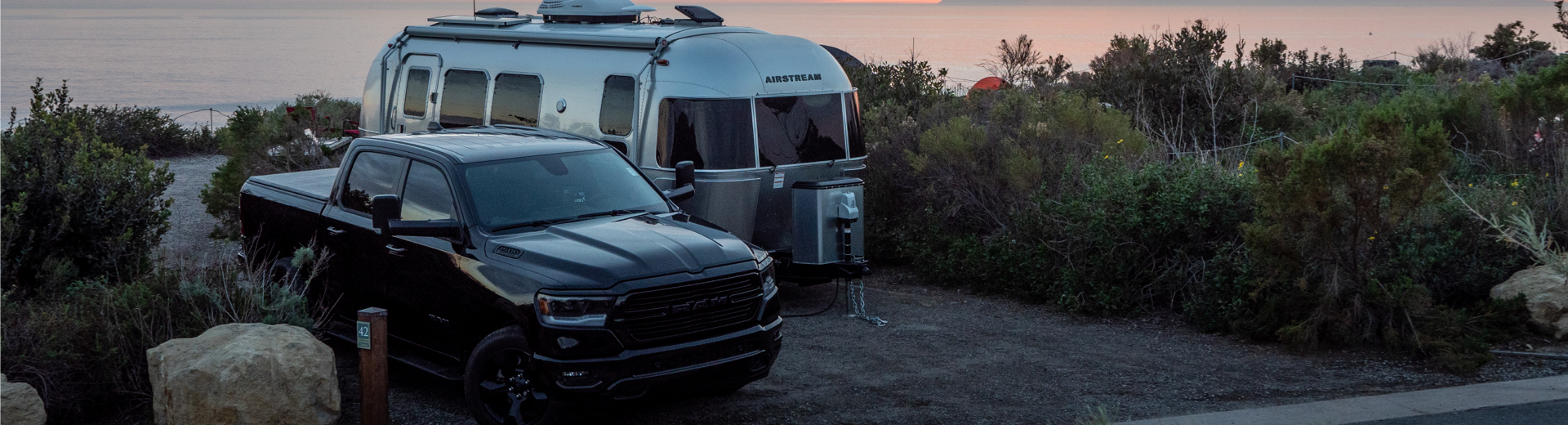
There are no established campgrounds within the Valley of the Gods. However, you can pull up to one of the dispersed camping sites or park your RV alongside San Juan County Road #242. Nearby Bureau of Land Management campgrounds such as the Sand Island Recreation Area offer inexpensive campsites, picnic tables, fire rings, boat launches and other basic amenities. This 27-site camping area is open all yearlong and operates on a first-come, first-served basis. Camping at a standard site here costs $15 a night.
Up near Blanding, Blue Mountain RV and Trading is right off of Highway 191. They have back-in and pull-through RV sites that come with full hookups. You're sure to love the free Wi-Fi, modern showers and laundry facilities. RV camping rates start as low as $45 nightly. Consider staying at Blanding's Sunset Campground for easy access to the historic Anasazi State Park Museum. Several of the sites can fit motorhomes up to 60 feet long. While there is great cellphone service, this campground doesn't offer hookups or amenities.
Dispersed Camping
The BLM permits dispersed camping at the pre-existing and established pull-offs along the 17-mile unpaved loop road. There's excellent spacing between the sites, offering a good amount of privacy and incredible desert views. The standard BLM rules apply here as well; camping is free, but visitors are limited to a 14-day stay within any 28-day period. Because there are no amenities, visitors must practice Leave No Trace principles like packing out all trash and bringing a portable toilet or self-contained RV setup. Rigs under 25 to 30 feet are best at handling the steep washes and graded gravel. Campfires aren't permitted anywhere in the valley, so bring a self-contained propane fire pit if you want that evening glow.
Is Valley of the Gods Good for Your RV?
• Camper Vans: Highly recommended. With compact wheelbases and tight turning radiuses, vans are ideal for navigating the washboard gravel roads, sharp curves and uneven pull-offs. • Travel Trailers: Recommended for small single-axle units under 25 feet that have decent ground clearance. Longer trailers with a dual-axle design risk bottoming out or high-centering when attempting to cross a steep dirt wash. • Fifth Wheels: Not recommended. Sharp turns, narrow switchbacks and deep dry washes create high-center risks for long towables with low clearance. • Class A Motorhomes: Not recommended. The rigid, heavy frames struggle with tight turns and dips in the road, and their low clearance risks damage to the undercarriage. • Class B Motorhomes: Highly recommended. Fits into almost any campsite, easily handles the 17-mile unpaved road, and maneuvers through the dry wash dips with little to no trouble. • Class C Motorhomes: Use caution. Small models under 24 feet handle the road well in dry conditions, but longer models risk scraping during steep wash crossings.
Free Camping 
As you search for BLM camping near me, don't forget to consider Bureau of Land Management free camping options like the Comb Wash Dispersed Camp. This camping area comes with limited amenities and is up near the South Mule Canyon Trailhead. You can also tent or car camp in the Valley of the Gods as long as you use a previously impacted site.
RV Rentals Near Valley of the Gods Plan your next adventure
Planning your Valley of the Gods BLM trip
Dispersed campers should be aware that you're allowed to camp in one spot for up to 14 days in a 28-day period. You'll then have to move at least 25 miles away from your site to continue camping. It's best to bring along more water than you think you'll need. Invest in a large bottle that can carry at least 5 to 7 gallons. Along with water, be sure to pack cooking gear, bug spray, paper maps and guidebooks. Bringing an off-roading vehicle can lessen your weight load and give you access to more of the stunning Utah wilderness. Before you head out on your trip, check out our blog for all you need to know about BLM camping.
What RV Travelers Should Know Before Arriving
Beautiful and austere, Valley of the Gods is a completely primitive backcountry destination. There are no services or facilities of any kind. RV travelers must arrive with enough food, fuel, water, and supplies for the duration of their stay, as there are no trash cans, water spigots, toilets, or dump stations on-site. Campfires are also strictly prohibited throughout the valley. • Nearby Services: Fuel, propane, and basic provisions are available 8 miles away in Mexican Hat. Bluff, located 15 miles to the east, offers more variety and potable water stations. • Connectivity and Weather: Cell service is spotty throughout the valley. Flash floods quickly make roads and washes impassible, so checking the weather forecast beforehand is highly recommended.
Leave No Trace 
Minimize your impact on the environment by traveling in a single-file line on durable surfaces. When hiking, camping and climbing, pack out all trash, debris and human waste. Additionally, strive to avoid any small hills or ranges dotted with white or black peaks. These patches of soil are called cryptobiotic crusts, and they contain nutrients and bacteria vital to the desert's flora and wildlife. As always, practice the "Leave No Trace" guideline on your way out.
Valley of the Gods Location
From Bluff, drive 15 miles west on U.S. Highway 163 to reach Mexican Hat. You'll then travel about 10 miles northeast on Utah Highway 261 until you see San Juan County Road #242. You'll find the Valley of the Gods at 365 North Main, Monticello, UT 84535.
Ready to visit Valley of the Gods? An RV rental is a great way to experience your destination. Not only will you be close to all the action, but at the end of a long day exploring, you’ll have your RV to return to for the night where you’ll enjoy a full kitchen, bathroom, and nice soft bed. Not sure about renting an RV? Here’s a step-by-step guide to renting an RV with RVshare.
Plan Your Day at Valley of the Gods
• Morning: Step out of your RV with a steaming mug of coffee in your hand, and watch the morning sun blaze across the sandstone spires of Rooster Butte and Setting Hen. After breakfast, leave your campsite to explore around the base of the nearby formations. • Afternoon: Take a short drive over to nearby Goosenecks State Park to gaze down the awe-inspiring 1,000-foot drop into the twisting canyon carved by the San Juan River. Return to camp to relax under your rig's awning and escape the midday desert heat. • Evening: Prepare dinner in your camper's kitchen, setting up chairs outside to enjoy your meal as the sunset alights Battleship Rock with its fading rays. End the night with some world-class stargazing, taking advantage of the area's velvety black skies to spot constellations and the Milky Way.
Nearby Attractions
• Goosenecks State Park: Located just 15 minutes away via UT-261, this park offers stunning views from the rim overlooking the San Juan River as it flows 1,000 feet below. • Bluff, Utah: Located 25 minutes to the east, this historic small town is the ideal pit stop for RV travelers, offering opportunities to refuel, restock supplies, shop for souvenirs, and access dump stations or potable water before heading into the backcountry. • Natural Bridges National Monument: Located about 50 minutes to the northwest, this area features three massive stone arch formations that are accessible from either short hikes or scenic paved roads.
Frequently Asked Questions
Does my RV need four-wheel drive to access Valley of the Gods? Four-wheel drive isn't required for dry weather, as the roads are unpaved but graded quite smoothly. However, high ground clearance is essential for navigating dry wash bed crossings. Rain instantly turns the road surface into slick mud, making four-wheel drive a necessity during inclement weather. If travelers without four-wheel drive get surprised by an unexpected rainfall, they may have to wait in place until road conditions improve before moving on. Can I have a campfire at my campsite? To reduce wildfire risk, campfires are prohibited. Travelers who want an evening fire will need to bring a self-contained propane fire pit. It's still worth checking current fire restrictions before your trip because propane devices can occasionally be limited as well. How long can I camp at the Valley of the Gods for free? You can camp for up to 14 days within a 28-day period. Camping is completely free but operates on a first-come, first-served basis with no permits or advanced reservations necessary. After 14 days, you must move your rig outside of a 30-mile radius. Are there any size restrictions for RV camping here? While there are no official restrictions, rigs over 25 feet are strongly discouraged due to the difficulty of navigating dry wash crossings. Visitors must be 100% self-contained, since there are no restrooms, trash cans, or water spigots. Is generator use permitted at dispersed campsites? Yes, generators are allowed at this BLM site. However, because campsites are scattered and the valley is known for its silence, travelers should practice good backcountry etiquette by running their generators only during daytime hours and keeping noise levels low to respect the other campers in the area.
Rent the Right RV for This Trip
Navigating the unpaved loop road through Valley of the Gods requires a nimble rig with reliable ground clearance. Camper vans and compact Class B or C motorhomes under 25 feet are the best fit for this rugged landscape because they can easily maneuver the steep washboard dips that might stress longer setups. Renting a compact motorhome locally takes the pressure off towing over unpaved canyon terrain. If you're visiting in the summer, make sure your rental includes a quiet generator to run the air conditioning. During the spring or autumn, look for reliable onboard heating for those chilly desert nights. Ready to embark on your backcountry desert adventure? Discover RV options near Bluff, Utah, to find the ideal rig for your trip.