Sponsored by Fireside RV
By Garr Russell, Founder of Fireside RV Rental
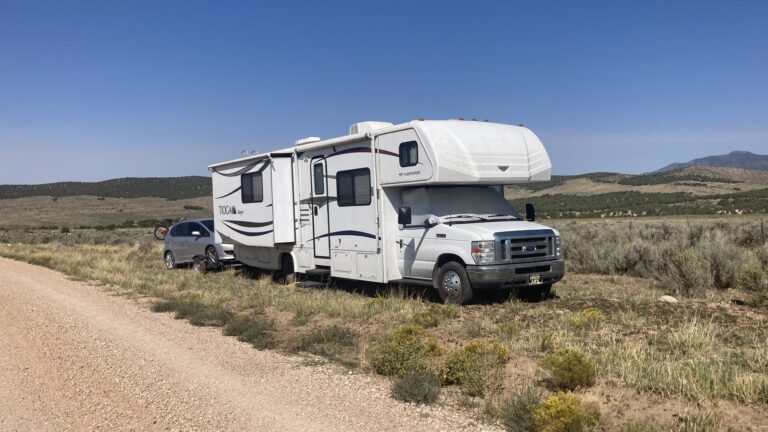
You bought your camper with adventure in mind. Weekend getaways. Family vacations. Campfires and memories you’d talk about for years.
But life gets busy. Work, school schedules, and other commitments fill the calendar. Before you know it, your camper is spending more time parked than exploring.
The payments, insurance, storage, and maintenance expenses, however, haven’t taken a break.
If that sounds familiar, you have options. You can keep enjoying your camper, sell it, or put it to work as a rental. The right choice depends on how often you use it, whether you want to keep it, and how much time you have available.
Option 1: Keep Your Camper for Your Own Adventures
Maybe you still love your RV and want it ready whenever the opportunity to travel comes along. Keeping it exclusively for personal use can make sense if the enjoyment and convenience justify the cost.
But if your camper rarely—or never—leaves its parking spot, it may be time to ask yourself:
Does owning this camper still fit the way we live?
Think about how often you used it over the past year and which trips you realistically expect to take next year. That can help you decide whether to keep things as they are or explore another option.
Option 2: Sell Your Camper Privately or Through Consignment
If your camping chapter has come to a close, selling may be the right next step.
With a private sale, you handle the listing, photos, inquiries, showings, negotiations, and paperwork. You control the process, but you’re also competing for buyers’ attention with other private sellers and dealerships.
RV consignment lets you enlist a dealership or consignment company to market and sell the camper on your behalf. In exchange, the company typically collects a commission when it sells. Before signing, understand the fees, agreement length, cancellation terms, and any restrictions on using your RV while it’s listed.
For a closer look at that process, read RVshare’s Ultimate Guide to RV Consignment.
Selling can simplify your life. But what if you’re not ready to give up ownership—and you’d like your camper to help cover its costs?
That brings us to renting.
Option 3: Rent Your RV—with Two Ways to Get Started
Renting gives your camper the opportunity to generate income when you aren’t using it. It also gives another family the chance to enjoy an RV adventure without purchasing a camper of their own.
There are two main ways to approach it.
Manage the Rentals Yourself
If you have the time and enjoy working with people, managing your own rentals through a marketplace such as RVshare can be a good fit.
You take an active role in creating your listing, setting availability, responding to inquiries, preparing your camper, and coordinating departures and returns. You’ll also need a plan for cleaning, inspections, maintenance, and renter questions during trips.
For some owners, that involvement is part of the appeal. They enjoy meeting travelers and building a rental business around an RV they already own.
For others, the opportunity sounds great—but their schedule is already full.
Use an RV Rental Management Company
RV rental management offers a way to rent your camper with less day-to-day involvement.
Depending on the company and agreement, a management team may handle:
- Rental listings, pricing, and reservation inquiries.
- Scheduling and renter communication.
- Cleaning and preparation between trips.
- Renter walkthroughs, departures, and returns.
- Delivery and setup where available.
- Renter support, inspections, and maintenance coordination.
You provide the RV, and the management team handles the agreed-upon rental responsibilities.
If you still want to use your camper, discuss that upfront. Understand how to reserve personal dates, how much notice is required, and how your travel plans affect rental availability.
The goal is to find an arrangement that gives you the opportunity to earn while keeping room for your own adventures.
Look at Both the Earnings Potential and the Expenses
Rental income can help offset ownership costs, but rental revenue and owner earnings are different numbers.
Your results will depend on your RV, local demand, seasonality, availability, and expenses. Ask a potential management company to explain its fees, owner payouts, maintenance responsibilities, insurance arrangements, and how damage claims are handled.
Request a realistic estimate of what you might keep after expenses, recognizing that bookings and earnings aren’t guaranteed. Renting also adds use and wear to your camper, so include those considerations in your decision.
Educate Yourself on the Tax Considerations
Before renting out your RV, take time to educate yourself on the tax considerations of earning rental income. A qualified tax professional can help you understand reporting requirements, what records to keep, and how renting may affect your individual situation.
If you have questions about depreciation or other tax topics, discuss them with your tax professional as you evaluate whether RV rental is right for you.
How One Camper Became the Beginning of Fireside
My own journey started in 2016 after I bought my wife a camper for our tenth wedding anniversary.
I thought it was a great gift. With my wife pregnant and our family preparing for another baby, the timing wasn’t quite as great as I imagined.
That camper became the beginning of Fireside RV Rental.
What started with one RV grew into helping other owners rent their campers. Along the way, I saw how important it was to have someone available to manage the details—from preparing a camper for departure to helping a renter during a trip.
Today, that work is at the heart of Fireside: helping owners participate in RV rentals while local teams handle the day-to-day responsibilities.
Already Renting Your RV? Management Could Be Your Next Business Opportunity
Maybe you’re reading this from a different starting point: You’re already renting out your RV, you enjoy the business, and you’ve started thinking about expanding.
One path is purchasing another camper. Another is managing RVs for other owners.
Think about the owners we’ve discussed throughout this article—people who have a camper they rarely use, see the potential for rental income, and simply don’t have time to manage it themselves. Your experience could help solve that problem.
Through RV rental management, you can build a business around managing other people’s campers without purchasing every RV in your rental fleet. Owners provide the RVs, and you provide the services outlined in your management agreements, earning a share of rental revenue or agreed-upon fees.
Expansion still requires planning, working capital, and the ability to care for more RVs and serve more renters. But for someone who enjoys the rental business, it offers another way to grow.
That’s the opportunity behind a Fireside RV Rental franchise: building a local RV rental management business with the support of an established brand, systems, and a community of fellow operators.
Learn more about the Fireside RV Rental franchise opportunity.
Find the Option That Fits Your Life
If you love using your camper and the cost makes sense, keep making those memories.
If you’re ready to move on, explore a private sale or consignment.
If you want to keep your RV and give it the opportunity to earn, consider renting it yourself or working with a management company.
And if you already enjoy running an RV rental business, helping other owners rent their campers could be your next step.
Whether you own one camper or want to manage a fleet, start with your goals, your available time, and a realistic look at the numbers.
Learn more about RV rental management at Fireside RV Rental.