From weekend camping trips to embracing full-time RV living, the right appliances can make every journey more comfortable and convenient. While most RVs come equipped with the essentials, upgrading a few key appliances can improve your cooking experience, simplify daily chores, and help your RV feel more like home.
The best RV appliances aren’t necessarily the newest or most expensive; they’re the ones that fit your travel style, available space, and camping habits. Before adding every gadget you see online, take time to think about how you use your RV and which upgrades will have the biggest impact.
Use this guide to explore some of the best RV appliance upgrades, what to consider before buying, and how to choose options that fit your adventures.
How to Choose the Right RV Appliances
Every RV traveler has different priorities. A family spending months on the road will likely have different needs than a couple taking weekend getaways. Before purchasing new appliances, consider these factors.
Think About How You Travel
Your travel style should guide every upgrade.
For example:
- Weekend campers may only need a few compact appliances that make meal prep easier.
- Seasonal travelers often benefit from additional convenience appliances for longer stays.
- Full-time RVers may find larger investments, like a residential refrigerator or washer and dryer, worthwhile because they use them every day.
Choosing appliances that match your lifestyle helps you avoid spending money on upgrades you’ll rarely use.
Consider Your Available Space
Space is one of the biggest limitations in any RV. Before purchasing a new appliance, measure carefully and think about where it will be stored when not in use.
Ask yourself:
- Is there enough cabinet or counter space?
- Will the appliance interfere with daily movement inside the RV?
- Can it be safely secured while traveling?
- Is the added weight appropriate for your RV?
Compact, multi-purpose appliances are often the best choice for smaller travel trailers and camper vans.
Understand Your RV’s Power and Water Systems
Not every appliance works in every RV. Understanding your RV’s electrical and plumbing systems can help you avoid costly installation surprises.
Before purchasing an upgrade, verify:
- Whether it runs on propane, electricity, or both
- Your available battery capacity
- Shore power requirements
- Generator compatibility
- Water usage, if applicable
Set a Realistic Budget
Some upgrades provide significant value, while others may not be necessary for the way you travel.
Instead of buying everything at once, prioritize appliances you’ll use frequently. You can always add additional upgrades as your travel style evolves.
These Redditors share their must-have small appliances for RV living.
Best RV Appliances to Upgrade
RV Refrigerator
A reliable refrigerator is one of the most important appliances in any RV. While many factory-installed refrigerators perform well, some travelers eventually upgrade for additional storage, improved cooling performance, or increased efficiency.
For full-time RVers, a residential-style refrigerator may offer more capacity and consistent temperatures. Others may prefer an RV-specific refrigerator that operates on propane and electricity, providing flexibility while camping without hookups.
Before upgrading, consider:
- Available cabinet space
- Overall appliance weight
- Energy source
- Battery capacity if choosing a residential refrigerator
- Cooling performance in hot weather
RV Washer and Dryer
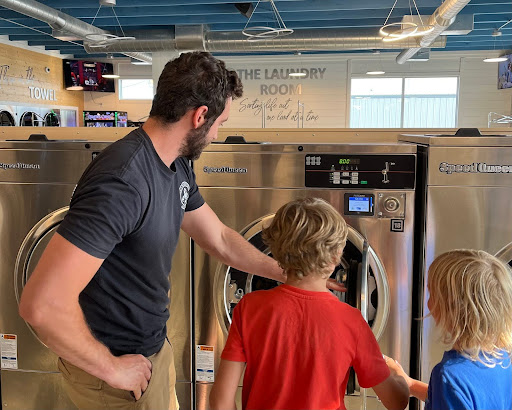
If you spend extended periods on the road, having your own washer and dryer can be a major convenience. Instead of planning trips around campground laundry facilities or laundromats, you can wash clothes whenever it’s convenient. If you primarily take weekend trips, portable laundry solutions may be a better fit than a permanent installation.
Many RV owners choose an all-in-one washer and dryer combination because it saves space while handling both washing and drying in a single unit.
Before installing one, check:
- Water requirements
- Electrical requirements
- Venting needs
- Available installation space
- Gray water capacity
Portable Dishwasher
Dishwashers aren’t a necessity for every RV, but they can make life easier for families or full-time travelers who prepare most of their meals inside the RV. Countertop and compact portable models require less space than traditional household units while still reducing cleanup after meals.
Before purchasing, think about:
- Water consumption
- Gray tank capacity
- Counter or cabinet space
- Power requirements
Instant Pot or Multi-Cooker
A multi-cooker is one of the most versatile appliances you can bring into an RV kitchen. Instead of packing several different appliances, one compact unit can replace:
- Pressure cooker
- Slow cooker
- Rice cooker
- Steamer
- Sauté pan
- Yogurt maker
Coffee Maker
For many travelers, a great morning starts with a great cup of coffee. Fortunately, there are plenty of compact options designed for smaller kitchens.
Popular choices include:
- Single-serve coffee makers
- French presses
- Pour-over brewers
- AeroPress coffee makers
- Small drip coffee makers
Mini Blender or Food Processor
If you enjoy cooking while traveling, a compact blender or food processor can save time without taking up much room. Many compact models include multiple attachments, allowing one appliance to handle several kitchen tasks.
These appliances work well for:
- Smoothies
- Sauces
- Salsa
- Chopping vegetables
- Meal prep
Tankless Water Heater
Tankless water heaters have become increasingly popular among RV owners because they provide continuous hot water without storing it in a traditional tank. For travelers who enjoy long showers or frequently wash dishes, this upgrade can improve comfort while conserving space.
Before upgrading, verify:
- Fuel source compatibility
- Installation requirements
- Water pressure recommendations
- Winterization procedures
- Shut-off safety features
RV Dehumidifier
Moisture can quickly become a problem inside an RV, especially when traveling in humid climates or during cooler weather.
Too much condensation can lead to:
- Mold
- Mildew
- Musty odors
- Water damage
- Reduced comfort
A compact dehumidifier helps maintain healthier humidity levels while protecting your RV’s interior.
Look for features such as:
- Automatic shutoff
- Quiet operation
- Easy-to-empty water reservoir
- Energy-efficient performance
Microwave-Convection Oven
If your RV has limited kitchen space, a combination microwave-convection oven can provide the functionality of two appliances in one. Unlike a standard microwave, convection cooking circulates hot air to bake and roast foods more evenly.
This makes it easier to prepare:
- Pizza
- Cookies
- Roasted vegetables
- Casseroles
- Frozen meals
Vacuum Cleaner
Keeping your RV clean is easier with the right vacuum. Whether you’re tracking in sand from the beach, dirt from hiking trails, or pet hair after a road trip, a lightweight vacuum helps keep your living space comfortable.
Popular options include:
- Cordless stick vacuums
- Handheld vacuums
- Compact canister vacuums
- Built-in central vacuum systems
Quick Comparison of Popular RV Appliances
| Appliance | Best For | Space Needed | Overall Value |
|---|---|---|---|
| RV Refrigerator | Full-time RVers | Large | Excellent |
| Washer and Dryer | Extended travel | Large | Excellent |
| Portable Dishwasher | Families | Medium | Good |
| Instant Pot | Nearly every traveler | Small | Excellent |
| Coffee Maker | Daily use | Small | Excellent |
| Mini Blender | Meal prep | Small | Very Good |
| Tankless Water Heater | Frequent camping | Medium | Excellent |
| Dehumidifier | Humid climates | Small | Excellent |
| Microwave-Convection Oven | Small kitchens | Medium | Very Good |
| Vacuum Cleaner | Every RV owner | Small | Excellent |
How to Save Money on RV Appliances
Upgrading your RV doesn’t have to happen all at once. A little planning can help you stretch your budget while still investing in appliances you’ll use for years.
Here are a few ways to save:
- Shop seasonal sales and holiday promotions.
- Compare prices across multiple retailers.
- Consider quality used appliances when appropriate.
- Replace worn parts before replacing an entire appliance.
- Read customer reviews before making a purchase.
- Buy appliances that serve multiple functions to maximize space and value.
Are RV Appliances Different from Household Appliances?
In many cases, yes. RV appliances are designed to operate safely in a moving vehicle while using less electricity, water, and space than standard household models.
Some key differences include:
- Many RV refrigerators can operate on propane or electricity.
- RV appliances are typically lighter to help reduce overall vehicle weight.
- Compact designs maximize storage and living space.
- Many appliances are built to withstand vibration during travel.
While some residential appliances can be installed in an RV, it’s important to verify that your electrical system, available space, and overall weight capacity can safely support the upgrade.
Frequently Asked Questions
What appliances do you need in an RV?
Every RV should have basic appliances such as a refrigerator, water heater, and cooking equipment. Additional appliances, like a washer and dryer, dehumidifier, or portable dishwasher, depend on your travel style and available space.
Can you use household appliances in an RV?
Some household appliances can work in an RV if your electrical system can support them. Always verify power requirements, dimensions, weight, and installation needs before replacing RV-specific appliances.
What uses the most electricity in an RV?
Air conditioners, electric water heaters, residential refrigerators, microwave ovens, and space heaters are typically among the largest electrical loads in an RV.
Are tankless water heaters worth it?
For many travelers, yes. Tankless water heaters provide continuous hot water, reduce recovery time, and eliminate the need to store hot water in a tank.
What is the best refrigerator for an RV?
The best refrigerator depends on how you camp. RV absorption refrigerators work well for boondocking because they can operate on propane, while residential compressor refrigerators often provide better cooling performance when reliable electrical power is available.
Do RV washer and dryer combo units work well?
Yes. Combination units are popular because they save space while providing the convenience of doing laundry inside your RV. Although drying cycles can take longer than residential machines, they’re a practical solution for many full-time RVers.
Choose the RV Appliances That Fit Your Adventures
The best RV appliances are the ones that make your travels easier, more comfortable, and more enjoyable. A weekend camper may only need a compact coffee maker and a multi-cooker, while someone living on the road full-time may appreciate larger upgrades like a residential refrigerator or washer and dryer.
Focus on appliances you’ll use regularly, choose models that fit your available space and power system, and invest in quality products that support the way you travel.
Ready to put your upgraded RV to good use? List your RV with RVshare to earn money when you aren’t using it, and explore more RVshare guides for expert travel tips, maintenance advice, and destination inspiration.