The average RV lasts around 20 years or 200,000 miles — whichever comes first. But that number varies significantly by class of your motorhome, usage, maintenance habits, and how the rig is stored. A well-maintained diesel Class A can push 300,000 miles; a neglected travel trailer can deteriorate in under a decade. Here’s what determines how long your RV will last and how to get the most out of it.
RV Longevity At A Glance
| RV Type | Typical Lifespan | Mileage Range | Key Longevity Factor |
| Class A Motorhome | 10–30 years | 200,000–300,000 miles | Maintenance cost; diesel vs. gas engine |
| Class B Campervan | 10–20 years | 200,000–300,000 miles | Simpler mechanics; easier to maintain |
| Class C Motorhome | 10–25 years | 200,000+ miles | Cargo capacity limits; common chassis |
| Travel Trailer / Fifth Wheel | 10–20 years | N/A | Water damage prevention; seal maintenance |
| Pop-Up Camper | 10–15 years | N/A | Canvas condition; storage care |
What Impacts RV Longevity?
No two RVs age the same way. These are the factors that matter most:
- Maintenance: An RV is part vehicle and part house, and both sides need regular attention. Skipping oil changes degrades your engine, while ignoring roof seals leads to water damage that can total the living area.
- Usage patterns: Regular use actually helps — engines and systems that sit idle for months accumulate moisture, pest damage, and seal deterioration faster than rigs that run frequently.
- Storage conditions: A rig stored outdoors in a freeze-thaw climate ages significantly faster than one stored in a covered facility. UV exposure, moisture, and temperature cycling all degrade seals, roofs, and exterior materials.
- Climate and terrain: Mountain driving and extreme heat or cold put more stress on engines and structural materials than flat-road, mild-weather use.
- Build quality: Higher-end chassis, composite sidewalls, and quality seals are going to outlast cheaper materials. The brand and model you buy matter as much as how you maintain it.
Class A Motorhome Lifespan
Class A motorhomes are the largest and most complex RVs — and with proper maintenance, among the longest-lasting. A well-maintained Class A motorhome should reach 200,000 miles, with 300,000 possible for rigs that receive consistent care and aren’t pushed beyond their limits.
One thing to note: diesel-powered Class A coaches are way more expensive to maintain than gas-powered models. Diesel engines require specialized service, and components like air dryers, fuel injectors, and turbochargers carry higher repair costs. Many mid-range Class A coaches run gas engines, which are cheaper to maintain and service at any truck shop. Know which you’re buying — the maintenance cost difference over 20 years is substantial.
Class B Motorhome Lifespan
Class B campervans are built on standard van platforms — Sprinter, Transit, or ProMaster — which gives them a mechanical advantage: they share parts and service infrastructure with millions of commercial vehicles. A Class B in good condition should reach 200,000 miles, and many well-maintained examples push past 300,000.
Their smaller footprint means fewer systems to maintain, fewer seals to fail, and less engine strain compared to a heavier Class A. Anyone with basic vehicle maintenance skills can handle most of a Class B’s fixes independently.
Class C Motorhome Lifespan
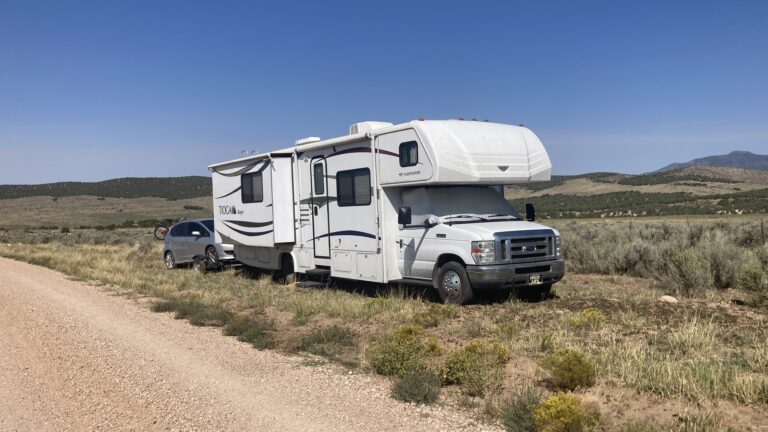
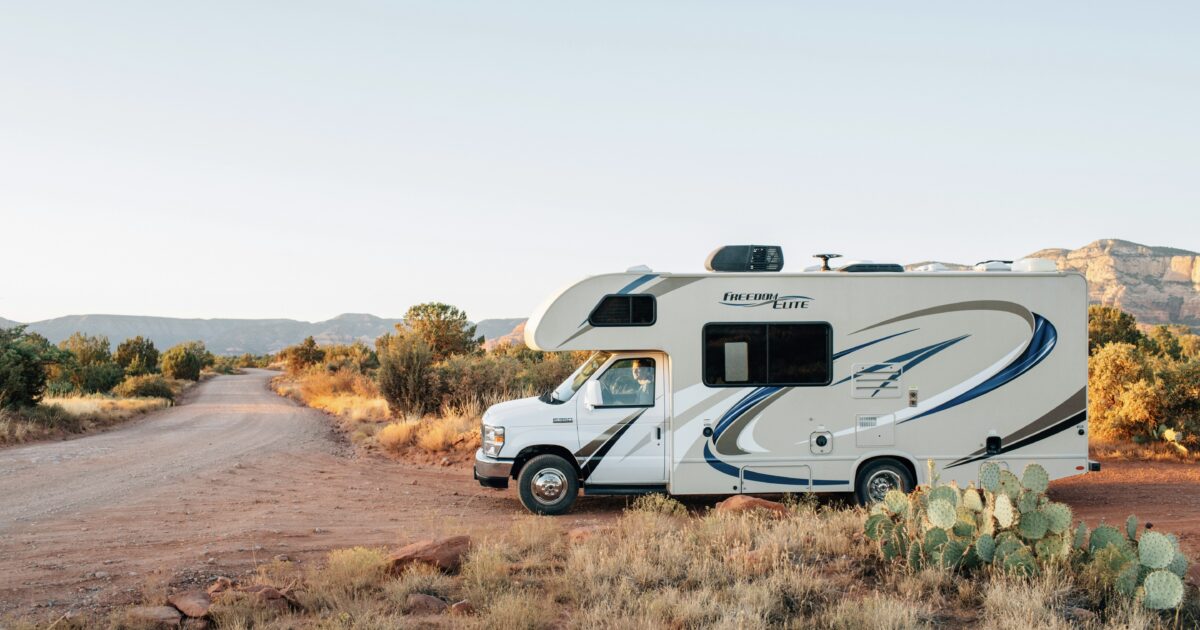
Class C motorhomes sit between Class A and Class B. They’re built on a van or truck cutaway chassis, and they typically reach 200,000+ miles with regular maintenance. The common Ford E-Series and Ram ProMaster cutaway platforms make finding parts and qualified service relatively simple.
One thing to watch with gas-powered Class C models is the cargo carrying capacity (CCC). Class C coaches built on lighter chassis have limited CCC ratings. Exceeding that limit puts chronic strain on the engine, transmission, and suspension, and can significantly shorten their lifespans. Know your rig’s CCC and stay under it.
Travel Trailer and Fifth Wheel Lifespan
Travel trailers and fifth wheels don’t have engines to worry about, which means their longevity story is almost entirely about the living structure rather than mechanical systems. A well-maintained travel trailer or fifth wheel typically lasts 10–20 years, with some quality brands — particularly Airstream — regularly exceeding 30 years.
The primary threat to the longevity of towables is water damage. A failed roof seal, a leaking window gasket, or a deteriorated slide-out seal can allow water intrusion that quietly destroys walls, floors, and substructure over months. Regular roof inspection and resealing is the single most impactful maintenance task for any towable. Catch problems early, and they might cost $30 in sealant; catch them late, and they could cost thousands in structural repairs.
Should I Consider Mileage When Purchasing a Used RV?
Honestly, it’s impossible to advise someone on whether or not to buy a used RV based purely on how many miles it has. A 50,000-mile RV that spent five years sitting unused in a field can be in worse shape than a 150,000-mile rig that was driven regularly and well-maintained. Engines left idle accumulate moisture, gasket deterioration, and rodent damage in ways that accumulated mileage doesn’t reflect.
Be particularly cautious of older rigs with unusually low mileage. Low miles on a 15-year-old Class A usually means it sat unused for long stretches — which often means less maintenance, failed seals, and systems that haven’t been cycled in years.
What to evaluate on any used RV purchase:
- Full maintenance records
- Evidence of regular roof inspection and resealing
- Soft spots in floors or walls, which indicate water damage
- Condition of slide-out seals and mechanisms
- Engine and transmission service history
- Professional inspector’s report
Never buy a used RV without a professional inspection. A $200–$400 inspector fee is cheap insurance against a five-figure mistake.
Vehicle Maintenance to Extend Your RV Lifespan
Just like with your car or other vehicle, you need to do routine maintenance on your motorhome. This will keep the engine, transmission, brakes, and other systems in tip-top shape so the RV can keep running and will continue taking you wherever you wish to roam.
You’ll want to check your owner’s manual so you know when to schedule regular check-ups for the following:
- Oil changes
- Tire air pressure checks, rotation, and replacement when needed
- Brake pads checked, changed, or replaced when needed
- Engine cleaning
- Fluid replacement
- Re-alignment
- Fuel injections
Living Area Maintenance to Extend RV Lifespan
You’ll also need to check the areas of your motorhome dedicated to your living space. Here are a few things you’ll want to make sure are in good working condition:
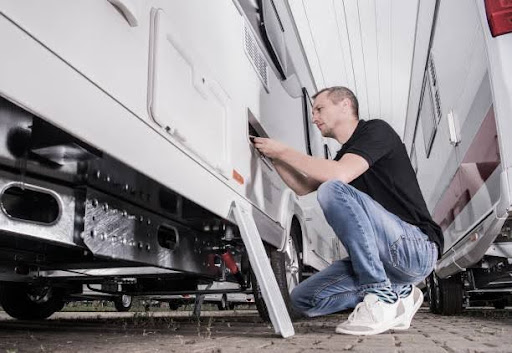
- Inspect and reseal the roof at least once a year — more frequently if the rig travels in harsh conditions. Keep a roof patch kit on board for emergencies.
- Lubricate slide-outs regularly to keep the mechanisms running smoothly.
- Apply UV protectant to rubber weather sealing around slide-outs to prevent cracking and premature failure.
- Use a surge guard between your rig and shore power to protect appliances from power spikes.
- Empty the black tank when it’s at least 3/4 full. Use RV-specific toilet chemicals every week or two to break down waste and control odor.
- Dry the shower after each use to prevent mildew. Check for cracks or leaks around shower pans and sink fixtures regularly — fix them immediately before they spread.
- Wash and wax the exterior regularly to protect painted surfaces and fiberglass from UV damage and oxidation.
- Fix broken components immediately: Minor issues become major ones when left alone on a rig that flexes, vibrates, and encounters moisture constantly.
Preparing Your for RV Storage
An RV spends a significant portion of its life in storage. Proper preparation before any storage period — not just winter — determines how well it comes out on the other side.
Year-round storage prep:
- Disconnect the battery and store it somewhere above freezing. A trickle charger can extend your battery life considerably.
- Inspect all seals and reseal any gaps or cracks before leaving the rig.
- Remove all food and use pest repellent to discourage rodents and insects.
- Cover the rig if storing outdoors to reduce UV and moisture exposure.
Winter-specific storage prep:
- Drain all tanks and use low-point drains to empty water lines completely.
- Add RV antifreeze to all tanks, lines, and drains — including the toilet — to prevent freeze damage.
Key Takeaways
- The average RV lasts around 20 years or 200,000 miles — but that range varies significantly by class, maintenance habits, usage patterns, and storage conditions.
- Class B campervans offer the best longevity relative to cost, thanks to simpler mechanics and standard van chassis shared with millions of commercial vehicles. Diesel Class A coaches can match that mileage, but cost significantly more to maintain over time.
- Water damage is the single most common cause of RV deterioration — regular roof inspection and resealing is the most impactful maintenance habit for any RV owner, especially towables.
- Don’t judge a used RV by mileage alone. A high-mileage rig with clean records is often a better buy than a low-mileage one that sat unused for years — idle rigs accumulate moisture, seal failures, and system deterioration that odometer readings don’t reflect.
- Never buy a used RV without a professional inspection. A $200–$400 inspector fee is cheap protection against a five-figure mistake.
- For Class C owners, staying under your rig’s cargo-carrying capacity (CCC) rating is critical — chronic overloading puts serious strain on the engine, transmission, and suspension and can significantly shorten their lifespans.
- Proper storage prep matters as much as active maintenance — disconnecting the battery, resealing before storage, removing food, and winterizing water lines all directly affect how well the rig comes out on the other side.
- Regular use is actually good for an RV — engines and systems that sit idle accumulate damage faster than those that run consistently, which means renting out your rig between trips can support its long-term health.
Frequently Asked Questions About RV Lifespan
The typical RV lasts around 20 years or 200,000 miles with reasonable maintenance. With diligent care, many Class A and Class B rigs push past 300,000 miles. Travel trailers and fifth wheels typically last 10–20 years, with premium brands like Airstream regularly exceeding that.
Class B campervans tend to have the best longevity relative to their cost and complexity. Their simpler mechanical systems, lighter weight, and standard van chassis make them easier and cheaper to maintain over a long life. Diesel Class A coaches can also achieve impressive longevity, but require much more investment to maintain.
High mileage isn’t necessarily bad for a used RV. Mileage should be evaluated alongside maintenance records, condition of seals and structure, and age. A 150,000-mile RV with clean records is often a better buy than a 50,000-mile RV that spent years sitting unused.
Water damage is the most common cause of RV deterioration. Failed roof seals, deteriorating window gaskets, and leaking slide-out seals allow moisture intrusion that destroys walls, floors, and substructure over time. Regular inspection and resealing is the most important maintenance habit for any RV owner.
Renting out your RV doesn’t significantly shorten its lifespan — and in some ways, it helps. Regular use keeps engines and systems cycled, which is better for long-term health than extended idle storage. RVs that sit unused for months tend to develop seal failures, moisture issues, and battery deterioration faster than those in active use.
Costs vary widely by class and age. Budget owners often estimate 1–2% of the RV’s purchase price per year in maintenance. For a diesel Class A, annual maintenance can easily run $2,000–$5,000 or more. For a Class B or gas Class C, $500–$2,000 is more typical for a well-maintained rig.
Want to put your RV to work while it’s not in use? You can list your RV on RVshare and earn rental income between your own trips. Regular use is good for your rig, and rentals offset the cost of keeping it well-maintained.
And if you’re looking to rent an RV before buying, you can browse RVshare’s full selection and try the class that fits your lifestyle before committing.