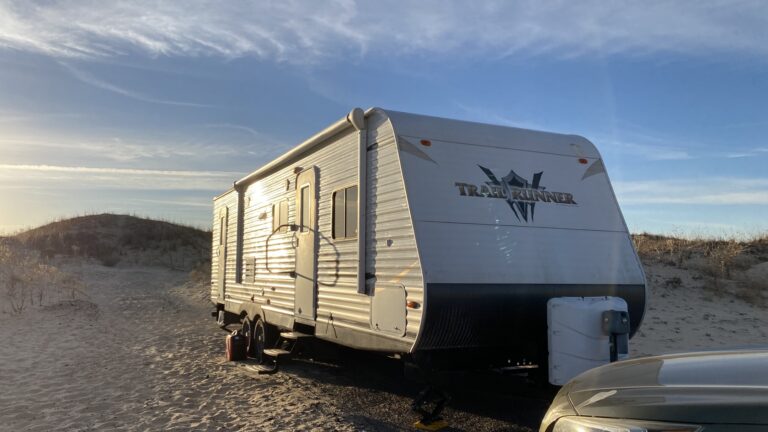
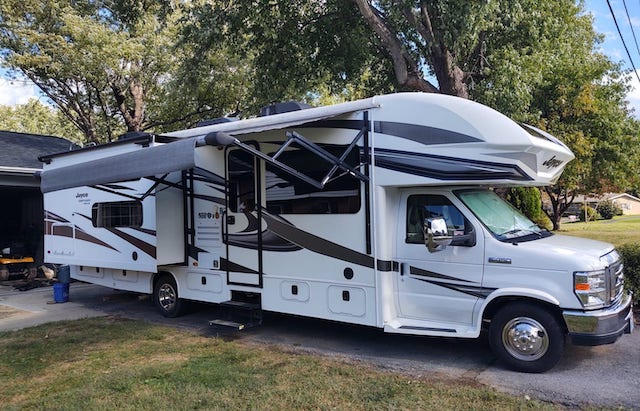
Yellowstone National Park is a gorgeous place anytime of year, but it is especially stunning in winter. During this time, snow covers the ground, creating a magical feel and watching bison move through the park’s winter scenery is especially amazing. There are many interesting things to see and do in Yellowstone in winter, and we’re certain you could fill a whole trip. That said, it is important to know that access to the park is different in winter than it is in summer and generally speaking, it is not possible to drive an RV through the park’s interior during the cold season.
Is Yellowstone National Park Worth Visiting in Winter?
Yellowstone National Park is absolutely worth visiting in winter if you are at all interested in low crowd levels, pretty winter scenery, unique wildlife watching opportunities, or winter outdoor fun. That said, there are some drawbacks to visiting during this time of year as well.
Why Winter Is a Great Time to Visit Yellowstone
- Snow-covered landscapes and geothermal contrasts.
- Wildlife viewing opportunities, particularly along accessible northern areas.
- Yellowstone snowcoach tours and snowmobile experiences.
- A quieter, distinctly different park experience.
What Are the Downsides of Visiting Yellowstone in Winter?
- Extensive Yellowstone winter road closures to regular vehicles.
- Extreme cold and heavy snow.
- Limited lodging, dining, and camping options.
- Greater dependence on advance reservations and organized transportation.
Because driving a personal vehicle through the park is often impossible in winter, cold-weather trips to Yellowstone are best for those who prioritize wildlife and guided experiences over independent road trips.
What Is Yellowstone National Park Like in Winter?
Yellowstone sees some extreme winter weather that you will definitely want to be prepared for going in. There is usually snow on the ground throughout the winter season and storms do move through the park, often making travel difficult or impossible.
How Cold Does Yellowstone Get in Winter?
Temperatures vary by elevation, location, and storm conditions, but cold weather is pretty much guaranteed during a winter visit to Yellowstone. Nighttime lows are frequently well below freezing, sometimes dropping as low as -20 degrees Fahrenheit. Meanwhile, daytime temperatures typically hover around 20 degrees Fahrenheit.
Visiting Yellowstone in December, January, or February
| Month | What visitors can expect |
| December | Winter operations begin, snow-covered landscapes emerge, and holiday demand increases. Early-season conditions can vary, so check road and tour availability before traveling. |
| January | Deep winter conditions, cold temperatures, and excellent opportunities to experience Yellowstone’s snowy scenery. Wildlife viewing is possible, though animals may be harder to spot in some conditions. |
| February | Continued cold weather, guided winter tours, snowy landscapes, and opportunities to observe wildlife in its winter habitat. |
What is the best month to visit Yellowstone in winter?
Yellowstone in February and January offers gorgeous winter scenery and winter weather fun. January offers a classic midwinter experience, while February provides similar conditions with slightly more daylight, which can be nice for outdoor excursions. December can be a good option, but early-season snow and winter transportation schedules can be less predictable.
What Are the Best Things to Do in Yellowstone in Winter?
As mentioned above, there are plenty of things to see and do in Yellowstone in winter. Here are some of our favorite Yellowstone winter activities.
Watch Wildlife in Lamar Valley
Lamar Valley is one of Yellowstone National Park’s best-known wildlife-viewing areas. This spot is especially great for seeing bison, elk, and wolves. These animals are out during the winter months and are more visible than usual against the snowy backdrop. Be sure to bring binoculars for Yellowstone winter wildlife watching so you can observe the animals from a distance and avoid approaching or feeding animals.
Take a Snowcoach Tour to Old Faithful
We absolutely loved seeing Old Faithful! Unfortunately, you won’t be able to drive your own vehicle there during the winter season. That said, you can still see the geyser if you travel to it via snowcoach. These super cool vehicles can travel safely, even over snow covered routes and guided snowcoach tours are extra fun because they include unique opportunities to learn about the park.
Keep in mind that tours do book up, so you will want to book in advance. It’s also important to dress for the weather.
Explore Yellowstone’s Snow-Covered Geothermal Landscapes
Yellowstone’s geothermal areas are especially gorgeous in winter. Because of the cold, clouds of steam rise above steaming pools and colorful hot springs, even while the ground surrounding the hot water is completely covered in snow. This contrast is bizarre and creates an otherworldly experience that is a bit hard to describe, but is well worth seeing.
Try Cross-Country Skiing or Snowshoeing
Looking for a quieter way to experience Yellowstone? Consider snowshoeing or cross-country skiing. Both activities allows you to escape crowds and wander snowy forests and open meadows. The peaceful landscapes are dreamlike and the views are incredible.
Make sure to choose a route that matches your fitness level and experience, and check trail conditions before setting out. Bring warm, moisture-wicking layers, waterproof footwear, navigation tools, food, water, and emergency supplies.
Can You Visit Yellowstone National Park in Winter in an RV?
You can travel to the Yellowstone region in an RV during winter. That said, you will want to plan well to ensure your trip is a successful one.
What Are Yellowstone’s Winter Road Conditions for RVs?
| Route or area | Typical winter access | RV considerations |
| North Entrance via Gardiner | Generally open year-round to regular vehicles, weather permitting. | The primary entrance for RVs visiting Yellowstone in winter. Check road conditions and restrictions before departure. |
| Mammoth Hot Springs to Northeast Entrance | Generally open year-round to regular vehicles, weather permitting. | Provides access to Mammoth Hot Springs, Lamar Valley, and the Northeast Entrance. Be prepared for snow, ice, and temporary closures. |
| West Entrance to park interior | Closed to regular vehicles during the winter season, typically beginning November 1. | Regular RVs cannot drive into the park interior via this route. Authorized oversnow transportation typically operates seasonally from mid-December to mid-March. |
| South Entrance to park interior | Closed to regular vehicles during the winter season. | No regular RV access to the park interior. Oversnow transportation may be available during the winter operating season. |
| East Entrance to park interior | Closed to regular vehicles during the winter season. | Regular RVs cannot access the park interior through this entrance in winter. Oversnow access depends on seasonal operations. |
| Cooke City and surrounding routes | The road from Gardiner through Yellowstone to Cooke City is generally open year-round, weather permitting. Other nearby highways may close seasonally. | RVs can generally reach Cooke City via the Northeast Entrance, but do not assume roads beyond town, including Beartooth Highway, are open to wheeled vehicles in winter. |
Important RV planning note: Winter access does not guarantee that every RV can safely navigate the route. Check current road conditions, vehicle restrictions, and weather forecasts before traveling. Also, distinguish between roads open to regular vehicles and roads open only to snowcoaches or snowmobiles. The NPS lists projected winter travel dates, but schedules and closures can change with conditions.
Can You Drive an RV to Old Faithful in Winter?
Can you drive through Yellowstone in winter? Well, as we stated before, personal vehicles cannot typically travel to Old faithful during the winter months. Instead, visitors will need to book authorized snowcoach or snowmobile transportation. There are a few different companies that offer such tours including Yellowstone Vacations and Yellowstone National Park Lodges.
Where Can You Camp in an RV Near Yellowstone in Winter?
Not sure where you can go to experience Yellowstone winter camping? The table below will help you narrow your options.
| Campground or area | Winter availability | RV considerations |
| Mammoth Campground | Open year-round, though some sites may be closed seasonally. | Yellowstone’s only year-round campground. No electrical hookups or dump station; winter vehicle length is limited to 30 feet. Check current conditions and reservation requirements. |
| Gardiner-area RV parks | Some properties operate year-round; others close seasonally. | Confirm winter opening dates, electrical hookups, water availability, sewer service, and whether facilities are winterized. |
| West Yellowstone RV parks | Many operate seasonally, with limited winter options. | Verify winter availability, road access, hookups, and freeze protection before booking. Regular RVs cannot drive into the park interior through the West Entrance during winter. |
| Livingston-area campgrounds | Availability varies by property; some offer winter RV stays or extended-stay arrangements. | Confirm nightly versus monthly availability, hookups, and driving time to Yellowstone’s North Entrance. For example, Livingston/Paradise Valley KOA advertises winter extended stays, while other local campgrounds close seasonally. |
Note: It seems that Yellowstone’s campground operations have changed over time. While Mammoth Campground is currently listed as being open year-round, this could change, especially if extreme weather moves through the area. It is important to check the campground’s current operating status on the NPS website.
It is also important to understand that Mammoth Campground has a 30-foot RV size limit and does not offer any sort of hookups. If you need access to electricity and water, it’s better to look for full hookup campgrounds outside of the park.
How Do You Prepare an RV for Yellowstone’s Extreme Winter Conditions?
Because the weather is so cold in the park through the winter months, Yellowstone RV camping in winter requires more preparation than a typical RV trip. Before booking an RV, confirm that it is well-equipped for the job.
- Confirm winter capability and owner approval. Choose an RV specifically equipped for freezing temperatures, and verify with the owner that winter use in the Yellowstone region is permitted.
- Protect plumbing and holding tanks. Make sure the rig includes insulated or heated tanks. You may also want to use a heated hose if connecting to a water source. Ask whether onboard water can safely be used in freezing weather.
- Check heating capacity and fuel needs. Check that the furnace can keep things warm even in extreme cold conditions. Be sure you can provide the electricity needed to run the furnace for the duration of the trip and have a plan for acquiring more propane should you run out.
- Prepare batteries for cold weather. Low temperatures reduce battery performance. If you aren’t connected to shore power, you will need battery power to run the furnace. For this reason, it is crucial that you check battery capacity, charging options, and generator restrictions where applicable.
- Plan around limited services. Keep in mind that many campgrounds shut the water off for the winter season, meaning no water or sewer hookups. Confirm available amenities before you book.
- Review winter road restrictions and emergency plans. Pay close attention to road conditions, weather forecasts,and route restrictions, Make a plan for fuel stops. Carry emergency supplies and allow extra time for delays.
How to Plan a Safe and Enjoyable Yellowstone Winter Trip
Check Road Closures and Winter Transportation Schedules
As mentioned above, many park roads close to regular vehicles for a period of time during the winter season. Authorized snowcoaches and snowmobiles are available during this time, but operate on designated routes during a defined seasonal window. This window typically begins in mid-December and continues into mid-March, but dates and access depend on weather, snow conditions, and park management. Make sure to check the National Park Service’s current road conditions and transportation schedules before traveling.
Dress for Extreme Cold
Obviously, you will want to dress for the cold. Wear insulated layers, a warm winter coat, waterproof winter boots, gloves, and a hat that covers your ears. Pack extra layers and insulated containers with warm drinks.
Reserve Winter Tours and Lodging Early
Book snowcoach tours, accommodations, and any necessary transportation well in advance. This is especially important during the holiday season when the park can see a lot of visitors. Confirm that the campground you choose offers the amenities you require, even during the winter months, and learn about the campground’s cancellation policies. It’s also a good idea to identify backup activities in case winter weather forces a change of plan.
Is Winter the Right Time for Your Yellowstone RV Trip?
In our opinion, Yellowstone is an excellent place to go for a winter adventure if you are looking for amazing scenery, super cool wildlife watching experiences, and fun winter activities. That said, it isn’t your typical RV road trip in that you will have to plan carefully in order to stay safe and comfortable in the cold and you will need to arrange transportation through the park beforehand.
Think a winter Yellowstone RV trip is right for you? Book the perfect RV today.
Frequently Asked Questions About Yellowstone in Winter
Yellowstone National Park is open in December, and this can be a magical time to visit. That said, it is important to note that many park roads close to personal vehicles sometime in November and authorized snowcoaches and snowmobiles don’t usually start offering tours until mid-December. Make sure you check on road conditions and available tour dates before you plan your trip.
As stated earlier, many park roads are closed to personal vehicles during the winter season. That said, you can drive your own vehicle on the road connecting the North and Northeast entrances, which passes through Mammoth Hot Springs and Lamar Valley. If you want to travel elsewhere in the park, you will need to book a snowcoach or snowmobile tour.
While you won’t be able to reach Old Faithful by car during the winter, the geyser is accessible by guided snowmobile or snowcoach tour throughout the cold season. It is a pretty spectacular thing to see any time of year, but is especially neat during the winter when steam fills the air. Just make sure to book your transportation to the geyser in advance!
There are several offsite RV parks near Yellowstone that are open all year round. As far as in-park campgrounds go, you will want to look into Mammoth Campground, which is usually open year-round. It is important to note that sites and services are limited during the winter months, so make sure you do your research before you book and book well in advance.
Generally speaking, you will want to plan a 2-4 day trip during the wintertime. This gives you enough time to explore Mammoth Hot Springs, go wildlife watching in Lamar Valley, take a guided snowcoach tour to see highlights, and go snowshoeing or cross-country skiing.