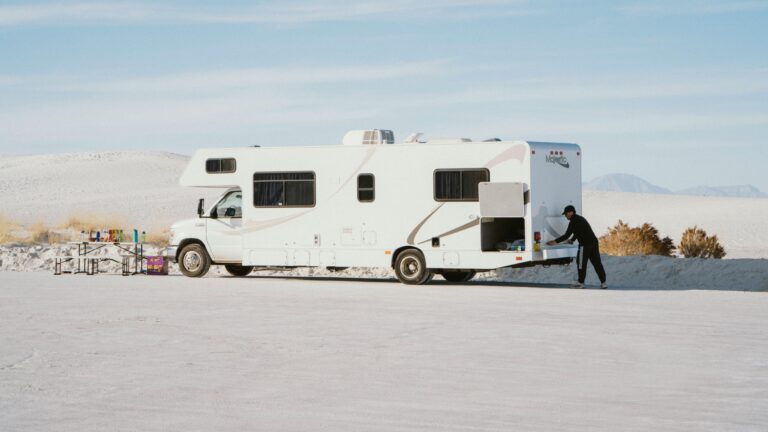
Living in an RV full time is a freeing experience. You get the wonderful ability to cruise the state of Rhode Island, with its historic cities and beautiful coastline. This guide explores everything you need to know about how to manage full-time RV living in Rhode Island in 2026, including rules and regulations, tips, and recommendations.
Please note that this is not an official source of information, and rules and regulations may have changed since the writing of this article. Please always check with your local authorities before making any long-term decisions and if you are unsure of your local laws.
Can You Live in an RV Full Time in Rhode Island?
Yes, you can live full-time in an RV in Rhode Island in some cases. Rhode Island allows RV use primarily through campgrounds and seasonal stays. Living full-time in an RV on private property is generally restricted by local zoning laws. Despite being the smallest state, Rhode Island offers plenty of rural areas and scenic beaches, making it an ideal spot to set down temporary roots in your RV. Known as the Ocean State, Rhode Island features RV parks and campgrounds equipped with essential amenities like electrical hookups and potable water, providing a comfortable and convenient setup for RV living.
Once you have decided to pursue the lifestyle of RV living full time in Rhode Island, you will want to make a detailed plan and preparation. While summers are pleasant, winters can be very cold and wet. You will need a plan for staying warm and protected from the elements. Alternatively, you can move south for a few months and return in the spring. You will want to plan ahead for your time in Rhode Island and always check with local government agencies for the ordinances regarding RV living.
Rules and Regulations for RVing in Rhode Island
When considering living full-time in an RV in Rhode Island, you are going to have to familiarize yourself with the local rules and regulations. In this section, we’ll cover some of the most important rules and regulations to be aware of while spending time in the state in your RV.
RV Parking Laws
RV parking in Rhode Island is relatively relaxed. You can park your RV in designated RV and motorhome parks and campgrounds. There are state parks that allow seasonal RV camping. You can also park your RV in your driveway as a temporary or secondary residence, depending on local zoning laws. The state mandates that you have a primary address in order to establish residency in the state. You should research local city and town regulations regarding how long you can park your RV.
Trailer Towing Laws
All trailers must be registered with the Rhode Island DMV. A trailer must have taillights, brake lights, turn signals, and reflectors. When towing a trailer, the state requires you to use safety chains in addition to a standard hitch. There are also size and weight restrictions. Your motor vehicle insurance has to cover the trailer, but you don’t need a separate policy for the trailer. The Rhode Island Department of State and the Division of Motor Vehicles websites lay out the rules and regulations regarding trailers and towing.
Boondocking Regulations
Boondocking in Rhode Island isn’t really feasible due to the lack of federal recreation lands, few state wildlife preserves, and the density of the population. If you want to boondock in Rhode Island, it is most likely going to happen on privately owned rural properties that welcome campers or urban driveways that offer moochdocking to respectful guests. There are a few rest stops and welcome centers along highways that allow you to take a break and catch up on some much-needed sleep. The laws are fairly lenient when it comes to parking in a rest area, though you can’t live in one.
RV Insurance Requirements
You are required to carry liability coverage under state motor vehicle laws if you drive an RV in Rhode Island. This insurance can pay for damages or injuries you cause on the road. State limits for RV insurance in Rhode Island include:
- $25,000 bodily injury per person
- $50,000 bodily injury per accident
- $25,000 property damage per accident
Travel trailer insurance isn’t mandated. However, your lender may ask that you insure the trailer or camper if you financed the purchase.
Rules for Camping on Public Land
Rhode Island does not have federal recreation lands managed by the Bureau of Land Management. But the state does have rules in place for camping at state parks, which are governed by the Department of Environmental Management. These rules may vary by park, but most parks limit stays to 14 days during peak season.
Full-time RVing in Providence
Providence is a densely populated and vibrant city for nine months of the year due to its numerous colleges. There are plenty of campgrounds just outside the city limits that afford you convenient access to the city center. It is a cultural hub with museums and splendid river access. The Providence train station allows for convenient access to Boston for a day trip.
RVing in Providence FAQs
For long-term stays, your RV must be parked at a campground, RV park, or private property.
Rhode Island has specific laws governing RV residency. Zoning in Providence requires individuals to have a primary residence, which cannot be an RV. However, RVs may be used as secondary or temporary residences in Providence if they follow certain guidelines. Be sure to check with the local city government for details on these requirements.
Full-time RVing in Newport
Newport is a coastal town perched above the ocean on cliffs. It is home to some of the grandest homes on the East Coast. It is an excellent place to stay in your RV during the summer. There are several campgrounds and RV parks that make it easy to enjoy the town and the ocean. It is a short drive to other great Rhode Island towns and the city of Providence.
RVing in Newport FAQs
Your RV must be parked at a campground, RV park, or on private property for long-term stays.
Rhode Island has specific laws and regulations regarding RV residency. Zoning laws in Newport require individuals to have a primary residence, which cannot be an RV, in order to establish residency. RVs can be used as a secondary or temporary residence in Newport, provided that they comply with certain guidelines. Check with the Newport town administrators.
How to Live in an RV Full Time
Many people find full-time RV living gives them more freedom to explore and enjoy life. This works well if you are retired or can work remotely. Once you have decided to take to the road in an RV, you need to do some planning to make a smooth transition to this lifestyle.
For example, you will need a permanent address for things like voting in general elections and maintaining insurance. This can often be the address of a family member. Going paperless for bill paying is another helpful way to avoid missing mail. When planning your destinations, it’s important to consider internet access. Before setting off, create a detailed budget that factors in expenses like campsite fees, fuel, and health insurance.
Types of Properties You Can Live on Full Time in an RV
Here are the types of properties you can live on full time in an RV:
- Extended Stay Campgrounds: Due to the harsher winters in Rhode Island, many campgrounds are closed from November through April in the state. While a few stay open all year, mostly you will find that you can rent a long-term campsite for an entire season and then you’ll need to relocate for the winter.
- Mobile Home Communities: A very few mobile home communities in the state have spaces that are designated for RVs that allow full-time living. You will have to check the rules for each.
- Private property: In many municipalities, RVs may be parked on private property for storage, but occupancy is often prohibited or strictly limited by zoning laws. Again, check with local governments regarding rules and any required permits.
RVing in Rhode Island FAQs
It isn’t unusual to need to pull over and rest when making a long trip in an RV. These rest areas don’t have too many rules, although you can’t really camp here. They’re intended for short rests before continuing your journey.
If you intend to reside in Rhode Island while living in an RV, you must register your vehicle and obtain a valid driver’s license. The state requires RV owners to register their vehicles within 30 days of establishing residency.
An RV is considered a temporary or secondary residence when parked on private property in Rhode Island. You can use it to live in but you must maintain a permanent address that is not an RV or motor home. Check with the governing agency for regulations and permit applications.
Yes, you can park your RV on your property in Rhode Island. Most cities in Rhode Island don’t have strict regulations regarding RV driveway parking. You should still check out the local city regulations regarding duration and limits before parking your RV.
Rhode Island is fairly strict in that an RV cannot be a permanent residence on a parcel of land. There are a handful of states that do allow this. It isn’t considered a permanent home by many local zoning laws if it has wheels and can move.
Summers are pleasant in Rhode Island. Winters are cold and wet and can present a challenge for RV parks. These facilities generally turn off water supplies and electrical hookups during cold weather, and most parks don’t stay open in winter. Some parks have restrictions on the number of days you can stay at a campsite, so it is best to check with the RV park.
If you love exploring, RV living full time in the beautiful state of Rhode Island may be for you. Rhode Island has much to offer with its proximity to Boston and Cape Cod, miles of stunning coastline, and an excess of cultural and educational attractions. Consider renting an RV in Rhode Island first to get a feel for this lifestyle and to help you learn how to plan an RV trip. Check out RV camping in the state to figure out your destinations. Before committing to full-time RV living in Rhode Island, familiarize yourself with the rules and regulations of the areas you are considering so you can hit the road and enjoy the ride!