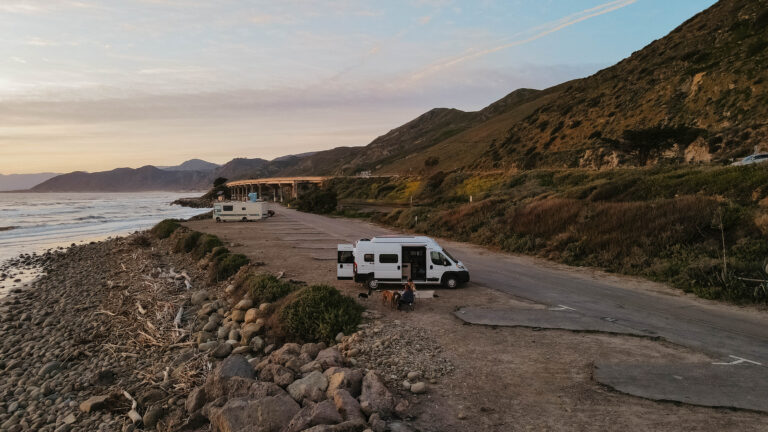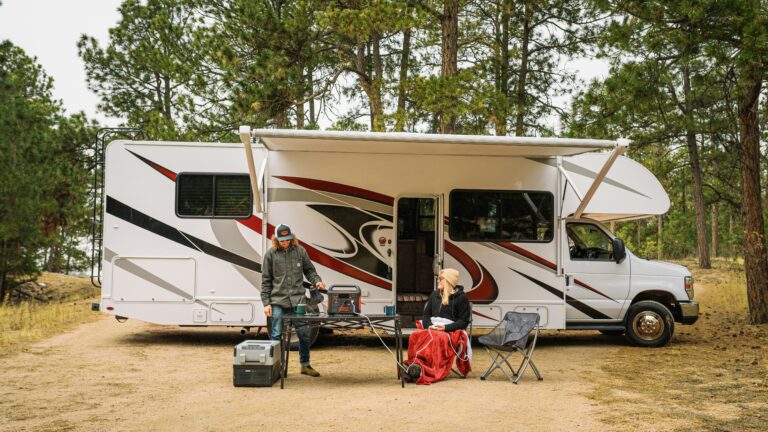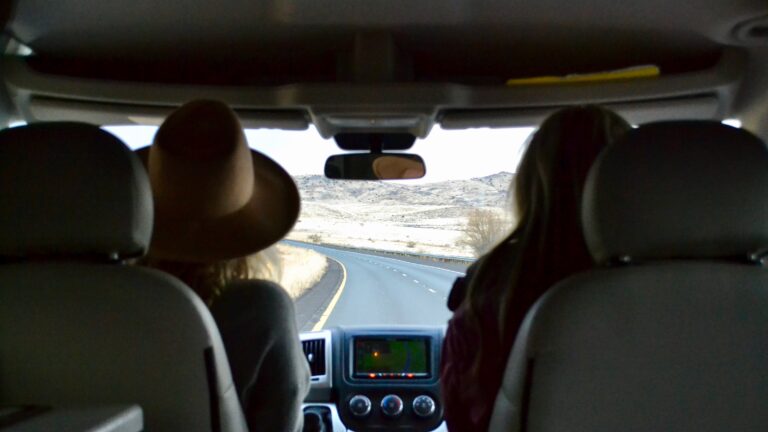
Class B RVs are compact, fuel-efficient motorhomes built on van chassis that offer the perfect balance of maneuverability and comfort for solo adventurers, couples, and small families who want to explore remote destinations without sacrificing essential amenities. Also known as camper vans, sleeper vans, or sprinter vans, these 16-19 foot vehicles deliver 10-25 miles per gallon (far better than Class A or Class C motorhomes), can fit into standard parking spaces and navigate narrow mountain roads that larger RVs can’t access, and come equipped with surprisingly luxurious features like full kitchenettes, wet bathrooms with showers, generators, and high-end leather upholstery despite their compact size.
Surprisingly, only about 4% of RVs booked with RVshare in 2026 were Class B campervans! We think a #vanlife road trip should be on everyone’s bucket list.
Class B RV Specifications At A Glance
| Category | Class B Motorhomes | Class B+ (“Super B”) |
| Size | 16-19 feet | 19-24 feet with extended ceilings |
| Weight | 6,000 to 8,000 pounds | 8,000 to 10,000 pounds |
| Mileage | 10-25 miles per gallon | 12-18 miles per gallon |
| Storage | Limited to moderate | Moderate |
| Sleeping Capability | 2-4 adults | Up to 6 adults |
| Extra Amenities | Slide-outs, wet/dry bathrooms, kitchenettes, generators | Additional headroom, storage, living space |
| Price Range | $40,000-$100,000+ new | $60,000-$150,000+ new |
Whether you’re considering purchasing a Class B RV, renting one to test the camper van lifestyle before buying, or simply curious about what makes these versatile vehicles different from Class A and Class C motorhomes, this comprehensive guide covers everything you need to know. You’ll learn about Class B specifications, amenities, popular makes and models, rental tips, and why these low-profile rigs are ideal for boondocking and accessing wilderness areas that larger motorhomes and travel trailers simply can’t reach.
What Are Class B RVs?
Class B RVs are motorhomes built on van chassis that pack full RV amenities into compact 16-19 foot vehicles. It’s a low-profile way to bring the comforts of home on the road while maintaining the drivability and fuel efficiency of a standard van. These vehicles can reach remote wilderness areas that larger rigs can’t access. They can also fit into regular parking spaces at grocery stores and attractions, don’t require towing a separate vehicle for day trips since you can use the RV itself for exploring, and deliver significantly better gas mileage compared to larger motorhomes.
Class B RVs are sometimes called camper vans, sleeper vans, or sprinter vans (though “sprinter” is technically a van using a Mercedes-Benz Sprinter chassis). Despite their compact exterior, these vans are surprisingly spacious inside and can include amenities like full kitchenettes, toilets, showers, generators, solar capabilities, and sleeping accommodations for 2-4 adults.
A sub-class known as “Super B” or “B+” is a hybrid between a Class B and Class C motorhome. These “B+” vehicles offer more headroom, storage, and living space while still keeping most benefits of a small RV including fuel efficiency and ease of use. B+ models can sleep as many as six adults.
Why Choose a Class B RV?
Travelers who drive Class B RVs love that these vehicles are easy to drive and can go pretty much anywhere a normal van can go. Here are the key advantages:
- Superior maneuverability. Class Bs can wind their way into remote areas that bigger motorhomes and trailers can’t manage, access narrow forest service roads, fit into standard parking spaces, and navigate tight city streets with ease.
- No tow vehicle needed. You won’t need to tow a vehicle behind you because you can use your Class B camper for day trips and bring it back to camp for the night, saving thousands in towing equipment and vehicle costs.
- Easier to drive. It’s easier to see and navigate your vehicle when driving a Class B camper compared to larger RVs. A small Class B is not nearly as challenging to drive in windy conditions, and most drivers feel comfortable behind the wheel within hours rather than days.
- Better fuel efficiency. You’ll get much better gas mileage in a campervan (10-25 mpg) compared to Class A motorhomes (6-10 mpg) or Class C motorhomes (8-14 mpg), potentially saving thousands of dollars per year in fuel costs.
- Ideal for boondocking. These rigs are well suited to dispersed camping since they’re small and easy to maneuver into wilderness areas. They’re also easy to wire for solar since they don’t need to draw very much power compared to larger motorhomes.
- Stealth camping capabilities. Many Class B RVs look like regular work vans from the outside, allowing for discreet overnight parking in urban areas where larger RVs would stand out.
Class B Camper Amenities
Unlike Class A and Class C rigs, Class Bs are able to pack a lot of creature comforts into a small space. Although their size is pretty consistent, Class B RVs come with a wide variety of different features depending on manufacturer and price point.
Standard Features
Extended ceilings. Some Class B RVs have extended ceilings (also called “pop-tops” or “high roofs”) so you can stand up straight while inside the rig, typically offering 6-7 feet of interior height.
Multi-function spaces. Because space is at a premium, almost everything inside your Class B motorhome will serve at least two functions. Your sleeping area may be a couch during the day, and your dining area may fold out into a bed.
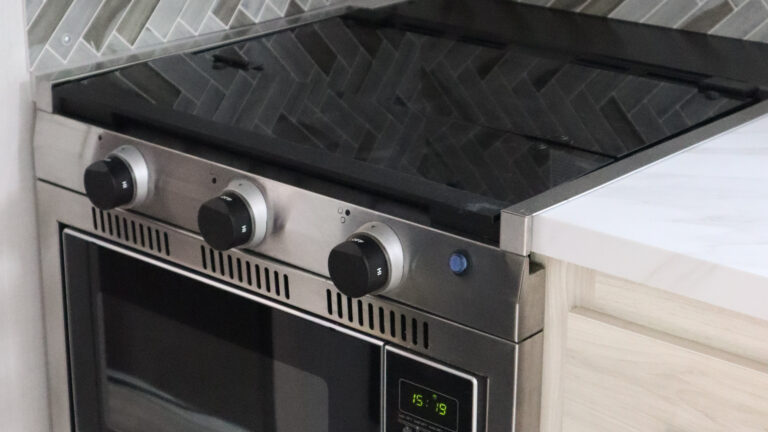
Kitchenette facilities. Many models come complete with fully-functioning kitchenettes including small refrigerators (often 12V compressor models), two-burner cooktops, microwaves, and sinks. You’re unlikely to find one equipped with a full-sized refrigerator, oven, or full stove due to space constraints.
Bathroom facilities. Despite their small size, Class B RVs often feature toilets and even showers. Showers may be built into a multi-use wet bathroom, which means your toilet and shower share a space. Some models have separate dry bathrooms with cassette toilets.
Sleeping accommodations. Regular Class Bs often have sleeping spaces for as many as four adults through convertible dinettes, fold-down beds, or rear bed platforms. B+ or “Super B”s may sleep as many as six using overhead cab bunks or additional convertible spaces.
Premium Features (High-End Models)
High-end Class Bs come equipped with luxury amenities and off-grid capabilities:
- Fresh- and waste-water holding tanks (typically 20-30 gallons fresh, 20-30 gallons gray/black)
- Onboard generators (often 2,000-3,000-watt models)
- Slide-outs to expand living space when parked
- All-electric features, including induction cooktops, electric heat, and lithium battery systems
- High-quality sound systems with Bluetooth connectivity
- Genuine leather upholstery and cushy bucket seats
- Modern chrome kitchen features and high-end cabinetry
- Solar panel systems for extended boondocking
- Diesel heaters for cold-weather camping
- Air conditioning (typically roof-mounted units)
Storage Solutions
Class B RVs maximize every inch of available space through overhead cabinets, under-bed storage, pull-out drawers, and exterior storage compartments. However, storage is significantly less than Class A or Class C motorhomes, requiring careful packing and a minimalist approach.
Class B RV Makes and Models
Class Bs come from many different manufacturers, and the class also includes converted vans originally built as regular passenger vans. A few of these RV manufacturers include:
- Airstream
- Coachmen
- Forest River
- Winnebago
Mercedes-Benz Sprinter Vans
Mercedes Sprinter vans are made from luxury conversion vans, or stock vans that are sent to third-party companies to be outfitted for road trips.
Although Mercedes isn’t as well-known a camping brand, their campervans are nonetheless a force to be reckoned with. Sprinters have high-quality engines and are stocked with some of the most luxurious amenities in the business. They can also sell for upwards of $100k+, despite their small size. They’re considered one of the best Class B RV models available and come in two or four-door styles.
VW Campervans
The Volkswagen (VW) Type II campervan is perhaps the most iconic RV ever made. The VW campervan, also known as the “hippie van,” was popularized by counterculture celebrities after WWII. Despite its association with beatniks and hippies, the VW campervan also endeared itself to millions of families thanks to its industry-leading design, focus on comfort, and the availability of budget-friendly options.
Though the last production run of the VW Type II ended in December 2013, there is still demand for VW campervans among RVers. All VW campervan models, from combi vans to microbuses to Westfalia campers, feature similar retro styling inspired by the early luxury trams of Europe.
Conversion Vans
Conversion vans, which are Class B RVs, are vans that have been converted to function as campers. Whether it’s a luxury conversion van rental or a DIY job, you’ll be traveling with all the amenities of a basic RV. These days, people make conversion vans from a variety of vehicles, like box trucks, vintage buses, and church vans.

Class B Motorhome Rental Tips
If you’re seriously considering purchasing a Class B RV, you’ll want to explore as many different types and styles as possible. That way, you’ll have an understanding of which kinds of rigs fit your camping style and preferences.
One suggestion for campers looking to purchase an RV of their own is to attend an RV show. This gives them the opportunity to walk through a number of rigs and meet RV dealers in the area. They can get a sense of the types of RV they may want, as well as which dealerships they feel most comfortable with.
However, even the best walkthrough in the world doesn’t get you the kind of insight that taking an actual camping trip in your prospective RV style does. If you’re interested in buying a Class B camper, renting one to test it out first is a great idea!
If you rent a Class B campervan with RVshare, you can determine if sleeping in a van is a good vacation (or full-time) lifestyle for you. Although it’s fun and adventurous, taking a road trip in a van isn’t for everyone. By renting a camping van instead of buying, if it turns out not to be your perfect means of travel, no problem! You can return it and maybe rent a bigger RV next time instead.
Tips On Renting A Class B Van
Here are some things to know if you’ll be renting a Class B RV:
- Check it out before renting
- Budget for gas
- Pack light
- Consider what you can move outdoors
- Allow plenty of time for setup
- Practice driving
Check it out before renting
Make sure the RV you’re considering has good reviews. You can check reviews on the RV listing or even contact the owner if you have specific questions. When you do a walk-through before driving off, make sure all of its mechanical parts are in good working order. Do a thorough walk-around with the owner to avoid charges for damage that isn’t your fault. Make sure you understand exactly what fees you’re responsible for. Fees for insurance, extra mileage, or even additional passengers can make the bottom line higher than you initially expected.
Budget for gas
Class B RVs get much better gas mileage than their larger counterparts, like Class A and Class C campers. Some newer, lightweight vans can get as much as 25 miles to the gallon. Even lower gas mileage vans can usually get 10-12 miles to the gallon.
Pack light
You’ll find that space is still scarce in a Class B campervan, even though they can fit a lot more inside than you might think. You’ll want to pack carefully and avoid bringing a lot of extra stuff you won’t need. Think about what you’ll actually need – you may even want to make up a packing list to make sure you don’t toss in too many extras.
Consider what you can move outdoors
If you’re traveling with others, you may want to move as many of your camping activities outdoors as possible to avoid crowding. Consider cooking on a camp stove on a nearby picnic table, or cook over a campfire. Set up camp chairs and an area outside where you can relax. The more you can keep people outside during the day, the less crowded your campervan will feel and the cleaner it will stay.
Allow plenty of time for setup
Setting up a campervan is certainly easier than setting up a larger RV. However, there are still some things you’ll need to do. You may want to level your van when you arrive. If your van doesn’t have a kitchen inside, you’ll need to set up your cooking area. You’ll also need to unpack and pull out the things you’ll need while you camp. The first few times you camp in a Class B van, plan to arrive at your campsite with several hours of daylight left so you can see easily as you set up.
Practice driving
Campervans are much easier to maneuver than larger rigs. But many of them are still bigger than most standard vehicles. You’ll want to drive around a bit and get a feel for your campervan before heading on a longer trip, especially if it’s a taller model.
Class B RVs are a wonderful way to explore the world! With a little research, you can find one that will suit you and your lifestyle just right.
Key Takeaways
- Class B RVs are compact, fuel-efficient motorhomes suitable for solo travelers and small families, combining comfort with maneuverability.
- These camper vans range from 16-19 feet, offering essential amenities like kitchenettes and bathrooms while achieving 10-25 miles per gallon.
- Class B RVs excel in accessing remote areas and don’t require a tow vehicle for day trips, adding convenience for users.
- Travelers appreciate the ease of driving Class B RVs, especially in tight spaces and urban environments, differentiating them from larger motorhomes.
- When renting or purchasing Class B RVs, consider factors like space usage, driving practice, and budget for gas to optimize the experience.
FAQs About Class B RVs
Class B RVs are the smallest motorhomes built on a van chassis, offering the best fuel efficiency and easiest driving. Next areClass C RVs, which are medium-sized, built on truck chassis with distinctive over-cab sleeping areas, offering more space but lower fuel efficiency. Class A RVs are the largest motorhomes built on bus or commercial truck chassis, offering the most living space and amenities, but the worst fuel efficiency and the most challenging driving experience.
New Class B RVs typically cost between $40,000 and $150,000+, depending on the manufacturer, features, and chassis type. Entry-level models from manufacturers like Coachmen or Roadtrek start around $40,000-$60,000, while mid-range models from Winnebago or Pleasure-Way run $70,000-$100,000. High-end Mercedes Sprinter conversions from Airstream or custom builders can exceed $150,000. Used Class B RVs range from $20,000 for older models (10+ years) to $80,000+ for recent low-mileage units. Class B RVs hold their value better than Class A or Class C motorhomes due to lower production numbers and consistent demand.
Yes, you can live full-time in a Class B RV, and many solo travelers and couples do so successfully. The compact size requires minimalist living and careful organization, but Class Bs offer key advantages for full-timers, including excellent fuel efficiency for frequent travel, access to remote boondocking locations, stealth camping in urban areas, and lower maintenance costs than larger RVs. Full-time Class B living works best for people who spend most of their time outdoors, travel frequently rather than staying in one place, and don’t need a dedicated office space or lots of storage.
Standard Class B RVs typically sleep 2-4 adults comfortably through convertible dinettes, fold-down beds, or rear bed platforms. Class B+ or “Super B” models can sleep up to 6 adults by adding overhead cab bunks or additional convertible sleeping areas. However, while manufacturers may rate sleeping capacity at 4-6 people, most owners find that 2 adults is the ideal number for comfortable long-term travel, with 3-4 adults suitable for short weekend trips. Traveling with more than 2 people in a Class B requires serious compromise on personal space and storage.
Class B RVs deliver 10-25 miles per gallon depending on the specific model, driving conditions, and weight. Newer lightweight diesel models can achieve 18-25 mpg on highways, while gasoline-powered models typically get 12-18 mpg. Older or heavier models may get 10-12 mpg. This is significantly better than Class C motorhomes (8-14 mpg) or Class A motorhomes (6-10 mpg), potentially saving frequent travelers thousands of dollars per year in fuel costs. Factors affecting your miles per gallon include terrain, speed, weight, aerodynamics, and driving habits.
Class B RVs can work for small families with 1-2 young children, but larger families typically find them too cramped for comfortable travel. The limited sleeping space, small bathroom, compact kitchen, and minimal storage make Class Bs challenging for families with teenagers or multiple children. Families who spend most of their time outdoors during the day and only use the RV for sleeping and meal prep may find Class Bs adequate for weekend trips. However, families planning extended trips or full-time travel usually prefer Class C motorhomes or travel trailers that offer dedicated sleeping areas, larger bathrooms, and more living space.
Class B RVs are a wonderful way to explore the world! With a little research, you can find one that will suit you and your lifestyle just right. Whether you choose a luxury Mercedes Sprinter, a vintage VW campervan, or a modern conversion van, these versatile vehicles offer the perfect balance of comfort, efficiency, and adventure.
Ready to test out the Class B lifestyle? Browse Class B RV rentals with RVshare to experience camper van living before making a purchasing decision. You can explore different layouts, features, and manufacturers to find exactly what works for your travel style and budget.