Renting an RV gives you the opportunity to experience the RV lifestyle before you take on the responsibility and expense of RV ownership. Better yet, renting an RV before buying means you can experience a lot of different RV types, models, and floor plans before you choose one to commit to as an owner.
And, of course, you could always rent an RV without any intention of becoming an RV owner at all. The rental lifestyle allows people to experience RVing without needing to figure out the hidden tough spots of ownership, such as RV storage, RV maintenance and repair, or having to invest in a whole new set of bed linens and towels to keep your rig stocked for vacation.
Below, we’ll dive into all the benefits of renting an RV versus buying one — and don’t worry, we’ll include the cons as well as the pros. We’ll also add in some tips and tricks to help you transition from RV renter to RV buyer as seamlessly as possible.
Renting an RV Before Buying: At-a-Glance Benefits
While we’re going to get into all the details below, here’s a quick at-a-glance primer to help you understand the true benefits of renting an RV before buying.
| Factor | Renting an RV | Buying an RV |
| Financial Investment | Much lower in the short term — one-time expense of rental, plus associated vacation costs | Tens of thousands of dollars before factoring in repair, maintenance and upgrades |
| Storage Needs | None: Simply pick up the RV when you’re ready for vacation (or have it delivered and set up) | You will need to figure out where to store your RV when it’s not in use (and when you’re not renting it out on RVshare) |
| Repair and Maintenance | Not a concern: Even if something comes up on the road, you’ll be covered by roadside assistance and rental insurance | Repair and maintenance becomes fully your responsibility, and can be an ongoing expense |
| Learning about the RV Lifestyle | Gives you the opportunity to learn how to drive an RV, plan an RV-specific pick, pack for a trip, etc, before committing | Buying without experience can lead to regret if you end up not enjoying RVing as much as you expected (or choosing the wrong type of model) |
| Choosing the Right RV | Opportunities, especially when renting on the peer-to-peer market, to experience different RV types and manufacturers on actual trips before committing | Walkthroughs and test drives give some insight, but ultimately it’s easy to choose the wrong type of RV |
Why is it a Good Idea to Rent an RV Before Buying?
As you’re likely already gathering, renting an RV before buying carries the primary benefit of giving you experience before investment. We love RVs here at RVshare, but owning one certainly can be a serious expense. (That’s part of the reason we exist, after all: to help RV owners earn back some of what they’re spending on the lifestyle!)
Now, let’s take a closer look at each of the ways renting an RV before buying can help you buy with more information and less potential regret.
1. It can help you get comfortable driving an RV.
Listen, anyone who can drive a car can learn to drive an RV. We stand behind that. However, it’s also true that there can be a bit of a learning curve, and that curve can be a lot more comfortable to navigate in a rental than in an RV you own. Here’s why.
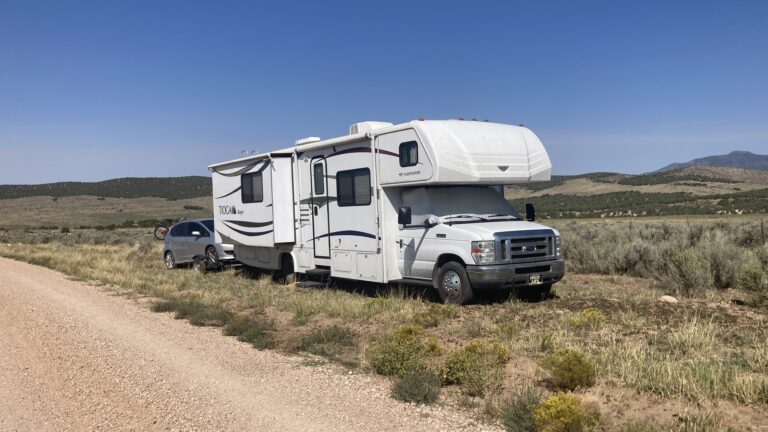
When you rent an RV, you can start with something smaller, like a Class B sleeper van or a tiny pop-up travel trailer, before moving on to a bigger rig like a Class C and eventually a Class A or fifth wheel. Along with giving you more time to get comfortable in these different driving scenarios, this will also simply give you more information about what type of RV might be best for you. Which leads us to our next list item!
2. It can help you understand what types of RV you really like.
As we just mentioned, there are a whole lot of different RV types out there, from a whole slew of different RV manufacturers. While it’s true that you could do a walkthrough or twelve at an RV show or factory floor, there’s really nothing that can stand in for truly experiencing a road trip with these different types of rigs, in a way that goes far beyond the driving experience.
For example, maybe you imagine that you’d like a tiny travel trailer, like a Casita. They’re small enough to tow behind a wide range of vehicles, and they’re self-contained, offering all the basic necessities you need. But then, in the experience of the actual trip, you come to understand that, actually, 17 feet of living space simply isn’t enough for you — especially if you’re traveling with a family. Good thing you can simply look for a different type of RV to rent next, to figure out which type will actually work.
Even if you’re fairly dialed into a specific RV type, you can rent different model years and floor plans so you can get super specific about which one you’re looking for when it comes time to buy. Again, dealers will be happy to show you what they have on offer, but chances are you’ll be limited to just the newest models. Especially if you’re planning to shop the used vehicle market, renting on a peer-to-peer marketplace can be like a supercharged test-drive of every RV you’re curious about.
3. It can help you become a better RV trip packer.
Packing for a trip can already be kind of stressful. When you’re traveling in an RV, there are ways in which that stress level decreases — you don’t have to worry about everything fitting in a suitcase, for example, and you should be able to bring just about everything you want.
But there are also elements that can be challenging for beginners, including RV checklist items you might not have heard of before, like levelers, chocks, and strange-looking hoses. Renting an RV gives you an opportunity to get familiar with RV must-haves before you buy, so you’re not totally overwhelmed as a new RV owner. (Hint: Use our Fully Stocked RV filter to find rental rigs that have everything you need for your vacation!)
4. It can save you money in the long run.
What happens when someone invests in an RV that turns out not to be the best vacation vehicle for their needs?
Often, that RV ends up gathering dust instead of being taken out on epic adventures. Worse, it still requires storage and maintenance, both of which can come with ongoing expenses.
This is the real reason that renting an RV before buying is so important: When you’re better informed, you’re more likely to buy an RV you truly love.
And, yes, renting through the peer-to-peer RV rental marketplace is the best way to tap into the largest variety of rental rigs in America. On that front, we’ve got you covered!
5. It’s just plain fun!
At the end of the day, the whole point of travel — be it in an RV or any other way — is (usually) to have fun. Renting around before you commit is also simply a great way to enjoy a lot of different RV trips with novelty and excitement, which we think is a worthy end in itself.
What are the Drawbacks of Renting vs. Buying an RV?
As promised, we’re going to be balanced, and it’s true that there are some drawbacks of renting, rather than buying, an RV. These include:
- Overall cost effectiveness. While renting an RV once or twice is almost certainly cheaper than buying one, it’s also true that ownership can be more cost effective if you’re going to take an RV trip or two every year for years and years on end. (Still, if you’re renting with RV ownership in mind, the security you’ll have in your investment often makes up for this drawback!)
- Gaining familiarity with a single rig. Sometimes, the quirks of a certain RV model, or even a specific RV itself, only reveal themselves after several trips. While renting different RVs still gives you invaluable information about models, types and floorplans, it’s also true that whatever RV you buy will likely have some peculiarities you simply won’t run into until you’re an owner.
- Restrictions can apply. When you’re renting an RV, someone else owns it. That’s the whole point! But it also means that certain restrictions, such as whether or not you can bring pets, where you can take the RV, and mileage caps can change your experience of the RV travel lifestyle.
Renting vs. Buying an RV: Cost Breakdown
As we’ve argued, renting an RV before buying can truly be a cost-saving move in the long term. In the short term, though, renting can be more expensive if you’re taking multiple trips a year for many years. Here’s a quick visual breakdown of the costs of renting versus buying an RV.
| Cost | Renting an RV | Buying an RV |
| Initial deposit and monthly payment (or large lump sum) | N/A | Can be tens, or even hundreds, of thousands of dollars (with interest over the lifetime of a loan) |
| Repair and maintenance | N/A | Regular RV maintenance can add thousands of additional dollars to your expenses each year (though keeping up with the maintenance schedule can keep costs as low as possible) |
| Storage | N/A | Can range from about $600 to $2,000 or more per year |
| Rental fees | Nightly fee starting around $100 (and going up to $300 or more), along with cleaning fees, generator use fees, mileage fees, etc; a single vacation can cost more than $1,000 easily before additional vacation costs | N/A |
| Insurance | Often included with overall rental price | Can average between about $500 and $1,000 per year (Progressive) |
| Campground Fees, Fuel and other Vacation Expenses | Same for both | Same for both |
Renting an RV with RV Ownership in Mind: Tips and Tricks
Renting an RV with an eye toward ownership can be a smart way to engage with both the rental market and the sale market. Here are some tips and tricks to help you get the most out of your adventures.
- Rent a wide range of different RV types — even ones that don’t immediately appeal to you! Sometimes, the right RV for our needs can surprise us.
- Take trips that match your usual vacation patterns. If you’re usually into week-long stints in the mountains, a long weekend at the beach might be fun (and it’ll still give you some information), but there are lots of things you might not learn that would be informative. When possible, travel like you normally would to get the best learnings during the rental period.
- Try out different weather conditions. Once you buy an RV, that’s your vacation vehicle, whether it’s winter or summer. Traveling in different weather conditions can help you understand whether or not the vehicle you’re choosing is truly comfortable in all seasons.
- Rent on the peer-to-peer market. We’re not just tooting our own horn here, we swear! Renting on the peer-to-peer market at RVshare allows you to access the widest range of potential vehicle types and models, which means you’ll have the best possible opportunity at finding what is truly your dream rig.
Key Takeaways
- Renting an RV before buying one can help you get important information about what type of RV you really enjoy.
- That means renting an RV before buying can help you save money in the long run, rather than making a bad investment.
- Renting has its own costs to consider, especially if you RV often.
- Renting through the peer-to-peer market gives you the widest range of RV types and manufacturers to choose from.
Rent an RV Before Buying: Frequently Asked Questions
It widely varies, depending on where you rent an RV from, what other fees the RV rental agency or owner charges, how far you travel and what types of campgrounds you stay in. However, a good estimate is somewhere between about $1,500 and $4,500 for most camping trips.
It depends on how often you RV, the types of trips you take, the type of RV you’re planning in buying, and more. If you RV often, buying an RV can be more affordable (and less stressful) in the long run, but for occasional trips and to research the RVs available on the market before committing, RVing can be an affordable solution.
According to an analysis performed here at RVshare, RV rental can be substantially less expensive than staying in hotels, which also goes for vacation rentals. As always, though, everything depends on the type of RV or hotel you choose, where you’re traveling, and other vacation decisions.