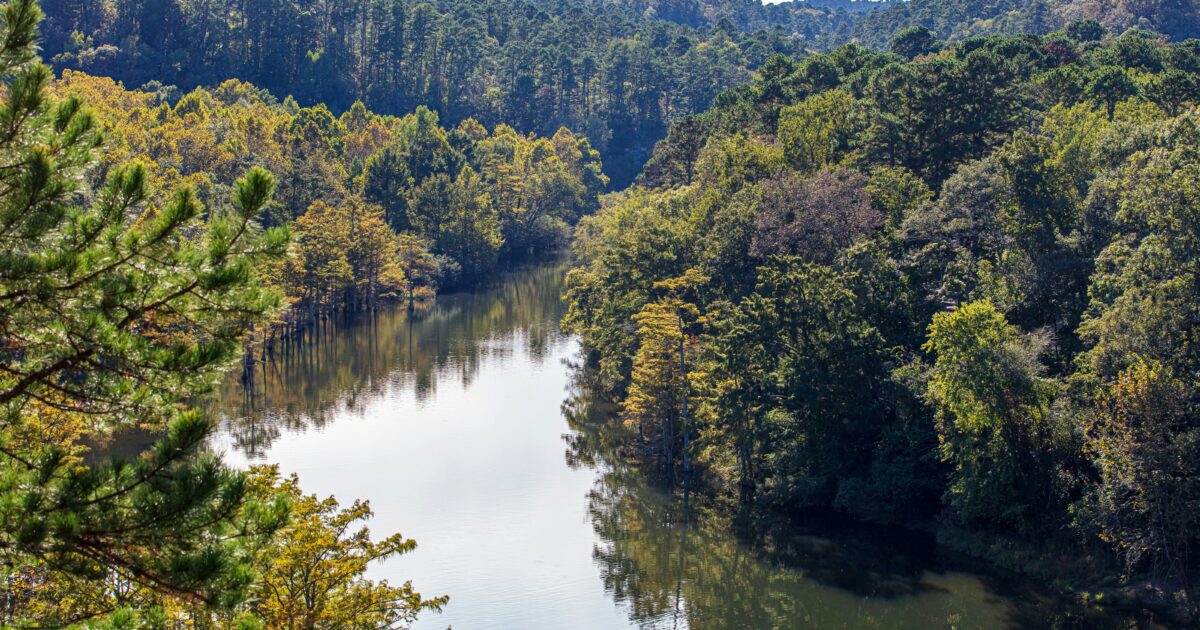
Full-time RV living in Oklahoma is legal as long as you comply with state and local laws. Oklahoma has no statewide prohibition on living in an RV, but city ordinances vary significantly — what’s permitted in a rural county may be restricted in Oklahoma City or Tulsa. The state offers diverse terrain for full-timers, from the Ouachita Mountains and tallgrass prairies to the plains of the Panhandle, along with a low cost of living, year-round camping access, and solid BLM boondocking opportunities.
Please note: This guide is for informational purposes only and is not a legal source. Rules and regulations may have changed since publication. Always verify current laws with local authorities before making long-term decisions.
Full Time RV Living in Oklahoma At A Glance
| Location Type | Legal Status | Typical Cost | Duration Limit | Best For |
| Long-term RV parks | Legal | $400–$700/month | Monthly/annual | Most practical full-time option |
| Own property | Legal with zoning approval; illegal without permits in most cities | Land cost + permit fees | Varies by municipality | Rural property owners with proper permits |
| Public lands (BLM/National Forest) | Legal | Free | 14 days per location | Boondockers, budget travelers |
| Urban areas (OKC, Tulsa, etc.) | Restricted | RV park rates | RV parks only for long-term | Full-timers who want city access |
| Rural areas | Generally flexible | Varies | Check local ordinances | Those seeking maximum flexibility |
| City streets | Restricted | Free | 24–48 hours typically | Emergency or short-term only |
Can You Live in an RV Full Time in Oklahoma?
You can live in an RV full time in Oklahoma as long as you comply with local laws. While no statewide restrictions prevent RV living full time, different cities and counties have varying ordinances that regulate residency, zoning, and parking requirements. For example, while you can park your RV on your property, it may not be allowed for long periods in certain municipalities.
If you’re considering establishing a permanent address in Oklahoma, full time living in an RV can pose challenges. It requires planning to obtain mail services, health insurance, or register to vote while living on the road. However, you can overcome these obstacles with careful planning and the right resources.
Oklahoma RV Parking Laws
Oklahoma cities generally prohibit overnight RV parking on public streets, and residential parking is typically limited to 24–48 hours. Some municipalities allow RV parking on private property with a zoning or temporary occupancy permit; others don’t allow it at all for long-term use.
The safest approach is to research the specific city or county where you plan to park before you arrive. Rural areas are generally far more flexible than urban ones, and many rural Oklahoma property owners can host an RV indefinitely without running into zoning issues.
Trailer Towing Laws
If you’re towing a trailer, Oklahoma law requires several safety features and imposes size limits:
- Maximum trailer length: 45 feet
- Maximum combined length (vehicle + trailer): 65 feet
- Maximum width: 8.5 feet
- Maximum height: 14 feet
- Required equipment: Working taillights, brake lights, turn signals, side reflectors, and a license plate light. Safety chains must securely attach the trailer to the tow vehicle at all times.
Always verify current limits with the Oklahoma Department of Transportation before your trip, as limits can vary between interstate highways and state roads.
Boondocking Regulations
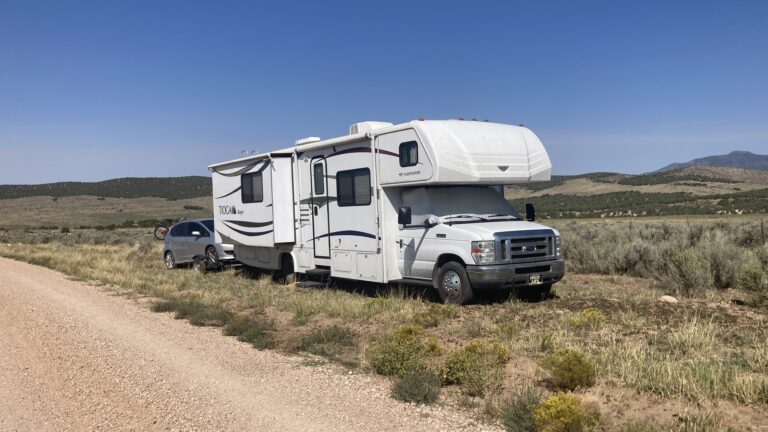
If you prefer a more off-the-grid experience, boondocking is popular in Oklahoma. The state has several public lands, including national forests and Bureau of Land Management (BLM) properties, where boondocking is allowed. In Oklahoma, popular boondocking locations include the Ouachita National Forest and Black Kettle National Grassland. These areas offer beautiful scenery and a peaceful environment if you want a more rustic RV experience. However, boondocking has rules, such as limits on how long you can stay in one spot (usually 14 days) and requirements for waste disposal. You must also pack out all trash and minimize environmental impact by following the Leave No Trace principles.
Oklahoma RV Insurance Requirements
All motorized RVs in Oklahoma must carry minimum liability insurance. The state-mandated minimums are:
- Bodily injury: $25,000 per person / $50,000 per accident
- Property damage: $25,000 per accident
- Uninsured/underinsured motorist (UM/UIM) coverage: Required at the same 25/50/25 minimums
UM/UIM coverage is not optional in Oklahoma — it’s legally required alongside liability coverage unless explicitly waived in writing.
If your RV is your primary residence, standard vehicle insurance likely won’t cover everything you need. Full-time RV insurance adds protections for personal belongings, liability if someone is injured on your property, and weather or theft coverage beyond what basic auto liability provides. Oklahoma sits in Tornado Alley, making comprehensive coverage especially worth considering.
Rules for Camping on Public Land
Oklahoma’s national forests and grasslands allow dispersed camping for up to 14 consecutive days before you’re required to relocate. Free camping is available across most of these areas, but you must pack out all waste, avoid damaging vegetation, and follow any posted restrictions on fires or motorized access.
State parks in Oklahoma operate differently — most require reservations and charge nightly fees, though several offer primitive camping at lower rates. For the most current site-specific rules, check with the Oklahoma Tourism and Recreation Department or the relevant federal land manager before your trip.
Full-Time RVing in Oklahoma City
Oklahoma City, the state’s capital, offers multiple long-term RV parks and campgrounds within city limits. The city provides easy access to urban amenities while maintaining a laid-back atmosphere. In addition to its urban amenities, Oklahoma City has several RV parks, such as Twin Fountains RV Resort and Rockwell RV Park, that offer full hookups, Wi-Fi, and laundry facilities. These parks are convenient for accessing downtown and exploring local attractions. You can enjoy weekend outings to Lake Hefner, hiking, biking, or fishing, balancing city life with nature.
RVing in Oklahoma City FAQs
RV parking on public streets is prohibited unless permitted by local ordinances. Some residential areas may allow RV parking on private property for a limited time.
In some cases, you cannot live in an RV on your property for more than 14 days without special permits. You will need to check with city zoning officials for long-term occupancy permits.
Full-Time RVing in Tulsa
Tulsa is known for its rich art scene and beautiful parks. The city features attractions like the Philbrook Museum of Art and the Tulsa Zoo, offering RVers plenty of entertainment and cultural experiences. RV parks in Tulsa, such as the Eagle’s View RV Park and Estes RV Park, offer essential amenities and easy access to the city’s offerings.
Tulsa’s River Parks trail system offers a scenic route perfect for walking, jogging, or cycling. Full-time RVers can take advantage of the city’s outdoor spaces while enjoying the amenities of urban living.
RVing in Tulsa FAQs
Like Oklahoma City, Tulsa restricts RV parking in residential areas. However, some areas allow temporary parking if it does not violate local zoning laws.
Zoning regulations in Tulsa do not allow full-time RV living on private residential properties. You will need to consult with city officials regarding specific guidelines.
Full-Time RVing in Norman
Norman, home to the University of Oklahoma, is a college town with a youthful energy. Living in Norman allows you to participate in university events, cultural festivals, and sporting activities, creating a vibrant lifestyle. The city is known for its beautiful parks, including Lake Thunderbird State Park, providing hiking, fishing, and boating opportunities. As a full-time RVer, you can experience Norman’s blend of small-town charm and college-town vibrancy.
RVing in Norman FAQs
Parking an RV on residential streets in Norman is not allowed, but you may be able to park on private property temporarily.
Long-term RV living on private property is prohibited without special permits.
Full-Time RVing in Broken Arrow
As one of Oklahoma’s fastest-growing cities, Broken Arrow offers a suburban lifestyle with easy access to the larger urban center of Tulsa. Known for its family-friendly atmosphere and vibrant community, Broken Arrow provides a comfortable setting for full-time RV living. Some RV parks in the city offer essential amenities like full hookups, laundry facilities, and proximity to local attractions.
RVing in Broken Arrow FAQs
Parking on public streets is restricted, and you may need to use designated campgrounds or parks.
City ordinances do not permit long-term RV living on private property without the appropriate zoning permits.
How to Live in an RV Full Time
Living full time in an RV involves more than finding a place to park. You need to plan how to manage your day-to-day needs. You should consider services like mail forwarding and general delivery at post offices, which are popular for RVers. Some RV parks also offer mail services for long-term guests. Also consider signing up for a nationwide healthcare plan or finding local providers that accommodate mobile lifestyles. Telehealth services are one convenient option. You can register to vote using your RV park address or by establishing residency in the state.
Types of Properties You Can Live on Full Time in an RV
Here are some of the kinds of properties you can live on full time in an RV:
- Long-term campgrounds: These provide amenities like water and electricity for extended stays.
- Private land (with permission): Depending on the area, you may need permits or zoning approval.
- Public lands (limited stays): Boondocking is allowed on some public lands, but there are often time restrictions.
Key Takeaways
- Full-time RV living is legal in Oklahoma, but city and county ordinances vary significantly — always verify local rules before committing to a location.
- Long-term RV parks are the most practical and legally straightforward option for full-timers, with monthly rates typically ranging from $400–$700.
- Boondocking is available on public lands like Ouachita National Forest and Black Kettle National Grassland, with a standard 14-day stay limit per location.
- Oklahoma’s major cities — Oklahoma City, Tulsa, Norman, and Broken Arrow — all restrict long-term RV living on private residential property without special zoning permits.
- All motorized RVs must carry minimum liability insurance plus mandatory uninsured/underinsured motorist coverage; full-timers should consider upgrading to a full-time RV policy given Oklahoma’s severe weather exposure.
- Rural areas offer the most flexibility for full-time RV living, with fewer zoning restrictions and more accommodation for long-term stays on private property.
- Day-to-day logistics like mail forwarding, voter registration, and healthcare access are manageable with planning — many RV parks offer mail services for long-term residents.
RVing in Oklahoma FAQs
Yes, you can sleep in the passenger seat with a seatbelt on. It’s unsafe and usually illegal to sleep on the beds or couches in an RV while it’s in motion.
No major RV-related laws have been passed since 2021, but check with local authorities for updates.
Yes it is legal to live in an RV full time in Oklahoma, though local ordinances may restrict where and for how long.
Whether you can park your RV on your property in Oklahoma depends on local zoning laws. Temporary parking may be allowed, but long-term occupancy requires permits.
Yes, you can buy land and live in an RV in Oklahoma, but depending on the location, you may need zoning approval or special permits.
Many RV parks allow long-term stays, but policies vary by location. Some parks have annual rates and welcome you to stay for a year or even longer.
Full-time RV living in Oklahoma is an exciting journey filled with adventure, community, and exploration opportunities. Navigating the rules and regulations surrounding full-time RV living is essential for a hassle-free experience. Before making long-term plans, consider renting an RV in the state to test the waters. Whether you seek the excitement of city life, the tranquility of nature, or the camaraderie of fellow RVers, Oklahoma welcomes you to make it your home.