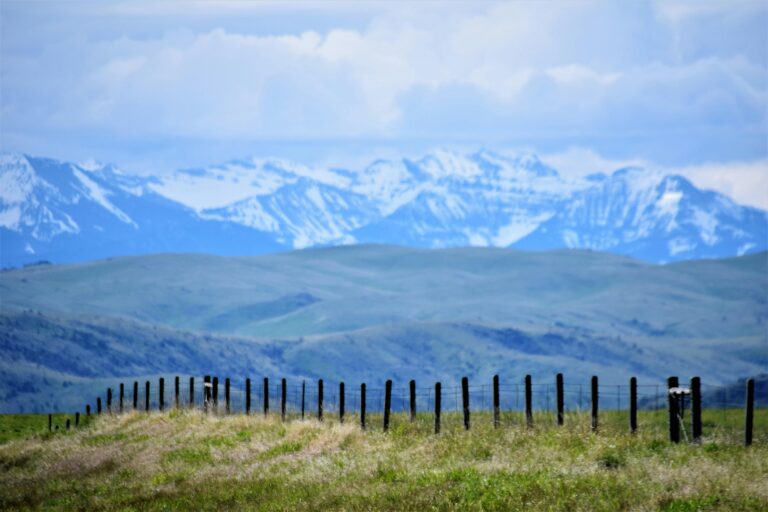
Full-time RV living offers incredible freedom and access to some of the most breathtaking scenery around the country. If you have your eyes set on Montana, you are in for a delightful experience. We’ll discuss how to live in an RV full time in Montana in 2026, the laws that apply, cities and towns to visit, helpful tips, and much more.
Please note that this is not an official source of information, and rules and regulations may have changed since the writing of this article. Please always check with your local authorities before making any long-term decisions and if you are unsure of your local laws.
Can You Live in an RV Full Time in Montana?
Montana does not prohibit full-time RV living at the state level, but whether you can live in an RV on private property depends entirely on local zoning and health regulations.
Rules and Regulations for RVing in Montana
Before you go full throttle on RV living full time in Montana, it is important to understand the rules and regulations. Here, we’ll cover the parking requirements, where you can camp, insurance policies to adhere to, and other local regulations that may affect you.
RV Parking Laws
RV parking laws in Montana vary according to the city or county you are visiting. For example, in Great Falls, it is unlawful to park an RV on the public right-of-way in a residential zoning district unless you are loading or unloading cargo. Alternatively, in some areas of Billings, RVs can only be parked in the rear yard of a residential building unless the rear yard is inaccessible. Parking depends on local ordinances and restrictions, so be sure to check with the city where you’re parking to make sure you have the most updated information.
Trailer Towing Laws
In Montana, the maximum width allowed for a trailer is 8 feet and 6 inches. The height limit is 14 feet, and the gross vehicle weight rating must not exceed 80,000 pounds. If you are towing a trailer with your RV, the combined length of the trailer and towing vehicle must not exceed 70 feet. Trailers must have clearly visible and functioning brake lights, tail lights, turn signals, and reflectors. You should also have safety chains and cables properly attached to the towing vehicle.
Additionally, trailers that weigh more than 3,000 pounds must have brakes. Your braking system should be able to apply brakes on the trailer simultaneously with the towing vehicle.
Boondocking Regulations
Montana has over 19.39 million acres of federal lands where you can boondock for free or at very low fees. Be sure to camp in areas designated by the Bureau of Land Management. Also, refer to Montana’s Motor Vehicle Use Maps to see how far you can go off-road.
Some campgrounds that allow RVers to boondock in Montana include Bear Creek Campground in the West Absaroka Mountains near Gardiner, Battle Ridge Campground on the east side of the Bridge Mountains near Bozeman, and Billy Garret Memorial Bridge Access near Glacier National Park. Contact the local district office to get the necessary permits before setting up your trailer.
The general rules you must follow include proper waste disposal, being respectful of wildlife, and stay limits. Note that there is a time limit on how long you can boondock in most national forests. If you have exhausted your stay timeline, you must move more than 5-miles away, and you cannot return to your original campsite for at least a week.
RV Insurance Requirements
If you have a non-motorized towable, like a fifth-wheel, teardrop camper, or travel trailer, Montana state law does not require you to carry RV insurance for it. However, the driver must carry liability coverage for the towing vehicle, which includes $25,000 in bodily injury per person, $50,000 in total bodily injury per accident, and $20,000 in property damage per accident.
If you drive a motorhome, you must carry liability insurance for it as you would for a normal car. You can also consider getting RV insurance to add an extra layer of protection. For instance, a comprehensive plan offers coverage for vandalism, theft, and natural disasters.
Rules for Camping on Public Land
In Montana, the Bureau of Land Management and the State’s Department of Natural Resources & Conservation (DNRC) regulate camping on public lands. According to the law, you may need to get a permit or Conservtion License if you want to camp on Montana State Trust Lands.
Other rules for camping on public land include cleaning up your campsite when leaving and refraining from camping near trailheads and established campgrounds.
Full-Time RVing in Helena
One of the best places you can visit or live in Montana is Helena. As the state’s capital, it is full of vibrant activities and culture to experience. For instance, you can visit the Canyon Ferry recreation area, where you can take boat rides, fish for trout and walleye, picnic, hunt, and camp. You can also go hiking or mountain biking on Mount Helena.
The city has multiple RV parks with amenities such as full hookups, showers, and Wi-Fi that make for a comfortable stay. Notable ones include Helena North KOA, Conestoga Campground, Townsend, and Bernie and Sharon’s Riverfront RV Park.
RVing in Helena FAQs
No, you can’t park your RV anywhere on the streets in Helena. Short-term parking may be allowed, but permits may be required for some parking.
Typically, yes, but city ordinances require that RVs used for housing meet specific standards, such as ensuring that they’re connected to utilities and comply with setback requirements from property lines. You should also check HOA rules and may have to get a permit from the local authorities.
Full-Time RVing in Bozeman
Bozeman is a thriving city in Montana known for its stunning natural surroundings and vibrant uptown life. Full-time RV living here will allow you to explore the Museum of Rockies, corn mazes, and blue-ribbon fisheries. Alternatively, Yellowstone and Glacier National Parks allow visitors to cross-country ski, snowmobile, take a magical snow-coach tour, and see incredible wildlife.
Bozeman has various well-appointed RV parks where you can stay long-term. They include Yellowstone’s Edge RV Park, Osen’s Campground, Rocky Mountain RV Park, and Ennis RV Village.
RVing in Bozeman FAQs
According to an ordinance passed in November 2023, you cannot park your RV near homes, schools, parks, daycares, or within 100 feet of business entrances. Living in your RV may also be restricted.
No, the city of Bozeman does not allow residents to live in an RV permanently on their own property. Nearby towns may have less strict zoning laws.
How to Live in an RV Full Time
Living in an RV full-time in Montana can be a very exciting adventure, but it needs careful planning, research, and a willingness to adapt to conditions to ensure a smooth transition. For instance, you should consider signing up for a mail forwarding service to continue receiving your mail. If you are staying in an RV park long-term, you can ask your RV park management if you can use their address to receive mail.
You’ll also want to figure out how to vote. To do this, establish your domicile state. This is where you file your taxes, usually vote, and have a physical address for mail. If you are away, you can vote by absentee ballot. Unless you are retired, you’ll need a job as well. Many RVers secure an online job or seek seasonal employment as they travel.
Because of Montana’s cold weather and snow, you’ll also want to make sure you winterize your vehicle so that it stays warm through the winter months. Montana does have some campgrounds that stay open year-round, but you may have to search a little for them.
Types of Properties You Can Live on Full Time in an RV
Here are the kinds of propertiies you can live on full time in an RV:
- Long-term campgrounds: You can find long-term campgrounds in Montana that may allow you to stay for prolonged periods.
- Your own property: You can live in your RV as long as you comply with local ordinances and zoning laws.
RVing in Montana FAQs
You can stop your RV to take a nap while safely parked in a designated rest area. Passengers can sleep while you are driving with a seat belt on but cannot sleep in a trailer or the back of an RV.
Montana increased the maximum length of a travel trailer from 40 to 46 feet. When parking your RV near a dwelling in Billings, ensure it is at least five feet away from any door, window, or other openings.
Yes. You can legally live in an RV full-time in Montana. However, you must comply with local ordinances and zoning laws. These regulations are generally more strict in cities.
You can park your RV on your property in Montana. However, most cities have specific rules about where you need to park and how long it can stay there.
Yes, you can buy land and live in an RV on it. However, check the local laws and zoning requirements in the area where you plan to purchase land to ensure it is permitted.
Every RV park has its own rules for how long you can stay. There are parks that you can live in seasonally or full-time.
Montana is a great choice if you want to live in an RV. Consider renting one to test the waters before taking the plunge. Planning a trip to Montana will give you a better idea of where you want to live in the state.