Fort Ord National Monument
The Bureau of Land Management (BLM) is responsible for 1 in every 10 acres of land in the U.S.
Fort Ord National Monument is a Bureau of Land Management site on California's Monterey Peninsula known for its military history and more than 86 miles of nonmotorized trails. While many BLM destinations offer camping, Fort Ord is best suited as a day-use stop for RV travelers since overnight camping is not permitted anywhere within the monument. The paved roads make it easy to access in everything from camper vans to large motorhomes, and no reservations or fees are required for day use. Visitors can access the trail system and recreation areas free of charge. Many RV travelers stay at nearby campgrounds while using Fort Ord as a base to explore the monument, neighboring Fort Ord Dunes State Park, and other popular attractions around Monterey Bay.
Quick Facts About RVing in Fort Ord National Monument
• RV Friendly: Yes (for day use)
• Max RV Length: Varies by nearby campground and parking availability
• Camping Type: No camping permitted within the monument
• Reservations: Not required for day use
• Hookups: None on-site
• Dump Station: None on-site
• Potable Water: Available at the Creekside Terrace trailhead
• Cell Service: Generally good throughout most of the monument
• Pets: Allowed; leash restrictions apply in some areas
• Roads: Paved access roads with unpaved trails and recreation areas
• Best Season: Year-round, with creek crossings in winter on some trails
Why RV Travelers Love This BLM Area
• Paved access with suitability for larger RVs
• Close to full-hookup campgrounds
• Easy day-trip stop with breathtaking views
• Campgrounds within walking distance of some of the monument's trailheads
• Convenient access from Monterey, Salinas, and Highway 68
What to See and Do
Hiking and Biking
Juan Bautista de Anza National Historic Trail
Part of the Historic Juan Bautista de Anza Trail runs through the Fort Ord National Monument and can be explored by foot, bike, or horseback. The full length of the trail totals over 1,200 miles and was first a path taken by 240 people from Arizona to the San Francisco Bay Area. Led by Juan Bautista, the path riders used the trail to create the first non-native American settlement in the Bay Area in 1776.
Length: 6 miles
Intensity: Easy
Couch Canyon Trail
The Couch Canyon Trail, or Trail 47, is a loop trail that takes a path through and around Couch Canyon within the Fort Ord National Monument. This route is best for mountain biking and offers great views of hilly grasslands.
Length: 4 miles
Intensity: Moderate
Trail 50
Trail 50 is an out-and-back trail in the heart of the Fort Ord National Monument and gives trail users a front-seat view of the coastal shrub landscape. This trail begins at Lookout Ridge Road and ends at Jacks Road, where users can turn around to repeat the trail route.
Length: 1.3 miles
Intensity: Moderate
Fishing and Boating
There are 40 vernal ponds scattered all over Fort Ord National Park where salamanders and migrating birds often come to rest. These ponds and small lakes are scenic; however, they are not stocked with fish since they only fill in the spring. For more fishing and boating opportunities, you can cross the street from the monument and check out the beaches at Fort Ord Dunes State Park. At this park, there are day-use areas with picnic tables, boat launches, and ocean access for beachside fishing. Fish species commonly caught here include sanddab, mackerel, and rockfish. Crabs are also able to be caught on the shores.
Wildlife Viewing
Plenty of rare animals can be seen along the trails at Fort Ord National Monument, and some large mammals here include black-tailed deer, mountain lions, bobcats, coyotes, and badgers. Birds at the monument include turkeys, red-tailed hawks, Canadian geese, California quail, and golden eagles. A few of the plant species here include baby blue-eyes, ceanothus blue blossoms, Hickman's popcorn flowers, buttercups, lupines, goldfields, sunflowers, sticky monkey flowers, nightshades, chaparral currents, and California golden rods. Both Contra Costa goldfields and Monterey spineflowers are endangered species that you may only see at Fort Ord and nearly nowhere else.
Bureau of Land Management Camping
RV Camping 
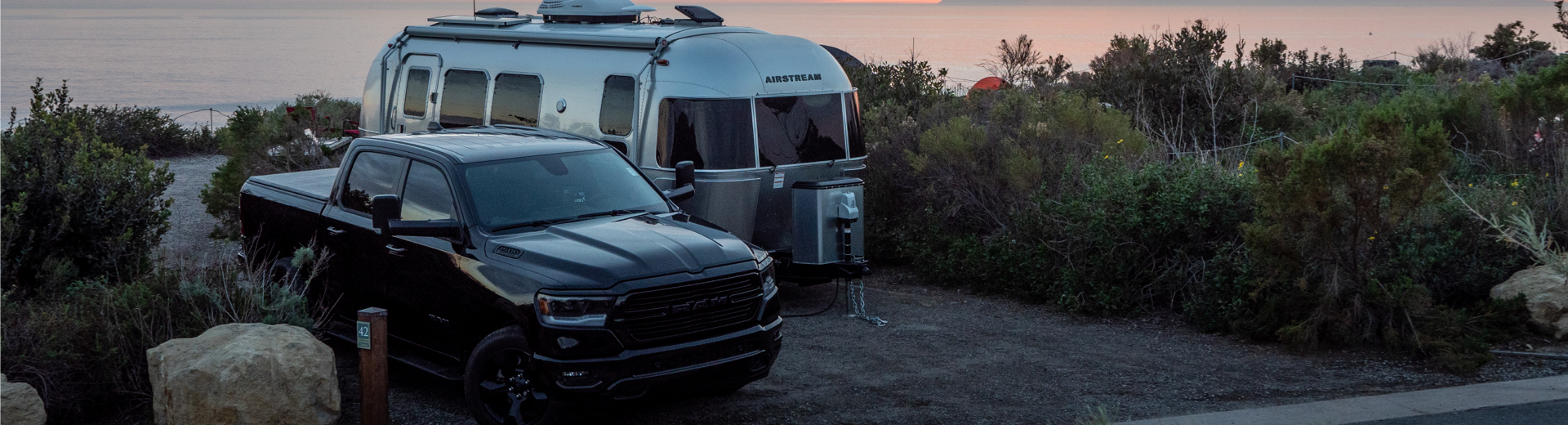
If you're looking to camp close to the Fort Ord National Monument, consider staying at the Laguna Seca Recreation Area Campgrounds, which has spaces large enough for RVs and full hookups plus free Wi-Fi. This campground is within walking distance of some of the monument's trailheads too. You could also go RV camping at a place like Monterey Veterans Memorial Park to experience downtown Monterey easily and to see views of the California coastline.
Dispersed Camping
There are no opportunities for dispersed camping while visiting the Fort Ord National Monument, but you can camp nearby in your RV. Several campgrounds offer RV-friendly amenities to make your trip more comfortable and convenient.
Developed Campgrounds
• Approximately 9 minutes from Fort Ord
• Water and electric hookup sites
• Dry camping sites available
• RV dump station
• Restrooms and hot showers
• Picnic tables
• Fire pits at select sites
• Pet-friendly
• Direct trail access to Fort Ord
• Accommodates RVs up to 40 feet
• Year-round camping
• Reservations highly recommended
• Approximately 22 minutes from Fort Ord
• Full hookup RV sites
• Pull-through RV sites
• 30- and 50-amp service
• Free Wi-Fi
• Cable television
• Heated swimming pool
• Hot tub
• Laundry facilities
• Private beach access
• Pet-friendly
• Reservations accepted
• Approximately 40 minutes from Fort Ord
• Full hookup RV sites
• Pull-through sites up to 100 feet
• Concrete RV pads
• 30- and 50-amp service
• Free Wi-Fi and cable TV
• Swimming pool and spa
• Fitness center
• Laundry facilities
• Pet exercise park
• Pet wash station
• Propane filling station • Clubhouse with kitchen
Is This BLM Area Good for Your RV?
Fort Ord National Monument is one of the more accessible BLM destinations for RV travelers thanks to its paved roads and relatively gentle approach via Highway 68 and Toro Creek Road. There are no significant steep grades, washboard sections, or low-clearance concerns to worry about. However, parking at some trailheads and access points is better suited to smaller rigs, so travelers with larger motorhomes may find it more convenient to leave their RV at a nearby campground and explore with a secondary vehicle.[Text Wrapping Break]
Camper Vans: These are a perfect match for exploring Fort Ord National Monument. Their compact size makes it easy to navigate parking areas and nearby attractions throughout Monterey County.
Travel Trailers: A practical option if you're staying at a nearby campground. Unhooking your tow vehicle makes it easy to visit the monument and explore the surrounding area. This setup is especially convenient since parking at many access points is better suited to smaller vehicles.
Fifth Wheels: Well suited for longer stays at nearby RV parks. Since parking can be limited at some trailheads, many travelers prefer leaving their fifth wheel at camp and exploring with their tow vehicle.
Class A Motorhomes: While the monument's paved access roads can accommodate large rigs, Class A owners may find parking and maneuvering at some trailheads less convenient. If you're traveling in a larger motorhome, consider staying at a nearby RV resort and using a towed vehicle to visit the monument.
Class B Motorhomes: These are among the best RVs for Fort Ord thanks to their maneuverability and ability to fit comfortably in most parking areas. They're especially well suited for travelers planning other stops around Monterey Bay and California's Central Coast.
Class C Motorhomes: This is a great middle-ground option for navigating the paved roads leading into the monument. They provide extra living space without the size of a large Class A, making them a comfortable choice for families or longer RV trips through the region.
Free Camping 
Dispersed camping and overnight stays are not allowed at the Fort Ord National Monument, so when you search for "BLM camping near me," check out the Laguna Mountain Campground near the national monument. This campground has picnic tables and fire pits at each campsite and is close to even more hiking trails through the California woods. Another Bureau of Land Management free camping option is Williams Hill Campground, which has a picnic shelter and dirt-based campsites. Both of these Bureau of Land Management campgrounds are primitive though, so you will not have water or electric hookups during your stay at them.
RV Rentals Near Fort Ord National Monument Plan your next adventure

Planning your Fort Ord National Monument BLM trip
Whenever you plan on visiting the trails at Fort Ord National Monument, be sure to bring plenty of drinking water along with you since there are no water outlets on the land. You should also know that shooting, hunting, campfires, and fireworks are prohibited at the monument, and the trails are only open from 30 minutes before sunrise to 30 minutes after sunset. When you do take to the trails, always stay on the clear path so that you do not disturb the natural environment.
If you plan on camping at a BLM campground, be sure to pack items like water jugs and batteries to prepare for a primitive experience. Before you head out on your trip, check out our blog for all you need to know about BLM camping.
What RV Travelers Should Know Before Arriving
If you are planning on exploring Fort Ord National Monument, it's important to remember that the trails are only open from 30 minutes before sunrise to 30 minutes after sunset. Visitors should bring plenty of drinking water since the only potable water is at the Creekside Terrace trailhead. Archaeological sites are open for exploration, but the removal of artifacts and the use of metal detectors are prohibited. Free camping options are available nearby, but they are primitive, so you will not have water or electric hookups during your stay.
Leave No Trace 
At Fort Ord National Monument, visitors are required to follow the BLM's Leave No Trace rules so that the land remains clean and safe for the rare and endangered wildlife that lives in it. To follow these rules, be sure to pick up after yourself, leave anything you find, and keep your distance from wild animals.
Fort Ord National Monument Location
To reach the Fort Ord National Monument from Monterey, California, take CA-1 N/CA-68 E, and then use exit 401B. From there, use CA-68 E/Salinas Highway for 13 miles, and turn left onto Toro Creek Road. From there, the entrance to the monument will be on the immediate left.
Field Office Address: 940 2nd Avenue, Marina, CA 93933
Ready to visit Fort Ord National Monument? An RV rental is a great way to experience your destination. Not only will you be close to all the action, but at the end of a long day exploring, you’ll have your RV to return to for the night where you’ll enjoy a full kitchen, bathroom, and nice soft bed. Not sure about renting an RV? Here’s a step-by-step guide to renting an RV with RVshare.
Plan Your Day at Fort Ord National Monument
• Morning: Start the day with wildlife viewing along the rolling hills, pockets of woodlands, and waterfront areas of the monument. Most of the endangered wildlife and rare species of plants here are rarely found outside Fort Ord. Some of the species you might come across include black-tailed deer, coyotes, bobcats, red-tailed hawks, golden eagles, and mountain lions.
• Afternoon: Spend the afternoon exploring the historical treasures of the monument. Various archaeological sites allow visitors to experience the lives of the indigenous Costanoan Indians. You can also access the part of the Juan Bautista de Anza Historic Trail that crosses between the Creekside Terrace and Badger Hills trailheads.
• Evening: End the day experiencing the military history of the area. Visit the beautiful Central Coast Veterans Cemetery, the final resting place of many veterans who laid down their lives in the service of our country. Return to your RV campsite at Laguna Seca or Marina Dunes for dinner and stargazing.
Nearby Attractions
Monterey Bay Aquarium: Located about 30 minutes from Fort Ord National Monument, this world-famous aquarium features thousands of marine animals, interactive exhibits, and spectacular views of Monterey Bay. It's an excellent stop for families or anyone interested in marine life.
Cannery Row: Approximately 30 minutes away, Cannery Row is home to waterfront restaurants, unique shops, historic buildings, and beautiful coastal scenery. It's the perfect place to enjoy fresh seafood and take a leisurely walk along the bay.
Point Lobos State Natural Reserve: Nearby Point Lobos, about 35 minutes away, offers breathtaking ocean views, rugged cliffs, wildlife watching, and scenic hiking trails. Also offering potential views of the gray whale migration in spring, many visitors consider it one of the most beautiful stretches of California's coastline.
17-Mile Drive: With an access point 30 minutes away in Monterey, this iconic scenic drive winds through Pebble Beach, passing famous golf courses, dramatic coastal overlooks, and landmarks like the Lone Cypress. It's a memorable excursion for RV travelers exploring the Monterey Peninsula.
Frequently Asked Questions
Can you camp overnight at Fort Ord National Monument?
No, overnight camping is not allowed at Fort Ord, including dispersed camping. RV travelers should plan to stay at a nearby campground or RV park and use the monument as a day-use destination.
Do you need a high-clearance or four-wheel-drive vehicle?
No. One of the biggest advantages of Fort Ord National Monument is that its paved access roads make it easy for most visitors to explore the area without needing four-wheel drive or high ground clearance. This makes it one of the more accessible BLM destinations for RV travelers.
Are pets allowed at Fort Ord National Monument?
Yes, you're more than welcome to bring your furry friends to Fort Ord, but you must abide by all posted regulations. These may include keeping pets on a leash, staying on designated trails, and avoiding restricted wildlife areas. You can use this pet camping checklist to make sure you don't forget any important supplies before your trip.
Is Fort Ord National Monument a good destination for large RVs?
Yes, Fort Ord is a great destination for RV travelers who want to explore the monument during the day and then stay overnight at a nearby campground. The paved roads give you easy access for traveling in a large RV, but parking may be limited at some trailheads, so be sure to arrive early.
What is the best time of year to visit Fort Ord National Monument?
The best time to visit depends on your priorities. Summertime offers plenty of opportunities for hiking, mountain biking, and horseback riding. Fall gives you comfortable temperatures, fewer crowds, and clear skies. Winter brings about greener landscapes and seasonal rain, but the coastal weather still allows for outdoor recreation on many days. Spring is the best time to visit if you want to see colorful wildflowers in bloom.
Rent the Right RV for This Trip
Traveling to Fort Ord National Monument in an RV is an excellent way to experience everything the area has to offer. Just keep in mind that no overnight camping of any type is allowed. You may find it easier to navigate some of the trailhead parking areas in a smaller rig, like a camper van or Class B motorhome, but the paved roads make this destination accessible for RVs of nearly every size. Fort Ord is also a convenient stop on a larger Central Coast adventure, with nearby attractions like Monterey Bay, Fort Ord Dunes State Park, and Pinnacles National Park all within easy reach.
To find the perfect setup for your trip, explore these RV rentals in Marina, CA.