RV inspections in 2026 typically cost between 400 and 1,500 dollars, depending on the RV’s size, type, complexity, and the depth of the inspection. Smaller travel trailers and basic inspections fall near the lower end of that range, while comprehensive Level 2 inspections on large Class A diesel pushers and luxury coaches can reach 1,500 dollars or more.
Understanding RV inspection costs matters because a thorough pre-purchase inspection can save you thousands of dollars. It can uncover hidden problems like roof leaks, frame damage, electrical issues, appliance failures, or flood damage before you commit to buying a used RV. The inspection report gives you negotiating leverage to either reduce the purchase price, request repairs from the seller, or walk away from a problematic RV entirely. So a $500-$1,000 inspection fee can be a worthwhile investment that often pays for itself many times over.
This comprehensive guide covers everything you need to know about RV inspection costs, including motorhome versus travel-trailer pricing differences, pre-purchase inspection versus mandatory state safety inspection requirements, what inspectors check during evaluations, how to find qualified inspectors near you, and whether DIY inspections are worth the risk.
RV Inspection Costs At A Glance
| RV / inspection type | Typical 2026 range (pro, NRVIA‑style) | Notes |
| Travel trailer < 25 ft | 350–450 dollars | Base pre‑purchase, roof and systems |
| Travel trailer 25–35 ft | 400–550 dollars | More time, more systems |
| Fifth wheel | 450–600 dollars | Often on the higher end in big metros |
| Class B motorhome | 800–1,300 dollars | NRVIA guides show 800–1,299 plus fluids. |
| Class C motorhome | 450–900 dollars (basic–full) | Many NRVIA quotes around 800–900 |
| Class A gas | 500–1,000 dollars | Upper end common in major metros |
| Class A diesel pusher | 650–1,500 dollars | NRVIA and forums report 800–1,200+, sometimes 1,500 |
| Luxury / Super C / high‑end A | 800–1,800+ dollars | Complex rigs, more hours |
| Add‑on fluid analysis package | 200–300 dollars | Engine, transmission, coolant; may push total near 2,000 on big rigs |
| Basic “mechanical‑only” / light third‑party check | 350–600 dollars | Shorter, limited‑scope reports, cheaper but less thorough |
| Mandatory state safety/emissions | 50–150 dollars | Varies widely by state |
How Much Does an RV Inspection Cost?
Buying an RV can seem overwhelming. You’ll want to do some research before you make your final decision so you can be sure you have the right motorhome for you and the lifestyle you want. One important part of that research will be to make sure you have an RV inspection before you purchase an RV.
Motorhome Inspections Costs
Motorhome inspections generally range from $450-1,500 or more, with larger and more complex rigs falling at the upper end. You’ll pay more if you’re looking at a big Class A or Super C with multiple slideouts, advanced electronics, or hydronic heating systems.
A smaller motorhome pre‑purchase inspection that focuses mainly on mechanical systems (engine, transmission, brakes, drivetrain) typically starts around $350–600. A basic Level 1 inspection, which checks essential safety and house systems, usually runs $450–900, depending on size and location. Comprehensive Level 2 inspections that evaluate all major mechanical, structural, and house systems, and include a detailed photo‑rich report, commonly cost $700–1,500 for most motorhomes and can be higher for large diesel pushers.
Travel Trailer Inspection Costs
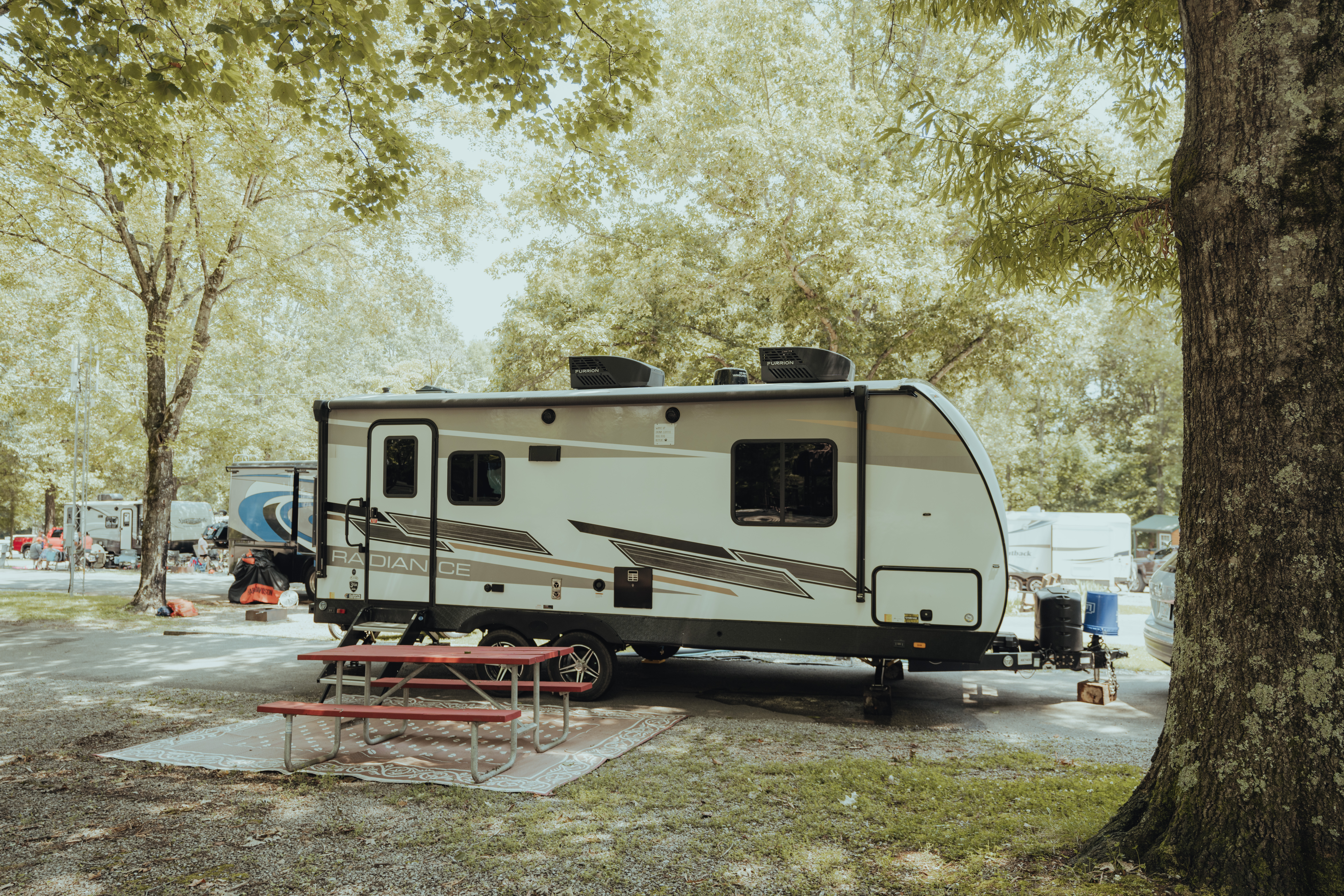
Travel trailer inspections are generally less expensive than motorhome inspections because there’s no engine, transmission, or drivetrain to evaluate. In 2026, most professional pre‑purchase inspections for towable campers fall roughly in the $350–600 range, depending on trailer length, number of slideouts, and how comprehensive the report is.
You may also need a separate mandatory state safety inspection for your trailer, where required by law, to verify items like lights, brakes, tires, and overall roadworthiness. These state inspections are typically much cheaper than full pre‑purchase inspections and are focused only on meeting minimum legal safety standards, not on uncovering hidden condition issues.
What Factors Affect RV Inspection Cost?
There are a few factors that are going to affect the price of your RV inspection. RV inspectors determine their own rates, and you can have anything from a short (2-3 hours) inspection to an inspection that lasts 8 hours.
Time Requirement
In addition to the time spent testing every system and function of your RV, your inspection includes hours after the initial inspection, preparing a detailed report with photos, much like a home inspection report.
Inspection Level
While some inspectors offer a more basic inspection at a cheaper price point, others don’t offer this because it may put them in a position where they spot a potential issue but have not been paid for the amount of time it would take them to investigate it, and they would rather be able to confidently tell you everything they know about the RV.
- Level 1 inspections cover essential systems and basic functionality, suitable for newer RVs or budget-conscious buyers willing to accept some risk.
- Level 2 inspections provide a comprehensive evaluation of all systems, appliances, and the structure, as well as potential problems, and are recommended for most pre-purchase situations, especially for used RVs.
Type of RV
A small, basic Class C camper is going to be faster and cheaper to inspect than a large Class A motorhome with lots of slideouts and amenities. Likewise, trailer inspections usually cost less than motorhomes because there are no mechanisms involving driving the vehicle, like an engine, to inspect.
Price by RV type:
- Class B campervans: 800–1,300 dollars
- Small Class C motorhomes: 450–900 dollars
- Large Class C motorhomes: 600–1,000 dollars
- Class A motorhomes (gas): 500–1,100 dollars
- Class A motorhomes (diesel): 700–1,500+ dollars
- Travel trailers: 350–600 dollars
- Fifth wheels: 450–700 dollars
RV’s Age and Condition
The RV’s age and wear and tear will also affect the cost of an inspection. An RV that has barely been used and is still in mint condition should be pretty quick to inspect. An older RV may require more time to assess whether wear has affected its safety and overall quality.
Location of the Inspection
Finally, the price of your RV inspection may depend on where in the country it is performed. In big cities, where the cost of living is generally higher, RV inspections can be more expensive.
Geographic pricing variations:
- Rural areas: $350-$900 typical range
- Mid-sized cities: $400-$1,100 typical range
- Major metro areas (NYC, LA, SF, Seattle): $500-$1,500 typical range
Inspectors may also charge travel fees if they need to drive significant distances to reach the RV location, typically $0.50-$1.00 per mile beyond a certain radius.
Types of RV Inspections
Pre-Purchase Inspection
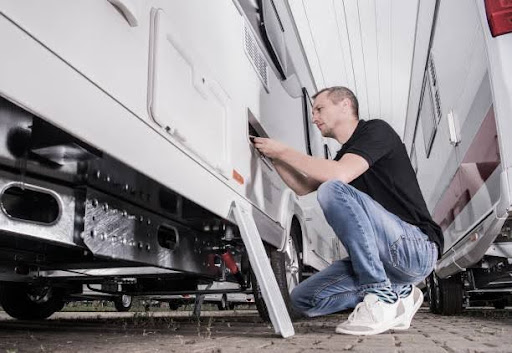
A pre-purchase inspection is the most expensive option for an RV inspection. This is because you’ll want to go over the entire RV to be sure you know what you’re getting, and that nothing is broken or missing. You can choose to inspect only the mechanics of your RV, or have a full interior and exterior inspection.
An RV inspector should check the following:
- The condition of the exterior body, including the underbody – are there scratches in the paint? Dents? Rust?
- The condition of the tires and wheels
- Any accident or flood damage
- Any cracks in glass or other window problems
- Drive components like 4-wheel and all-wheel systems
- Steering, suspension, braking systems, and exhaust
- Engine and transmission inspection
- Fluid levels and whether there are any fluid leaks
- The doors and roof
- Interior inspection of the furnishings, cabinets, and facilities
- Generator and appliance test
- Test of lights, A/C, and electrical systems
- Check of interior upholstery, mats, seat belts, other decorative finishes
If possible, have your inspector take your motorhome for a road test, and request that they take plenty of pictures during the inspection. This will help if you want to go over any details later, and will be especially helpful if you’re trying to decide between several motorhomes.
Mandatory State Inspection
Different motorhomes require different state inspections – a larger Class A RV may need a state safety and emissions inspection, while a Class B campervan may just need the usual emissions checks required by your state. A safety check will inspect your lights, brakes, tires, and possibly suspension to make sure your vehicle doesn’t pose a danger on the road.
Important: A mandatory state safety inspection is NOT a substitute for a pre-purchase inspection. State inspections only verify the RV meets minimum legal requirements for road safety, not whether it’s a good purchase.
Finding an RV Inspection Near Me
RV Help is a great place to find an inspector for your RV. Thanks to RV Help’s partnership with the National RV Inspectors Association, all inspectors listed on the platform are NRVTA-certified. The RV Help mobile app makes it easy to find an inspector near your location, or near the location of the RV you’re thinking about buying. If you’re having trouble settling on an NRVIA-certified inspector, you can read reviews and request quotes from multiple inspectors, all through the RV Help app.
What to Look for in an RV Inspector
- NRVIA certification: The National RV Inspectors Association (NRVIA) provides training and certification for RV inspectors. Look for inspectors with this credential.
- Experience: Ask how many RVs the inspector has evaluated and whether they have experience with your specific RV type and brand.
- Detailed reporting: Ensure the inspector provides a comprehensive written report with photos documenting all findings.
- Insurance: Verify the inspector carries errors and omissions (E&O) insurance in case they miss something significant.
- References and reviews: Read online reviews or ask for references from previous clients.
Can I do my own Pre-Purchase RV Inspection?
You can’t do your own mandatory safety inspections, but you can do your own pre-purchase RV inspection if you want. There are some pros and cons to a DIY inspection.
Pros:
- You’ll save money. Doing it yourself means you won’t be paying an inspector hundreds of dollars
- You can trust yourself. Doing the inspection yourself means you don’t have to trust anyone else to be honest with you.
Cons:
- You miss a possible opportunity for negotiation. If the inspector does uncover significant issues, you may be able to negotiate the sale price or ask the seller to pay for these repairs. If you overlook these issues while doing your own inspection, you’ll be out of pocket for any unexpected repairs.
- You won’t have the experience or knowledge of a trained RV inspector who has seen hundreds of RVs. They’ll know the problems that commonly plague RVs, and they’ll be looking for certain things.
- You may not have the opportunity or tools necessary to test every system. Will the seller allow you to test the water system for leaks, run the water pump, or take apart the furnace and air conditioner to inspect their condition, for example? Professional inspectors have specialized tools like moisture meters, infrared thermometers, and multimeters.
- You’re liable for any mistakes. You may have recourse against an inspector who does a bad job, but you won’t have any if you do the inspection.
- You lack objectivity. When you fall in love with an RV, you may unconsciously overlook or minimize problems that a neutral third party would flag immediately.
Unless you have professional RV repair experience, proper diagnostic tools, and the ability to remain completely objective, hire a certified NRVIA inspector for pre-purchase evaluations. The $500-$1,000 inspection fee is a small price to pay compared to the $5,000-$20,000+ you could spend fixing major undiscovered problems like roof leaks, frame damage, or electrical issues.
Key Takeaways
- RV inspection cost ranges from $150 to $1,200, depending on type, size, and inspection level.
- A thorough pre-purchase inspection can reveal hidden issues, helping buyers negotiate better deals.
- Travel trailer inspections generally cost less than motorhome inspections due to fewer systems involved.
- Factors influencing inspection costs include time, inspection level, RV type, age, condition, and location.
- Hire certified inspectors for thorough evaluations; DIY inspections might overlook critical problems.
FAQs About RV Inspection Costs
n 2026, most professional pre‑purchase RV inspections range from about $400 to 1,500, depending on RV type, size, inspection level, and location. A basic mechanical‑only inspection for a small motorhome typically starts around 350–600 dollars, while a comprehensive Level 2 pre‑purchase inspection for a large Class A motorhome or diesel pusher often falls in the $700–1,500+ range. Travel trailer inspections usually cost about 350–600 dollars because there’s no engine or transmission to evaluate. Level 1 inspections (a basic systems and safety check) commonly run $450–900, and Level 2 inspections, which include a complete evaluation of all major systems plus a detailed photo‑rich report, are typically $700–1,500 for most RVs.
Additional factors affecting price include the RV’s age and condition (older RVs take longer to inspect), number of slideouts and amenities (more systems to check), geographic location (major cities cost more), and whether the inspector needs to travel significant distances to reach the RV. The inspection fee is a worthwhile investment that often saves buyers thousands by uncovering problems before purchase.
Yes, an RV inspection is absolutely worth the cost and should be considered essential before purchasing any used RV. A $500-$1,000 inspection fee can save you $5,000-$20,000+ by uncovering major problems like roof leaks, frame damage, electrical issues, appliance failures, or flood damage before you commit to buying.
The inspection report also gives you significant negotiating leverage. You can request the seller reduce the price to account for needed repairs, ask them to fix problems before closing, or walk away from a problematic RV entirely. Experienced NRVIA-certified inspectors know the common problems that plague specific RV makes and models, have specialized diagnostic tools to detect hidden issues, and provide detailed reports with photos documenting all findings. Even if the inspection reveals no major problems, the peace of mind knowing you’re buying a solid RV is valuable, and the report serves as documentation of the RV’s condition at purchase time for insurance and future reference.
Yes, an RV inspection is still absolutely worth the cost and should be treated as essential before purchasing any used RV. A $700–1,500 professional inspection on a higher‑value rig can easily save you $5,000–20,000 or more by uncovering major problems like roof leaks, structural or frame issues, hidden water or flood damage, failing appliances, or serious electrical faults before you own them. For smaller trailers and simpler motorhomes in the $400–800 inspection range, the same logic applies at slightly smaller dollar amounts—the upside in avoided repairs and bad purchases usually dwarfs the inspection fee.
The inspection report also gives you significant negotiating leverage. You can use documented findings to ask the seller to reduce the price to cover repair estimates, complete specific repairs before closing, offer a repair credit, or, if the problems are severe, walk away from the deal entirely. Experienced, credentialed inspectors who work with RVs every day know common failure points on specific makes and models, bring diagnostic tools (like moisture meters and infrared thermometers) that most buyers don’t have, and provide detailed, photo‑rich reports you can refer back to later. Even if the inspector doesn’t find any major issues, the peace of mind of knowing you’re buying a solid RV—and having written documentation of its condition at the time of purchase for insurance and resale—is often well worth the cost.
RV inspection duration varies based on the RV type, size, inspection level, and what the inspector discovers during evaluation. A basic Level 1 inspection for a small Class C motorhome or travel trailer takes 3-4 hours on-site. A comprehensive Level 2 inspection for a mid-sized motorhome typically requires 6-8 hours on-site, plus an additional 2-3 hours for the inspector to compile the detailed written report with photos.
Large Class A diesel pushers with multiple slideouts and complex systems can require 8-10+ hours to thoroughly evaluate. Travel trailers generally take less time (2-4 hours) since there’s no engine or transmission to inspect. If the inspector discovers significant problems or areas requiring deeper investigation, the inspection may take longer than originally estimated. After the on-site portion, you’ll typically receive the detailed written report within 24-48 hours. Plan to be present during at least part of the inspection so the inspector can walk you through findings and answer questions, though some buyers prefer to review the detailed written report later.
Yes, you can and absolutely should negotiate the RV price after receiving the inspection report if problems are discovered. The inspection report gives you concrete documentation of issues that require repair, providing strong leverage for negotiation. Common negotiation approaches include requesting the seller reduce the purchase price by the estimated repair cost (get quotes from RV repair shops for major issues), asking the seller to complete specific repairs before closing using qualified technicians, requesting the seller provide a repair credit at closing that you can use for fixes after purchase, or in cases of major undisclosed problems like frame damage or flood damage, walking away from the purchase entirely.
Sellers often prefer reducing the price over making repairs themselves because it’s faster and less complicated. Be reasonable in negotiations — minor cosmetic issues shouldn’t derail a deal, but major problems affecting safety, habitability, or structural integrity justify significant price reductions. If the seller refuses to negotiate on serious problems revealed by the inspection, that’s a red flag suggesting they know the RV has issues and are trying to pass them to you.
An RV pre‑purchase inspection and a mandatory state safety inspection serve completely different purposes and should never be treated as interchangeable. A pre‑purchase inspection is a comprehensive evaluation you voluntarily pay for. It’s typically in the $400–$1,500 range, depending on the rig and scope. It’s designed to uncover problems with the RV’s overall condition, including structure, roof, appliances, plumbing, electrical, propane, and mechanical systems. The inspector is working for you, provides a detailed written report with photos, and evaluates everything from roof leaks and soft spots to appliance operation, slideout function, and frame integrity.
By contrast, a mandatory state safety inspection is a legal requirement tied to registration and roadworthiness, usually costing far less (often around $50–150) and focusing only on basic safety items needed to operate on public roads. That typically means checking lights, brakes, tires, emissions, where applicable, and other minimum safety equipment—not hunting for leaks, delamination, appliance failures, water damage, or future reliability issues. An RV can easily “pass state inspection” and still be a very bad purchase. Because of that, you should always get a comprehensive pre‑purchase inspection in addition to any required state safety or emissions check.
While new RVs from dealerships are less likely to have major problems than used RVs, many buyers still opt for a pre-delivery inspection (PDI) to document the RV’s condition and catch any manufacturing defects or dealer-prep issues before taking delivery. New RVs can have problems such as misaligned slideouts, appliances that don’t work properly, plumbing leaks, electrical issues, or cosmetic damage from transport or storage at the dealership. A PDI typically costs $200-$500 for new RVs and takes less time than a used RV inspection, since you’re verifying that everything works as designed rather than evaluating wear and tear.
The inspection documents any problems while the RV is still under full manufacturer warranty, making it easier to get repairs completed at no cost. Some buyers skip inspections on brand-new RVs and simply conduct thorough walk-throughs themselves before accepting delivery, testing all appliances, slideouts, and systems. However, if you’re not mechanically inclined or buying a high-end Class A motorhome, a professional PDI provides peace of mind and ensures nothing is missed during the excitement of taking delivery.
An RV inspection is one of the smartest investments you can make when purchasing a used RV. The few hundred dollars you spend on a professional evaluation can save you thousands in unexpected repairs and give you valuable negotiating leverage.
Ready to find your perfect RV? Browse RV rentals with RVshare to test different types and models before committing to a purchase, helping you understand exactly what features and layout work best for your camping style.