Sam Houston National Forest Guide
- Home
- National Forests
- Texas
- Sam Houston National Forest
The Sam Houston National Forest (commonly referred to as Houston National Forest) spans over 163,000 acres in southeastern Texas. This forest, located 50 miles north of Houston, is a mix of piney woods, serene lakes, and lush wilderness. Visitors can enjoy various activities, including hiking, birdwatching, and camping. RV camping in Houston National Forest is a popular choice, with developed campgrounds like Double Lake Recreation Area and Stubblefield Lake Campground offering RV-friendly amenities. Consider renting an RV in RVShare for your trip.
Camping in Sam Houston National Forest
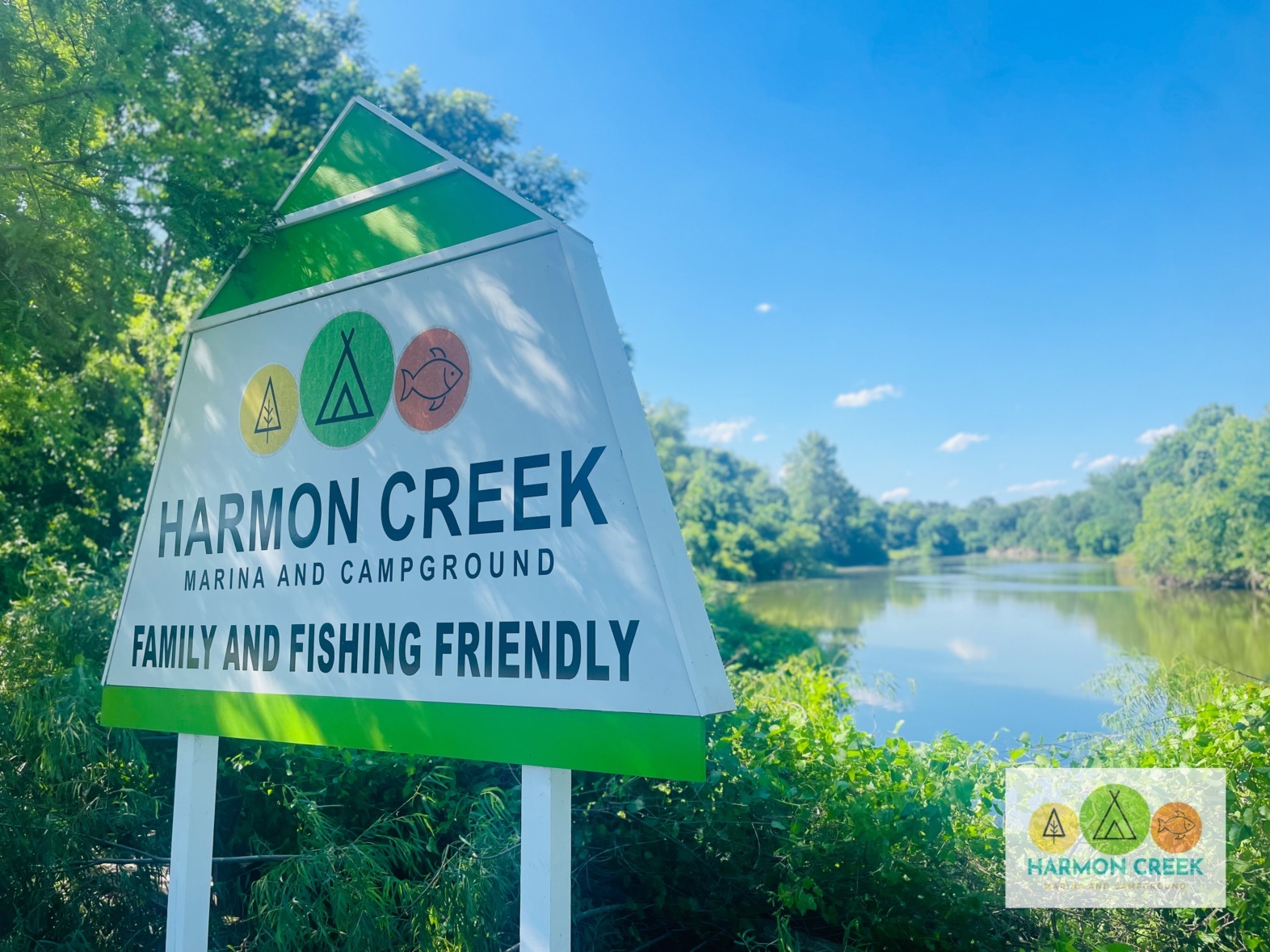
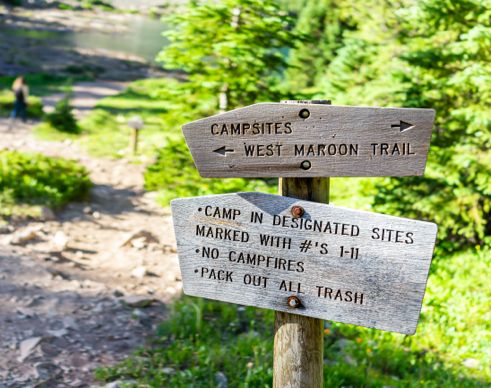
Explore the top campgrounds in Texas when planning your trip to Houston National Forest. Nearby cities like Huntsville and Conroe offer additional private camping near Sam Houston National Forest. Ensure a smooth camping experience by locating dump stations near the forest.
Paid Campgrounds in Houston National Forest
Price: $7 per night
Price: $15 per night
Price: $20–$30 per night
Budget-Friendly Campgrounds
Campgrounds by Lakes and Rivers for Water Activities
Price: $7 per night
Price: $15 per night
Price: $20–$30 per night
RV Rentals Near Sam Houston National Forest
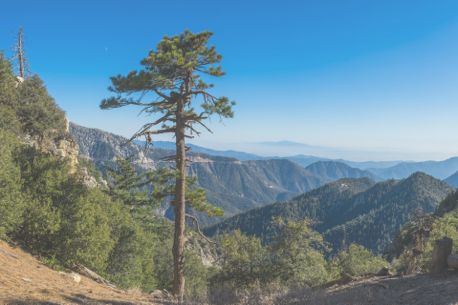
Sam Houston National Forest Hiking Trails
With over 85 miles of trails, Sam Houston National Forest offers a range of options for hikers of all skill levels.
Easy Hikes for Beginners
Distance: 11.62 miles
Difficulty: Easy
Distance: 6.5 miles
Difficulty: Easy
Distance: 7.2 miles
Difficulty: Easy
Distance: 13.1 miles
Difficulty: Easy
Challenging Trails
Distance: 12.11 miles
Difficulty: Moderate to Difficult
Distance: 9 miles
Difficulty: Moderate to Difficult
Distance: 16.77 miles
Difficulty: Moderate to Difficult
Distance: 31.3 miles
Difficulty: Moderate to Difficult
Lakeside Trails
Distance: 9.69 miles
Difficulty: Moderate
Distance: 16.28 miles
Difficulty: Moderate
Distance: 9.38
Difficulty: Moderate
-
Lone Star Hiking Trail
You can access the Lone Star Hiking Trail at many different points. One of the easiest to reach is Lone Star Hiking Trail #2 Trailhead, located off Farm to Market Road 1097, which is near Richards and ends near Cleveland, Texas. This well-marked east-west trail accessible only to hikers has limited drinking water along the way, so you may want to stock up at the Double Lake and Stubblefield recreation areas in Sam Houston National Forest.
Length: 128 miles
Intensity: Moderate
-
Big Creek/Double Lake Trail
The Big Creek/Double Lake Trail follows a section of the Lone Star Hiking Trail. It starts off Farm to Market Road 2666 and runs northwest to the Big Creek Scenic Area. This hilly trail passes the Double Lake Campground and runs to Double Lake where you can rent boats or go for a swim. This trail is a fantastic place to go birdwatching.
Length: 8.5 miles
Intensity: Moderate
-
Winters Bayou Trail
Like most hikes in Sam Houston National Forest, the Winters Bayou Trail is part of the Lone Star Hiking Trail. This segment starts off Farm to Market Road 1725, immediately south of Montaque Church near Cleveland. See palmettos eight to ten feet tall along this trail before reaching the Rivers Creek. You can also see cherry laurel oak trees along this out-and-back trail.
Length: 8.4 miles
Intensity: Moderate
-
Sweetleaf Nature Trail
Park in the Marcel Commons Parking Lot off Farm to Market Road 1488 to begin this trail in the W.G. Jones State Forest. Then, walk up the dirt road to this trail’s starting point. Along this 2.5-mile trail, you will cross several bridges over small streams, one of which is a swinging bridge. This trail that runs through a loblolly pine forest has benches along its length, making for great places to rest while watching butterflies.
Length: 2.5 miles
Intensity: Easy
-
Kelly’s Pond Trail
Kelly’s Pond Trail is near Kelly’s Campground outside of New Waverly. This is a mixed-use trail that runs through a beautiful wooded area until it reaches the pond. Then, it returns to its starting point.
Length: 2.8 miles
Intensity: Moderate
Activities in Sam Houston National Forest
Houston National Forest offers a variety of activities that span from hiking to wildlife viewing.
Hiking and Backpacking:Explore the 128-mile route ofthe Lone Star Hiking Trail through scenic pine forests. For shorter hikes, the Double Lake and Stubblefield Lake Trails offer paths surrounded by lush landscapes.
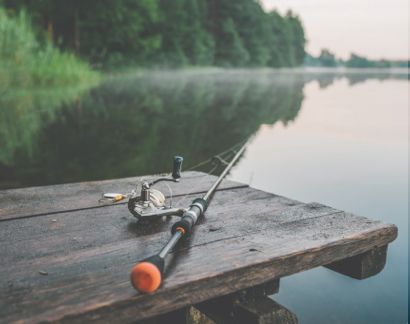
Fishing:Enjoy a peaceful day of fishing at Double Lake Recreation Area, where you can cast bass, bream, and catfish in a serene, stocked lake. Canoes and paddleboats are available for rent. A valid Texas fishing license is required though.
Boating: Enjoy pleasure boating and water sports at Lake Conroe and Lake Livingston. Both lakes provide excellent conditions, with Lake Conroe and southern Lake Livingston offering open waters, perfect for sailing.
Wildlife Viewing:Sam Houston National Forest is a haven for wildlife enthusiasts. Common sightings include deer, squirrels, and quail, while Lake Conroe serves as a wintering habitat for bald eagles. Visitors may also spot the endangered red-cockaded woodpecker, known for its white cheek patches and unique cavity nests in pine trees. These trees support various other forest species.
Multiple-Use Trails:Explore 85 miles of designated multiple-use trails in the Sam Houston National Forest, perfect for hiking, biking, horseback riding, and registered OHVs. These trails offer diverse riding conditions and are the only trails open to OHVs within Texas' National Forests.
-
Identifying Flora and Fauna

You will discover many trees in Sam Houston National Forest that you might expect to find further east in most cases. Tree species include the fringetrees and black, white, and swamp chestnut oak trees in areas where there is good soil. In areas where the ground has a large amount of clay, you will see shortleaf and loblolly pine, dogwood, black gum, white ash, river birch, persimmon, bitternut, and water hickory as well as southern red, willow, and overcup oak trees.
Many of the trees here are shorter than the same species growing in the eastern United States. Scientists theorize that is due to the combination of less water and Texas’ intense summer heat. While some of the trees growing in the forest can be over 1,000 years old, it is common to see trees in this location that are between 200 and 400 years old.
-
Fishing

There are several places to go fishing in the Sam Houston National Forest. Lake Livingston is a fantastic place to go white bass fishing, and you can also catch largemouth bass, catfish, and bluegill. This lake that covers more than 90,000 acres has a maximum depth of 77 feet. Another excellent place to fish is Lake Conroe. As of 2021, the largest largemouth bass ever caught in Texas came from this lake. It weighed 14.1 pounds and was caught under the dam.
-
Geocaching

Traditional geocaches have been hidden along the trails in the Double Lake and Kelly’s Pond Recreational Areas.
-
Nature and Bird Watching

Many people come to Sam Houston National Forest to go birdwatching. Waterfowl, wading birds, songbirds, and woodpeckers can often be spotted. The endangered red-cockaded woodpecker is often seen in this forest. Whenever one is sighted, special care is taken to protect its habitat. Bald eagles often use this national forest during the winter months. In addition to birds, you can see various wildlife, including deer and squirrels.
-
Stargazing

Stargazing at Sam Houston National Forest can be tricky because of light pollution from Houston and its northern suburbs. Consider heading to Cut and Shoot and taking some of the Farm to Market Roads out in the country for better viewing conditions.
How to get to Sam Houston National Forest
Address: 394 FM 1375, New Waverly, Texas 77358
Fee: Entry fee $0
By Car
From Houston, TX : Sam Houston National Forest is approximately 56.2 miles north of Houston via I-45 N. The drive takes about 47 minutes, making it a convenient escape from the city.
From Dallas, TX:Sam Houston National Forest is approximately 175 miles south of Dallas on I-45 S. Under normal traffic conditions, the drive takes about 2 hours and 20 minutes.
By Air
From George Bush Intercontinental Airport (IAH): Sam Houston National Forest is about 47.3 miles away via Hardy Toll Rd and I-45 N. Under normal traffic conditions, the drive takes approximately 40 minutes.
From Dallas Fort Worth International Airport (DFW) : Sam Houston National Forest is approximately 194 miles away via I-45 S, which takes an estimated 2 hours and 35 minutes. Note that this route includes tolls. Take I-45 S to N Fwy Service Rd/I-45 Frontage Rd in Huntsville, then continue to the forest entrance.
Seasonal Restrictions
Certain trails and campgrounds may close during heavy rains or wildfire risks. Always check the forest’s official website for updates before your visit.
Fees and Permits
Entry to Sam Houston National Forest is free, but camping fees may apply except for dispersed campgrounds. Permits are required for group camping, wood collection, and off-road vehicle use.
Frequently Asked Questions About Sam Houston National Forest
Is there a fee to get into Sam Houston National Forest?
No, there is no fee to get into Sam Houston National Forest. However, there are fees for certain day-use areas and recreational activities in the forest. There are also permits required for certain activities like hunting.
Does Sam Houston National Forest offer free camping sites?
Yes, Sam Houston National Forest offers free camping sites. Dispersed camping is allowed throughout the forest, and is free. Campers will need to bring all of their own amenities, and must leave no trace when they pack up camp afterward.
How many hiking trails does Sam Houston National Forest have?
Sam Houston National Forest has 85 miles of multi-use trails for hiking, biking, horseback riding, and OHV riding. Hikers will find every level of trail here, from easy walks to longer treks.
Is Sam Houston National Forest open all year round?
Yes, Sam Houston National Forest is open year-round. The forest has mild weather for winter, so you can probably still do plenty of outdoor hiking and mountain biking. The boat launch area is also open year-round.
What type of wildlife lives in Sam Houston National Forest?
Wildlife in the Sam Houston National Forest includes deer, feral hogs, squirrels, and rabbits. Bears have been gone from the forest for more than 50 years, but there are attempts to lure them back. The forest is also home to a variety of birds, reptiles, and fish.