Sabine National Forest Guide
- Home
- National Forests
- Texas
- Sabine National Forest
Sabine National Forest is the easternmost national forest in Texas. It covers more than 160,656-acres near Hemphill. This forest forms Toledo Bend's boundary, which is the fifth-largest artificial body of water in the United States, and a fantastic place to go fishing. Many excellent mixed-use trails are great places to go horseback riding, hiking, and biking. Despite the many developments around Toledo Bend Reservoir, you can find secluded areas to explore in this forest.
RV Rentals Near Sabine National Forest
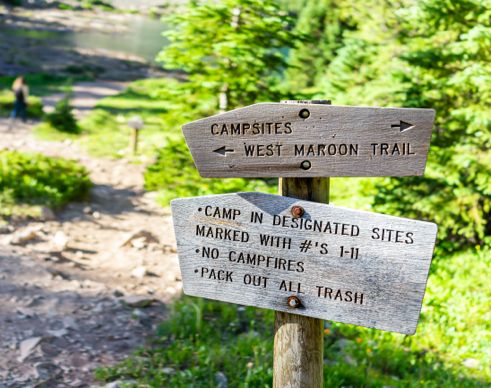
Sabine National Forest Hiking Trails
-
Between the Lakes Trail
Between the Lakes Trail begins at the Lakeview Recreation Area on Toledo Bend Reservoir and runs 28 miles to Sam Rayburn Reservoir's easternmost point. This trail is a great spot to see wood ducks, Pileated woodpeckers, brown-headed nuthatches, and Bachman's sparrows. As you hike, watch for special areas marked off with aqua-green paint and signs as these are particular breeding areas for endangered red-cockaded woodpeckers.
Length: 28 miles
Intensity: Moderate
-
North Toledo Bend State Park Dogwood Trail
The North Toledo Bend State Park's Dogwood Trail is a beautiful place to hike, especially in the spring when the dogwood trees are in bloom. This trail has interpretative signs along it so that you can learn more about these beautiful trees. This is also a fantastic place to watch for songbirds.
Length: 1.5 miles
Intensity: Easy
-
South Toledo Bend State Park Hippie Trail
The Hippie Trail at South Toledo Bend State Park is a wide dirt path through old-growth trees. It offers some views of Toledo Bend Reservoir. This path is a great place to watch for eagles, especially during the winter.
Length: 1.5 miles
Intensity: Easy
-
Lost Arrow Trail
This trail is in Kit McConnico Park in Lufkin, Texas. The trailhead is near the parking lot. This hike in the park's northwest corner is an excellent place for birdwatching, and it crosses several footbridges.
Length: 1 mile
Intensity: Easy
-
Lanana Creek Trail
The Lanana Creek Trail was originally a Native American footpath begins at Liberty Hall on East Main Street in Nacogdoches. It winds its way along the creek through thickets of paw-paw, dogwood, and scarlet blooming buckeye. Consider hiking this trail during the fall to see the beautiful fall colors.
Length: 5.89 miles
Intensity: Moderate
Activities in Sabine National Forest
-
Identifying Flora and Fauna

Most of the trees at Sabine National Forest are American beech or other hardwood trees. You will also see loblolly, longleaf, and shortleaf pine trees along with white oak, southern red oak, sweetgum, and Florida maple trees. Especially in the Matlock Hills region, you will see several plants that are unusual in southeast Texas, including southern twayblade and whorled pogonia orchids. There are at least 42 types of forest herbs that grow in this forest.
-
Fishing

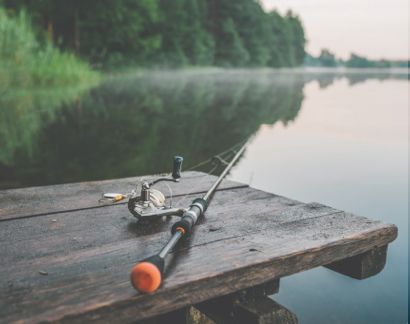
Sabine National Forest borders Toledo Bend Reservoir, where big national bass fishing contests happen. This lake can also be a great place to catch crappie and catfish. Cooler weather often means better fishing at this reservoir. In particular, try fishing during the spring spawning season on the creeks leading to the reservoir's central part.
-
Geocaching

There have been several geocaches hidden at Sabine National Forest. You may still find one in the Indian Mounds Wilderness Area near the rock grotto. Even if it is not there anymore, this is a beautiful area to explore.
-
Nature and Bird Watching

There are many types of birds found at Sabine National Forest. In the winter, this area can be a great place to see bald eagles. These birds often spend their summers in New England, but once the rivers and lakes freeze over there, they become Winter Texans. You will also want to watch for the red-cockaded woodpeckers that nest in this forest. These small woodpeckers have short straight beaks. They are black and white with strong horizontal color banding.
-
Stargazing

While light pollution is not as bad as in a city, the developments around Toledo Bend Reservoir make it challenging to see all the stars. Nonetheless, there are great places to go stargazing in this forest. Consider stargazing as far away from the water as possible as there are fewer artificial light sources there.
How to get to Sabine National Forest
Address: Sabine National Forest headquarters, 5050 Texas 21, Hemphill, Texas 75948
Fee: Entry fee $0
Sabine National Forest is the smallest of Texas' four national forests, but you can find many amazing adventures there. The area's warmer temperatures make it a great place to watch bald eagles in the winter. As the weather warms up, bring your fishing pole to fish in Toledo Bend Reservoir, which borders this national forest. You will also want to go hiking to see if you can spot the endangered woodpecker that uses this national forest to build its nests. Fall is a fantastic time to visit as the oak and beech trees put on their beautiful fall colors. Regardless of the season, the best way to explore Sabine National Forest and the surrounding attractions is in an RV. If you do not have one, rent one on RVshare.com.
Frequently Asked Questions About Sabine National Forest
Is Sabine National Forest open all year round?
Yes, Sabine National Forest is open year-round. Winters in the forest are mild, and are a great time to watch for bald eagles in the forest. In summer, visitors can swim, hike, bike, fish, and enjoy other outdoor activities.
Do you need a permit to fish or hunt in Sabine National Forest?
Yes, you need a permit to hunt in Sabine National Forest. If you're 16 or older, you also need a fishing license to fish in the forest.
What type of wildlife lives in Sabine National Forest?
Wildlife living in the Sabine National Forest includes deer, squirrels, woodcocks, wild turkeys, and quail. Bears have been seen in East Texas in recent years as well and there are thoughts that they are migrating back towards areas like the Sabine National Forest.
What is the best time to visit Sabine National Forest?
The best time to visit the Sabine National Forest is in early spring and fall. In spring, wildflowers are in bloom, making for beautiful hikes. In fall, the trees show off their autumn foliage. Both seasons also avoid the summer crowds so they are more pleasant times to camp and visit the forest.
Is there a fee to get into Sabine National Forest?
No, there is no fee to get into Sabine National Forest. There may be fees for using certain day-use areas in the forest, however. There may also be fees for recreational activities like camping, and permits are required for other activities like hunting and fishing.


Related
RV Rentals Near BEYONDER Resort Cajun Moon RV Rentals Near Sanders Cove RV Rentals Near LaBelle RV Park RV Rentals Near Dot's Mobile Ranch RV Rentals Near Lakeland RV Ranch RV Rentals Near East Lucas RV Park RV Rentals Near Cedar Cove RV Resort RV Rentals Near The Gates At McNeese RV Rentals Near Port Arthur RV Resort RV Rentals Near Kershaw’s Cajun Village Lake Charles Explore Local With RVshare Sea Rim State Park RV & Campground Guide RV Rentals Near Hidden Cove Park & Marina RV Rentals Near Cooling Springs RV Resort RV Rentals Near Pearls Landing - Cameron, LA RV Rentals Near Bolivar Peninsula RV Park Hot Springs National Park RV Rentals Near Inspire Communities Sweet Gum RV Rentals Near Vinton RV Park, Vinton, Louisiana Village Creek State Park RV & Campground Guide RV Rentals Near Crankbait Cove RV Park, Zavalla, Texas RV Rentals Near Bluebonnet Cove Casitas and RV Park RV Rentals Near Boomtown USA RV Resort RV Rentals Near Hackberry RV Park, Hackberry, Louisiana Big Thicket National Preserve