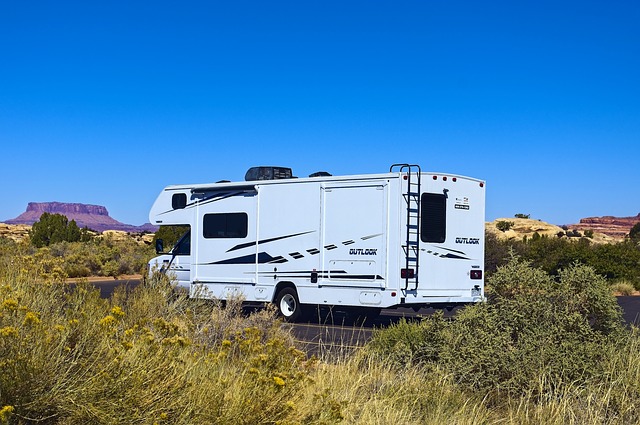
Purchasing an RV can be stressful! In fact, other than buying a home, it’s probably one of the biggest personal purchases you’ll ever make. When you consider that some RVs even cost as much as homes, it’s no wonder you may be nervous researching RV financing.
This article will look into common mistakes and ways to avoid bad RV financing so you can make the best choice for you and the RV you want to purchase.
How to Avoid Bad RV Financing
The last thing you want to do when buying something so expensive is to find yourself saddled with a high-interest loan, or an RV that costs much more than you planned to spend. It’s important to sit down before you even begin looking at motorhomes and determine a few things.
How much can you afford? What monthly payment can you actually make? What do you need in an RV, and are your requirements realistic for your budget? If you’re not sure what to expect to spend on an RV, do some searching online first. Look up the manufacturer’s price for models you’re interested in. Check Craig’s List and other forums – not to buy, but just to get an idea of what people are asking for these vehicles. Talk to people who own RVs to see if you can get a basic understanding of the costs that go along with them.
RV & Motorhome Financing Mistakes
There are some common mistakes that can lead to bad RV financing. In fact, a lot of times, the mistakes that lead to bad financing for RVs are often the same as those that lead to bad financial decisions for any large purchase. The good news is that since these errors are the same across the board, you can use the same principles to avoid them.
Avoid impulse buys
Remember the work you did above, where you wrote down what you wanted in an RV and how much you could afford? That was to keep you from an impulse buy. If you find an RV that has well above what you need … or want to pay for … in a rig, move on!
When you are planning your purchase, also remember to account for the extra expenses that come with owning an RV. Along with monthly payments on your vehicle, you’ll need to have money for routine maintenance, insurance, campsite fees, gas, other travel costs, and storage if you don’t have your own space to keep it. Will you need to buy bedding or dishes or decor? Does the RV you’re looking at need any work, and can you afford that? Be brutally realistic about your budget and don’t brush off any costs to worry about later. It’s much better to wait until you have the funds in place than to purchase something without a plan to pay for it.
Have a down payment
You get a much better interest rate on a loan if you can put some money down up front. In fact, most lenders require a down payment. The amount you’ll need to put down varies depending on your lender, but 10-20% is typical, and having 20% of the purchase price is ideal. Putting down more money up front will keep your monthly payments lower, and could get you a lower interest rate as well. It will also mean your overall loan will be smaller.
Have a good credit score
People with good credit get better loans. In fact, because an RV is a luxury and not a necessity, you’ll need an even higher credit score than the average person. You’ll ideally want a credit score of above 700 if you’re looking for an RV loan. If you have a lower score, you might still be able to secure financing, but you’ll likely have a higher interest rate. You can improve your credit score by paying your bills on time and lowering the rest of your debt, especially credit cards.
Consider used RVs
Unlike houses, vehicles, in general, depreciate from the moment you drive them off the lot. A used RV that is in great shape and is a good quality motorhome will likely cost much less than a brand-new one. Or, the owner may have put upgrades or modifications, making a used RV even better than a new one. Take the time to consider used RVs and to know what they are worth. Try some out and rent one right here on RVshare. It’s a great way to try out various motorhomes and trailers and see exactly what you want for your own vehicle. (But when you do go out to buy one, use our tips to avoid getting a lemon!)
Don’t be afraid to negotiate
Just like when you buy a car, the price of an RV is almost always negotiable. Whether you’re buying a brand new vehicle or a used one, talk to the dealer or seller and see if you can work out a deal. This is where your research will help. Know how much the vehicle is worth, and be able to make your case for why you’re haggling. You’ll be much more likely to get the price down if you can make a convincing argument.
Shop around
Shop around for RVs and see if the one you want is available elsewhere for less. But also shop around for your financing. It’s possible you won’t get the best interest rate and financing from the RV dealer, and you may want to check with your bank or another lender to see if you can get a better deal there.
How Does RV Financing Work?
There are several RV financing options, so you’ll want to do a little poking around. Depending on factors such as your credit score, job situation, and more, you may find that one loan works better for you than another. Check out our deep dive into RV financing, and consider these options:
- An RV loan: An RV loan is a secured loan using the RV you purchase as collateral. The bank owns the title of your RV until your loan is completely paid off, usually in 10-15 years.
- A home equity loan: A home equity loan uses your home as collateral rather than the RV. You need to have enough equity available in your home for this, so it will likely only work for you if you’ve been in your home for a while. Some people call a home equity loan a second mortgage, assuming you already have a mortgage on your home. Home equity loans typically have the best interest rate and repayment terms, often needing to be repaid in 10-15 years.
- A personal loan: Personal loans don’t require collateral, which means they usually have a higher interest rate, and the repayment terms are shorter. Both lenders and borrowers tend to be wary of personal loans because the risk on both sides is greater. Usually, personal loans must be repaid in five years or less.
Getting an RV Loan With Bad Credit
If you have bad credit, and you’re working on bringing it up but still want to buy an RV, you have a few options. You’ll want to start by making payments for all of your obligations on time, and watching your spending. You’ll also want to check your credit score, so you know exactly what you’re dealing with. You can get a free copy of your report from each of the three national reporting agencies once a year – Equifax, Experian, and TransUnion. Many banks and credit card companies also have programs where you can view your credit score as one of the perks of being a customer.
Begin paying down your credit cards as well. The lower your credit card balances, the better your credit will be. Don’t make any other major moves regarding credit cards – don’t open any new accounts, but also don’t close any accounts. If you have some accounts with a zero balance, it actually improves your credit score because the amount of credit available to you versus the credit you have used improves.
You’ll also want to start saving for a down payment. The more money you can come into the transaction with, the better your loan will be.
If you do have poor credit, you’ll also want to spend more time shopping for a loan – perhaps two months or more. Check with your bank, local credit unions, RV dealers, and look around online to see what options are available. As you look for a loan, keep your inquiries within a 14-day span. Drawn-out loan inquiries can make it look like you’re trying to take out several loans at once, which can negatively impact your credit score. A short time period with several inquiries is more likely to be recognized as applications for one loan.
Finally, if you get a high-interest RV loan with bad credit, plan on continuing to improve your credit and make those loan payments on time. If you can improve your score over the next year or so, you may be able to refinance your loan at a much lower interest rate.
Lenders That Offer RV Loans to People With Bad Credit
The following lenders may offer loans to people who don’t have stellar credit scores.
| Lender/Option | Credit Score Requirement | Down Payment | APR/Interest Rate | Income/Employment Requirements | Pros | Cons |
| My Financing USA | As low as 550 | 10% required | Up to 24.99% | Not specified, but past bankruptcies are okay | Specializes in bad-credit RV loans; accepts bankruptcies | Very high interest rates |
| Southeast Financial | As low as 575 | Not specified | Not specified | Stable employment and $20,000+ annual income help approval | Works with low-credit borrowers; flexible online lender | APR not listed; may require stronger income proof |
| Credit Unions | Varies by institution | Varies | Usually lower than banks | Must be a member | Better rates and more personal service | Membership required; may have stricter underwriting |
| Banks | Typically higher than 600 | Varies | Moderate | Existing relationship can be helpful | Convenient if you already bank there | May deny poor-credit applicants |
| Dealership Financing | Varies | Often low or none upfront | High rates and potential fees | Based on dealership terms | Easier approval; one-stop convenience | Expensive; short repayment windows and hidden costs |
When you are doing your research before deciding on your RV and finding financing, be sure to try some out. Renting an RV with RVshare is a great way to decide what you like and what you don’t in a motorhome, and can help you winnow down your list of needs and wants when you’re shopping. And frankly – it’s just plain fun! It’s not often that research involves going on a vacation for a weekend or so. Have a good time, enjoy the RV you rent, and keep a list of the pros and cons of the vehicle to help when you’re shopping for your own.