Buying a used RV is one of the smartest ways to get the rig you want without suffering the steep depreciation that hits a new RV the moment it leaves the lot. But used RV purchases come with real risks like water damage, hidden rot, failed systems, and deferred maintenance, which can turn a bargain into an expensive nightmare. This guide walks you through every step of the inspection and shares what to look for, and how to make sure you pay a fair price.
Used RV Inspection At A Glance
| Inspection Area | What You’re Looking For | Red Flag |
| Ceilings | Brown spots, bowing, soft areas | Any water staining or sag |
| Floors | Soft or spongy spots, especially near kitchen/bath | Give underfoot, discoloration |
| Walls | Brown spots, mold, soft spots inside and out | Any flex or failure to spring back |
| Roof | Cracked or blackened caulk, soft spots | Old or missing sealant at any seam |
| Storage bays | Rotted wood trim, damp smells, soft floors | Squishy spots or musty odor |
| Electrical | All lights, fans, appliances functioning | Anything dead on battery or shore power |
| Propane | Stove, oven, furnace, fridge all light | Failure to light after bleeding lines |
| Water system | No leaks at faucets, toilet, or under sinks | Dripping, soft floors near plumbing |
| Tires | Adequate tread, no cracking or damage | Worn tread or sidewall cracking |
| Exterior trim | Clean screws with no rust or corrosion | Rust under trim at wall seams |
Why Buying Used Makes Sense — and What to Watch For
New RVs depreciate significantly the moment they leave the lot. Letting someone else absorb that hit can save you thousands. But used RV purchases require diligence. Water damage is the most common and most costly hidden problem, and it’s often invisible until you know where to look. The inspection process below is thorough by design — every step matters.
Never Buy Sight Unseen
If you can’t see the RV in person before you make the transaction, or worse, if the seller won’t allow you to take a thorough walk-through, walk away. It may seem like a good deal, but unless you take a closer look, you’ll never truly know if you’re getting a good vehicle or a lemon.
How to Inspect a Used RV: Step by Step
- Look Very Carefully for Signs of Mold
Mold inside an RV almost always means leaks or water problems — even when there’s no obvious visible damage elsewhere.
– Check ceiling corners, floor corners, and wall seams throughout the rig.
– Open every cabinet, closet, and under-bed storage compartment. Shine a flashlight in all four corners.
– Use your nose. Musty odors are often the first sign of a mold problem.
– Feel the temperature inside cabinets and closets. If they feel noticeably warmer than the rest of the RV, mold may be growing inside. - Inspect Every Inch of the Ceiling
Look for brown spots, which are the most visible sign of a water leak, as well as any areas where the ceiling is bowing or pulling away from the wall. A damaged ceiling can be repaired, but it often exposes additional problems underneath. On a rig with extensive water damage, repairs are rarely worth the cost.
- Check All the Floors
Pay particular attention where the floor meets the walls. Brown spots are a bad sign anywhere. More importantly, walk the entire floor and press down firmly in different spots — particularly near the kitchen and bathroom where water use is heaviest. You might even want to jump up and down. The floor should feel solid and stable everywhere. Any give or sponginess indicates rot.
- Test the Walls
After examining all of the walls for brown spots, mold and mildew spots, and soft spots, push them with a fair amount of force. Do this on the interior and exterior walls all around the RV. The interior wall panels may move a bit, but there really shouldn’t be too much give, and you should see the panel pop back into place. The exterior walls should not give much at all, except on the sides of some slideouts.
- Look Under the Exterior Trim
The seams where exterior walls meet are typically covered by a strip of trim. Take the time to look under it. Any rust or corrosion on the screws beneath is a sign that water is beginning to penetrate. Clean, painted screws indicate the rig has been keeping water out.
- Inspect Every Storage Bay
Sometimes the biggest issues can be hiding away in the RV’s storage bays. Open every single bay and look inside. Look around the edge of the door trim for rotted-out wood, and feel the floor and the walls inside the bays for squishy spots. It’s also a good idea to stick your head all the way inside and sniff for damp or moldy smells.
- Thoroughly Inspect the Roof
Look at all of the caulking on the roof to make sure everything is sealed tightly. You’ll want to look not only around the skylights and vents, but around the entire perimeter of the RV where the roof meets the sides, along the side seams, and along the seams where the storage bays and other accessories meet the wall. Old, blackened, crumbling, or moldy caulk could be a sign that water is getting in and creating a lemon of an RV. If the RV has a built-in ladder, the roof is likely walkable — walk it carefully and press down in multiple spots to check for soft areas. If there’s no ladder, bring your own and use your hands to press and probe from the edges.
- Crawl Under the RV
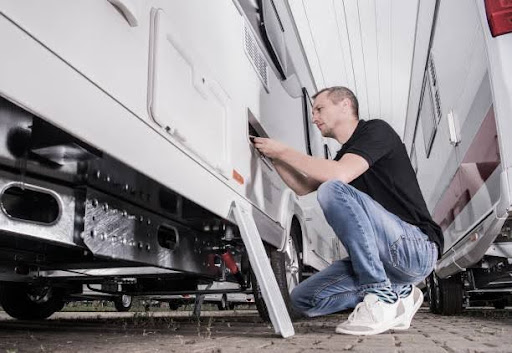
Wear clothes you don’t mind getting dirty and get underneath the rig. You’re looking for dripping water, fluid leaks (on motorhomes), damage from past tire blowouts, or an opened underbelly that indicates a previous leak repair. None of these is an automatic deal-breaker, but all deserve further investigation.
- Test the Electrical System
Start on battery power — test all lights and vent fans. Then plug into shore power and test every electric appliance: refrigerator, microwave, air conditioner, and electric water heater. Ask the seller to pre-heat the fridge and water heater before you arrive so they’re fully operational by the time you get there.
- Run the Propane System
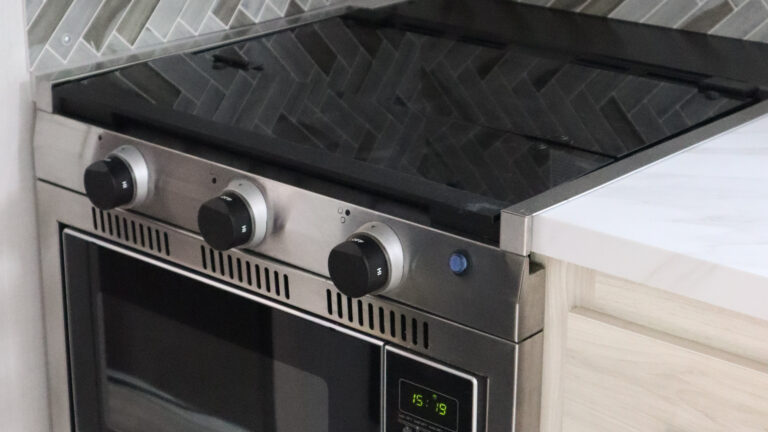
With the propane tank open, light the stove and oven. Once you’re sure those work, turn the fridge and water heater to gas mode (if available). You’ll be able to tell the fridge and water heater are working in gas mode when you see a small flame in the burner tube behind the panel located on the outside of the RV behind each appliance. Then run the propane furnace: the fan should kick on, the furnace should light, and warm air should flow at the vents.
Note: propane lines that haven’t been used in a while may need to be bled first. Hold the stove knob in “light” mode until the gas flows and the burner lights. - Check the Water System
Confirm there’s water in the fresh tank, then run each tap and flush the toilet using the water pump. Shut the pump off, connect to city water, and repeat. Go back outside and check under the RV for any new drips, and check under the sinks and behind the toilet for leaking lines.
- Run the Generator
If the RV has an onboard generator, run it. Make sure it starts up easily and continues running without surging. Once it’s running, use appliances, outlets, and other electrical components to be sure it is providing power properly.
- Go for a Test Drive
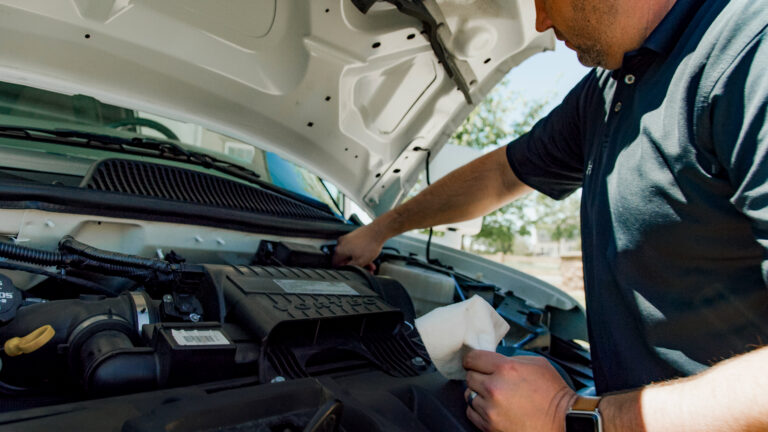
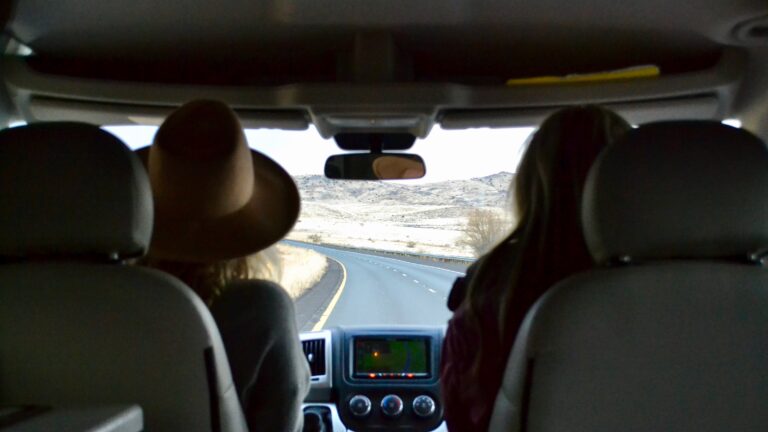
Always take a motorhome for a test drive before buying. You’re not just evaluating whether it drives — you’re listening for unusual noises, feeling for vibrations, and noticing any smells that shouldn’t be there. If anything seems off, have a mechanic evaluate it before proceeding. While you’re at it, look under the hood. Check for leaks, unusual sounds, and strange smells. Heavy dirt accumulation under the hood is often a sign of poor maintenance. A well-maintained engine gets worked on regularly and doesn’t stay dirty.
- Check the Tires
RV tires are expensive. Inspect every tire for tread depth, sidewall cracking, and signs of uneven wear or damage. If the tires are due for replacement, factor that cost into your offer — or ask the seller to reduce the price accordingly.
- Get a Professional Inspection
Even a thorough personal inspection misses things, especially if you don’t know what to look for. A certified NRVIA inspector evaluates every system from roof to chassis and provides a detailed written report you can use to negotiate — or to walk away with confidence.
In 2026, most professional pre-purchase RV inspections range from roughly $400 to $1,500, depending on RV type, size, and how comprehensive the report is. Travel trailer inspections generally cost $350–$600; motorhomes and larger rigs cost more. That fee is a fraction of what a missed water leak, electrical fault, or structural issue could cost you after purchase, though. Find a certified inspector through NRVIA.org.
Understand What the RV Is Worth Before You Negotiate
Don’t agree to any price without knowing what the rig is actually worth. Use J.D. Power’s NADA Guides as your baseline — enter the year, make, model, and condition to get a suggested retail range. After getting a baseline from NADA, check active listings on RVTrader and RVT.com to see what similar rigs are actually selling for, and look at Facebook Marketplace for local pricing trends. Combining all three gives you real negotiating leverage and protects you from overpaying.
Try Before You Buy
If you’ve never RVed before, rent before you buy. Renting helps you confirm RVing is actually the lifestyle you want, clarifies what features and floor plans work for how you travel, and gives you a reference point for what a well-maintained rig looks and feels like — so you have something to compare potential purchases against.
Key Takeaways
- Never buy a used RV sight unseen, and never from a seller who won’t allow a thorough inspection. A good deal isn’t a good deal if you can’t verify what you’re buying.
- Water damage is the most common and most costly hidden problem in used RVs. Inspect ceilings, floors, walls, storage bays, and the roof methodically — brown spots, soft areas, and musty odors are all warning signs.
- Test every system before committing — electrical on both battery and shore power, propane stove/oven/furnace, water pump and city water, and the generator if equipped. Don’t skip any of them.
- Always get a professional inspection after your own walkthrough. Professional pre-purchase inspections currently run $400–$1,500, depending on RV type and scope — a small investment compared to the cost of major undiscovered problems.
- Use NADA Guides (now operated by J.D. Power) as your pricing baseline, then cross-reference with RVTrader, RVT.com, and Facebook Marketplace to confirm what similar rigs are actually selling for in your area.
- High mileage isn’t automatically a red flag — a well-maintained high-mileage rig is often a better buy than a low-mileage one that sat unused for years.
- If you’ve never RVed before, rent before you buy. It’s the best way to confirm you’re choosing the right class and floor plan before committing to a purchase.
Frequently Asked Questions About Buying a Used RV
Prioritize water damage above everything else. Inspect ceilings, floors, walls, storage bays, and the roof for brown spots, soft areas, and musty odors. Also test all systems: electrical, propane, water, and generator. Get a professional inspection before finalizing any purchase.
In 2026, professional pre-purchase inspections typically run $400–$1,500, depending on RV type, size, and inspection scope. Travel trailer inspections are generally less expensive than motorhome inspections. Find a certified inspector through NRVIA.org.
To find out what a used RV is worth, start with NADA Guides (operated by J.D. Power). They’ll give you a baseline value based on your RV’s year, make, model, and condition. Compare these against active listings on RVTrader, RVT.com, and Facebook Marketplace to see what similar rigs are actually selling for in your area.
It is a significant risk to buy a used RV without a professional inspection. Even experienced buyers miss things without professional tools like moisture meters, thermal cameras, and propane pressure gauges. A missed roof leak or structural issue can cost far more than the inspection fee to repair.
Water damage is the biggest problem with used RVs. Failed roof seals, deteriorated window gaskets, and leaking slide-out seals allow moisture intrusion that destroys walls, floors, and substructure over time — often invisibly until the damage is severe. Regular roof inspection and sealant maintenance is the most important factor in any used RV’s long-term condition.
Yes, you should rent an RV before buying one … especially if you’re a first-time buyer. Renting lets you confirm you enjoy the lifestyle, helps you identify which features and floor plans actually work for how you travel, and gives you a baseline for what a quality rig looks and feels like.
Ready to Try Before You Buy? Browse RV rentals on RVshare and rent the class you’re considering before committing to a purchase. It’s the best research you can do.