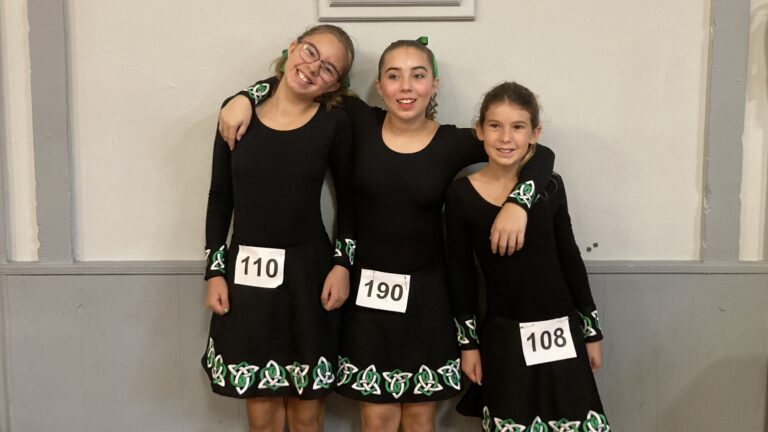
One of the biggest challenges we face as full-time RVers is finding ways to keep our kids involved in extracurricular activities on the road. Sure, they have their usual roadschool curriculum, but when it comes to things like sports, dance, and clubs, things can get a little bit tricky.
In this article we will discuss some of the ways we have tackled this problem, as well as some of the ways we’ve seen others solve it.
Define Your Interests and Goals
Because getting involved in extracurriculars as a roadschoolers is tricky, it is extra important that you choose the classes and clubs you join wisely.
Before you sign your kid up for any particular activity, make sure to ask the following questions in order to ensure it’s the right activity for them:
- What types of activities are most important to us as a family and as individuals?
- Are we looking for academic enrichment? Physical activity? Creative expression?
- Do we want group-based experiences or independent pursuits?
- Are we aiming for structured, competitive, or more casual involvement?
Knowing the answers to these questions going in will help ensure you choose the right set of extracurricular activities to compliment your roadschooling experience.

Examples of Extracurricular Categories
Not sure what sorts of extracurriculars your kids might enjoy? It might help to narrow down your options.
Below is a list of some of the most popular types of extracurriculars. Determine what type of activity you’re looking for and then you’ll be able to dive into your search with more confidence:
- Academic: Robotics, coding, debate, science clubs
- Artistic: Theater, dance, music, photography, visual arts
- Athletic: Team sports, martial arts, swimming, hiking clubs
- Social/Leadership: Scouting, volunteer work, student councils
- Special Interests: Chess, Dungeons & Dragons, survival skills, foraging, language learning
As an example, I know that my kids are not into sports and that they much prefer artistic endeavors and certain special interests. Knowing this helps lead me in the right direction as I search for activities for them as we travel.
Use Nationwide and Online Programs Designed for Flexibility
Because we’re always on the move, it helps a lot to find nationwide programs that allow my kids to participate in a particular club or activity no matter where we roam. There are a number of great options for this.
4-H
Known for agriculture and STEM, 4-H also offers virtual clubs and nationwide project-based programs. Many counties allow traveling families to participate in-person temporarily.
We haven’t tried this ourselves, but have known other RVing families that participate in 4-H activities as they travel.
Scouts BSA & Girl Scouts
Some councils support flexible or traveling members. Lone Scouts is a program designed for those who can’t participate in traditional troops due to travel or remote living. This is something we will likely sign our son up for in the fall.
YMCA/YWCA
With locations across the country, many YMCAs allow drop-ins or short-term class enrollments for swim, dance, martial arts, and more. This is an excellent option, especially since you can also take advantage of the childcare and showers offered at most locations.
Online Lessons
Another great option? Online classes and lessons. We love our online classes because we can attend them consistently, even as we hop from place to place.
Outschool is my personal favorite platform for online classes, and my son has taken a number of classes there. That said, there are other options, including SuperProf and iD Tech.
Tap into Local Opportunities in Each New Destination
Occasionally, we will stay in one location long enough to sign up for local activities. This might mean attending a one-day workshop, a week-long summer camp, or even a whole semester of classes or a season of one sport or another.
No matter how much time you have to commit, there are a number of places to look for local extracurriculars. Some of my favorites:
- Public Libraries: Many libraries offer free activities such as book clubs, craft days, LEGO builds, and game nights.
- Parks & Recreation Departments: I love parks and rec departments! They frequently offer sports leagues, art classes, and workshops for a very fair price. Just be aware that you may be charged a non-resident fee.
- Community Centers: Many community centers host music classes, youth nights, yoga, and dance. They may allow short-term drop-ins.
- Church Youth Groups: Church groups are almost always open to visitors and offer social and volunteer opportunities.
- Community Theaters: Community theaters tend to be very welcoming places. If you’ll be in one place for a few months, consider doing a show!
- Private Studios or Academies: Dance, martial arts, and art studios will sometimes offer short-term packages or even free trial weeks, especially if you reach out to explain the situation.
Not sure a particular activity will work for you? As mentioned above, it helps to call or email to explain your unique situation.
Many instructors and coordinators are happy to work with RV families if you’re transparent about your timeline and respectful of their structure. We’ve gotten to join a number of classes on a short-term basis this way.

Search Smart with the Right Tools
Of course, you have to find the right activities in order to participate in them. There are certain places we like to search to discover events and activities by date and location. This way, we can plan our route around events, workshops, or ongoing extracurricular opportunities.
Facebook Groups
Facebook is the first place I turn for finding extracurriculars. Searching “Homeschool [City/State]” often comes up with homeschool groups that host activities in the place we’re visiting.
Eventbrite and Meetup
Eventbrite and Meetup can also be useful, particularly if you’re looking for one-time workshops and events. These events do usually cost money, but sometimes they are pretty awesome!
Campgrounds with Programs
Some RV resorts offer youth clubs or camp-style programming during peak seasons. Usually, the resort website will give information on upcoming activities. We particularly like the Thousand Trails network for these sorts of activities, as there are almost always other RVing families participating, meaning we can make friends.
Of course, Google is also super helpful. You can search for classes in a particular location. This is also a good way to find libraries and community centers, so you can check their calendars for offerings while you’ll be in the area.
Join Nomadic Communities for Consistent Activities
There are also large, organized groups specifically designed to help RVing families build community, and which offer ongoing extracurricular opportunities. These kinds of groups are ideal, as they cater specifically to our unique situation.
Fulltime Families is one of my favorite groups for this. This group offers rallies, co-ops, traveling clubs, and even scouting-style programs. They also run seasonal events and youth programs. We also love the Republic of Nomads, which is a newer but lovely organization that hosts rallies and other events for RVing families. Finally, I must mention the Worldschoolers group on Facebook, which also hosts meetups.
These networks provide both in-person and online extracurriculars and help create long-term friendships across state lines.
Build Your Own Activities on the Road
Can’t find the kind of program you’re looking for? You could always create your own. This is something I’ve done on multiple occasions and it’s always a fun time.
Some ideas for DIY extracurriculars on the road include the following:
- Pop-up art or drama workshops at campgrounds or rest stops
- Weekly book club using audiobooks during travel time
- Peer-to-peer chess tournaments or D&D campaigns with other traveling families
- Volunteer projects organized as you travel—trail cleanups, beach trash pick-ups, etc.
- Family science or history nights based on local museums, parks, or historical sites
I recommend traveling with some nomadic friends so there are always friends at your activities, but make sure to invite other travelers to the fun as well.
Consider a Seasonal Base for Specialized Activities
If your child is passionate about a particular competitive sport or performing art, it may make sense to stay in one location for a longer stretch. This is actually something we’re doing right now in order to allow our son to participate in community theater.
Many families will spend 8–12 weeks in one city so their children can participate in a local play, season of soccer, or dance recital. We’ve also known people to return annually to the same summer camp, dance academy, or youth music conservatory.
One big benefit of this is the fact that you can choose destinations that align with your goals. For example, you could stay near a city with an advanced robotics team or high-level swim club, something you may not find everywhere.
Keep a Portfolio or Transcript
Have a kid who plans to attend college? Extracurricular involvement will help them as they seek out the perfect school. Make sure to keep a portfolio showing all of the cool extracurriculars your kiddo has participated in.
You’ll want to include:
- Activity name and duration
- Photos or videos of performances, events, or projects
- Certificates or letters of recommendation
- A log of hours and skill progression
- Reflective writing or personal blog entries
Use apps like Homeschool Planet, Trello, or even Google Drive to document everything in an organized format. Colleges, scholarship programs, and future employers will appreciate seeing consistency, initiative, and creativity.
If there’s one thing we’ve learned on the road, it’s that flexibility is key when living the RV life. That applies to extracurriculars too. You may not get the same traditional experience as staying in one place, but what you gain is often more valuable: adaptability, resourcefulness, and exposure to a variety of mentors and experiences.