Shoshone National Forest Guide
- Home
- National Forests
- Wyoming
- Shoshone National Forest
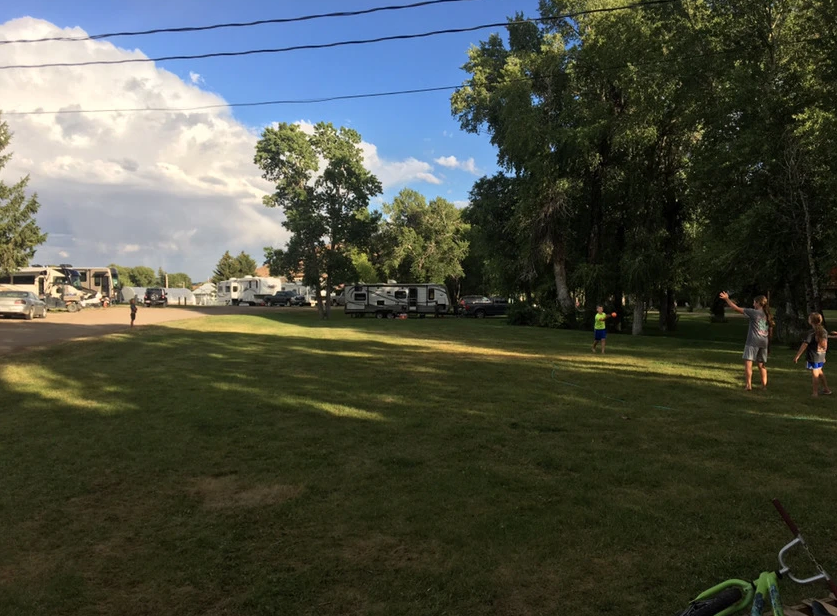
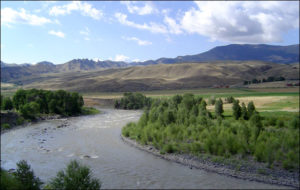
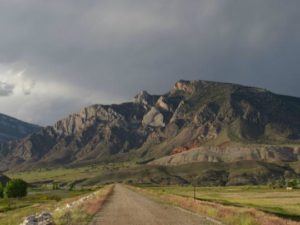
Shoshone National Forest, located in northwest Wyoming, spans nearly 2.4 million acres and is bordered by Yellowstone National Park to the west. This stunning forest features diverse landscapes, including rugged mountains and serene alpine lakes, making it a prime destination for outdoor enthusiasts. Key attractions include the Absaroka and Wind River mountain ranges. The optimal visiting time is summer for hiking and camping, while the winter months offer snowmobiling and skiing opportunities. Shoshone National Forest is divided into five campground areas — Beartooth Plateau, Cody, Dubois, Lander and Meeteetse. For RV camping, notable campgrounds include Wapiti Campground and several first-come, first-served sites along the North Fork of the Shoshone River. Free camping options can be found in dispersed areas throughout the forest. The region offers breathtaking views, fishing spots, and access to numerous hiking trails, making it ideal for RV travelers seeking adventure amidst nature.
Camping in Shoshone National Forest
Interested in Shoshone National Forest RV camping? The forest provides diverse camping experiences suitable for various preferences and budgets, ensuring a memorable outdoor adventure. You can also explore campgrounds around the forest for camping near Shoshone National Forest. Here are some notable options:
Campgrounds in Shoshone National Forest
Starts $30 per night
Price: $20 per night
Louis Lake Campground
$15 per night
Fiddler’s Lake Campground
$20 per night
Big Game Campground
$15 per night
Dead Indian Campground
$15 per night
Private Campgrounds near Shoshone National Forest
Check the top campgrounds in Wyoming before planning your trip to Shoshone National Forest. Find the best camping places, hiking trails, and budget-friendly camping options. In addition, you can find RV dump stations nearby. If you are looking for alternative campgrounds near Shoshone National Forest, check out these popular BLM sites in Wyoming.
Campgrounds by Lakes/Rivers
$15 per night
$20 per night
Budget-friendly Campgrounds Outside of Shoshone National Forest
$15 per night
$15 per night
RV Rentals Near Shoshone National Forest
Shoshone National Forest Hiking Trails
Explore the diverse hiking trails in Shoshone National Forest, ranging from easy walks to challenging treks.
Easy Hikes for Beginners
Distance: 0.1 miles (0.2 km)
Difficulty: Easy
Distance: Approximately 3.3 miles
Difficulty: Easy
Challenging Hiking Trails
Distance: Approximately 9.4 miles
Difficulty: Hard
Distance: Approximately 14.8 miles
Difficulty: Hard
Lakeside Trails
Distance: Approximately 4.3 miles
Difficulty: Moderate
Distance: Approximately 2.5 miles
Difficulty: Moderate
-
Popo Agie Falls Trail
The Popo Agie Falls Trail wanders up the middle fork of the Popo Agie River. It is an in-and-out trail that seeks a magnificent waterfall. For those wanting a more aggressive hike, the pathway continues for miles to the Continental Divide Trail.
Length: 3.3 miles
Intensity: Easy
-
Glacier Trail
The Glacier Trail is a grueling approach to Gannett Mountain. The pathway ends at a traditional location for rock climbers to attempt a summit approach. Hikers walk through forests, along grass-rich mountainsides, and over creeks to get to this site. The views of the surrounding countryside are unique, and the lakes are rich with fish.
Length: 25 miles
Intensity: Difficult
-
Silas Lake Trail
The Silas Lake Trail is an in-and-out pathway that follows Silas Creek into the mountains to its source at Silas Lake. Along the path, you come across several breathtaking views of mountains and ridgelines. Be aware that the route crosses several creeks without the advantage of bridges, so wear the appropriate footwear.
Length: 6.9 miles
Intensity: Intermediate
-
Bridal Veil Falls Trail
The trail to Bridal Veil Falls takes advantage of old forest service roads. The Morrison Jeep Road serves as a pathway for about a mile before turning north onto a marked trail. The hike is easy until the last portion, which is steep and requires some agility to climb. Those who make the climb get a fantastic view of Bridal Veil Falls from a low point where the trail ends.
Length: 3.9 miles
Intensity: Intermediate
-
Beauty Lake Trail
You can drive most of the climb to Beauty Lake by traveling the road to Beartooth Pass. Once there, you find the trail to Beauty Lake, which takes you around a small lake, across a stream, and through a meadow. Beyond the meadow, you find a river on the right with some lovely waterfalls. The river leads you directly to Beauty Lake, where you find fantastic fishing and outstanding views of the surrounding mountains.
Length: 3.9 miles
Intensity: Easy
Activities in Shoshone National Forest
Here are some of the interesting things to do in Shoshone National Forest.
Hiking: Explore over 1,300 miles of trails suitable for all skill levels. Popular trails include those leading to alpine lakes and scenic viewpoints.
Camping: The forest features 32 campgrounds and 11 picnic sites, providing numerous options for camping enthusiasts.
Fishing: Enjoy fishing in pristine waters known for species like Yellowstone cutthroat trout.
Wildlife Watching: The forest is home to diverse wildlife including grizzly bears, elk, and bighorn sheep, making it an excellent location for wildlife observation.
Scenic Drives: Four scenic byways traverse the forest, offering breathtaking views of the rugged terrain.
Winter Sports: In winter, activities like snowmobiling and cross-country skiing are popular.
Horseback Riding: Experience the forest on horseback with designated trails available for equestrian use.
Historical Sites: Visit the ghost town of Kirwin and other historical remnants that reflect the area's mining past.
-
Fishing

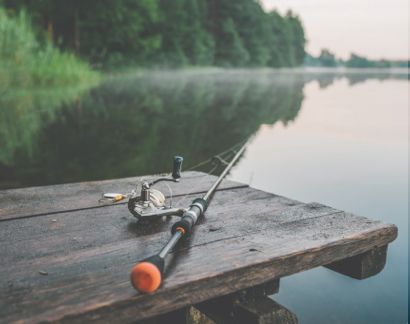
Angling is a favorite activity of visitors in the Shoshone National Forest. The hundreds of small streams and large lakes are packed with rainbow, brook, and brown trout. You will often find yourself competing with the native wildlife for the rich fish harvest that this area provides.
-
Geocaching

Geocaching is allowed in the Shoshone National Forest in all areas except those sections designated as Wilderness Areas. If you are looking to create a geocache, keep track of your location because placing a geocache in a Wilderness Area is greeted with a hefty fine. Otherwise, feel free to establish a cache or to venture into the forest to search for one of these hidden treasures.
-
Identifying Fauna

The animal life in the Shoshone National Forest is essentially the same as it was when the first mountain men explored the area. The most prominent member of the wildlife family that populates this forest is the grizzly bear. Approximately 125 of these large isolation-loving animals live in the Shoshone National Forest. Other apex predators include cougars and timber wolves.
-
Stargazing

Since the Shoshone National Forest is an isolated entity surrounded by other federally protected areas, the light pollution is minimal. On a clear night, the sky is impressive. Astronomers and students of science love this place. At points, the elevation adds even more clarity to the sky.
How to get to Shoshone National Forest
Address: 808 Meadow Lane Avenue, Cody, WY 82414
Fee: Entry fee $0
By Car:
From Cody, Wyoming: Take the U.S. Highway 14/16/20 west out of Cody, which leads directly into the forest. This scenic drive offers stunning views along the way and is approximately 25 miles from the forest boundary.
From Spokane, Washington: Take I-90 East until you reach US-191 South near the town of Belgrade, Montana. Follow US-191 South to connect with US-20 East, leading you directly into the Shoshone National Forest area.
By Air:
Yellowstone Regional Airport (COD): About 52 miles from the eastern entrance of Shoshone National Forest.
Twin Falls Airport (TWF): Approximately 32 miles away from Shoshone National Forest.
Popular Entry Points to Shoshone National Forest
East Entrance (Cody): This is the most commonly used entry point for visitors coming from Cody.
North Fork Highway (WY-290): A scenic route leading into the forest.
Seasonal Restrictions
During peak season (typically summer months), some areas may experience:
Increased traffic and wait times at entry points.
Certain campgrounds may require reservations in advance.
Some trails could have seasonal closures or restrictions due to wildlife activity or maintenance.
Entry Fees for Shoshone National Forest
There is no specific entry fee for Shoshone National Forest; however, some campgrounds may charge fees for overnight stays or specific activities.
Frequently Asked Questions About Shoshone National Forest
What is the closest town to Shoshone National Forest?
Cody, Wyoming is the closest town to the Shoshone National Forest. Cody is a large town with grocery stores, restaurants, hotels, camping, and plenty of things to do if you want to stop in for a day or two.
Is there a fee to get into Shoshone National Forest?
No, there is no fee to get into the Shoshone National Forest. There may be fees required for certain day-use areas, however. There may also be fees required for some recreational activities like camping or boating.
What type of wildlife lives in Shoshone National Forest?
The Shoshone National Forest is home to wildlife including grizzly and black bears, gray wolves, deer, elk, moose, pronghorn, and bison. The forest is also home to a variety of smaller animals like otters and pikas. Many different types of birds, fish, and reptiles also live in the forest.
Does Shoshone National Forest offer free camping sites?
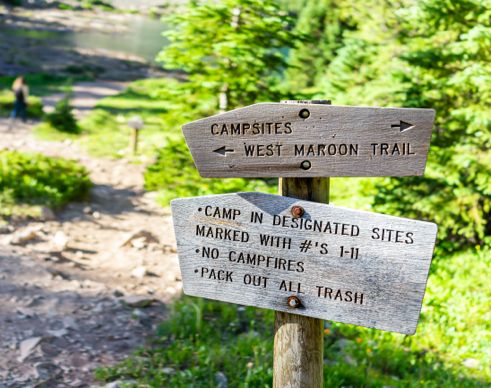
Yes, the Shoshone National Forest offers free camping. Dispersed camping is allowed throughout the forest. Dispersed camping is free, but offers no amenities. Campers must bring everything with them that they need, including water, and must bring everything back out with them when they leave.
Is there a limit to how long you can camp in Shoshone National Forest?
Yes, there is a limit to how long you can camp in the Shoshone National Forest. Campers may stay up to 16 consecutive days at their campsite. They must then move at least five miles from the previous location before setting up camp again.