RVshare.com

Manti-La Sal National Forest Guide

The Manti-La Sal National Forest was formed in 1949 when the Manti Forest Preserve merged with the La Sal Forest Preserve. Today, the forest covers 1.2 million acres and offers hiking, mountain biking, camping, fishing, boating, and even whitewater rafting. In the winter months, visitors can enjoy activities like skiing, sledding, snowboarding, and snowmobiling. Whether you crave the adrenaline rush of rushing rapids or a quiet day on the banks of a stream, Manti-La Sal National Forest is the place to do it all. 

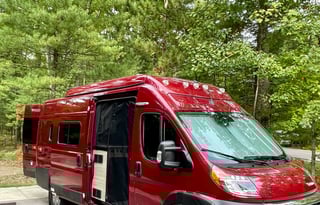
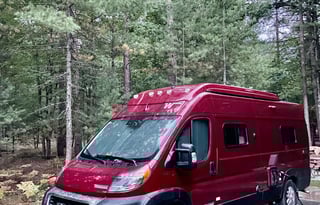
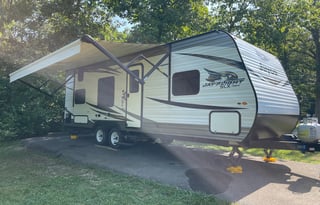
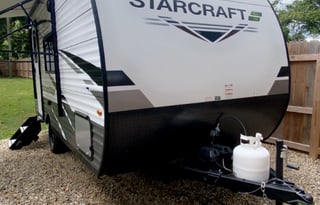
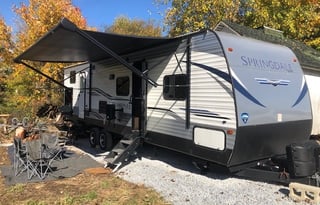
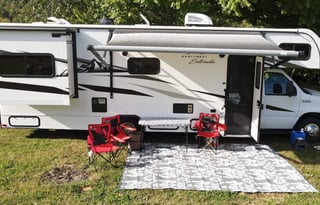
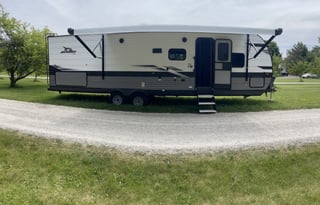
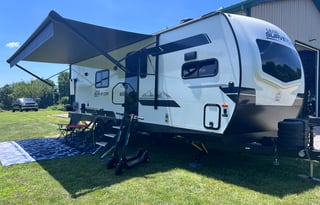
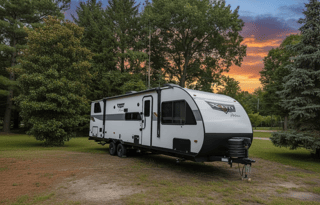
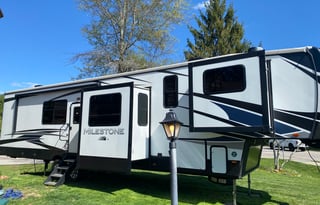
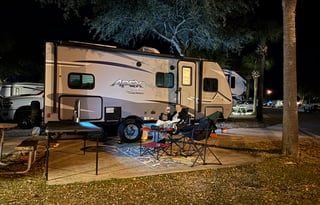
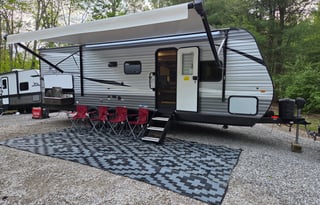
RV Rentals Near Manti-La Sal National Forest

Shape Hiking Trails

Manti-La Sal National Forest Hiking Trails

  • Grizzly Gulch Trail #5412

    This trail cuts through remnants of area mining operations. Hikers will pass several large piles of rock before tackling a steep section of path that leads to the first mine along the route. From there, the trail continues up the side of the canyon. Along the way, visitors will spot several mining shafts as well as stunning views of nearby hills and mountain peaks. The trail ends at the Prince of Wales Shaft. This mine shaft was last operational in 1880. Today, visitors can see the remains of mining equipment that mark the site. 

    Length: 7.2 miles

    Intensity: Difficult

  • Aspen Flat Trail

    Follow the Aspen Flat Trail along a gentle incline to a large open meadow filled with grasses and wildflowers. From there, the path becomes a hike over several steep hills with stunning views of the surrounding landscape before finally descending toward Indian Creek. This point-to-point trail connects to several others within the forest to create a looping hike.

    Length: 5.3 miles

    Intensity: Difficult

  • Blue Creek-Allen Canyon Trail

    Take the Blue Creek-Allen Canyon Trail through stands of ponderosa pines and up the side of Allen Canyon. From there, enjoy the breathtaking scenery of nearby hills and mountains. This point-to-point trail connects with several other paths within the forest to create a looping hike through the wilderness. This narrow trail is steep and, at times, unstable. Exercise caution when hiking. 

    Length: 7.1 miles

    Intensity: Difficult

  • The Devils Canyon Interpretive Trail

    This short and easy trail focuses on educating visitors about the forest. The short hike features signs exploring the natural resources of the forest and the relationship between the land and the people who have lived there. Stop at each station to learn more about the forest area and the people who have called it home for centuries. 

    Length: 0.25 miles

    Intensity: Easy

  • Woodenshoe Trail

    Start your hike on the Woodenshoe Trail by descending into a forest filled with ponderosa pines, Douglas fir, aspen, and oak trees. The trail then winds through Cherry Canyon before emerging onto a ledge hovering over Woodenshoe Canyon. Visitors can enjoy the views of the canyon below before heading back down into the canyon once more. 

    Length: 14.8 miles

    Intensity: Difficult

  • Manns Peak Trail

    Take this trail through a diverse variety of landscapes on the way to the summit of Manns Peak, one of the main summits of the La Sal Mountains. Along the way, you'll pass through meadows blooming with wildflowers, over streams, and through groves of aspen and pine. Once at the summit, you will have incredible views of the Canyonlands, the surrounding hills, and the red rocks in Castle Valley. 

    Length: 3.7 miles

    Intensity: Moderate

Things to Do

Activities in Manti-La Sal National Forest

  • Identifying Flora and Fauna

    Identifying Flora and Fauna Icon

    The Manti-La Sal National Forest houses a large and diverse community of plant and animal life. There is always new scenery to explore in the forest, from thick groves of ponderosa pines and aspen trees to meadows bursting with blooming wildflowers. These diverse landscapes are also home to an equally diverse population of wildlife. Observant visitors may spot black bears, mountain lions, or bobcats. 
  • Fishing

    Fishing Icon

    With over 1,600 miles of streams and 8,100 acres of lakes and reservoirs, the Manti-La Sal National Forest offers abundant fishing opportunities. Do some rainbow trout or bass fishing in one of the stocked lakes or reservoirs, or drop a line in a stream to catch a catfish for dinner.

  • Geocaching

    Geocaching Icon

    Geocaching at Manti-La Sal National Forest is permitted outside the boundaries of designated wilderness areas. Geocaches must not be buried or disturb any of the natural features or landscape. Instead, geocaches should be left tucked behind natural formations like rocks or trees.

  • Nature Watching

    Nature Watching Icon

    The Manti-La Sal National Forest offers a diverse topography that ranges from meadows of prairie grasses to deep canyons and forested mountains. Enjoy stunning vistas from atop mountain peaks, or sink into the wildflowers beside a clear lake as you carefully watch for the inhabitants of the forest to peek around the rock formations and trees. Bird watchers will want to spend time walking through the trees near one of the many waterways as they keep an eye on the sky for one of the hundreds of species of birds that call the forest home. Hikers in the backcountry will want to watch out for black bears, grouse, mule deer, and even mountain lions. Sharp-eyed visitors might even spot the unique La Sal daisy that only grows in the mountains of Utah.

  • Stargazing

    Stargazing Icon

    The Manti-La Sal National Forest welcomes visitors 24 hours per day, making it a perfect venue for stargazing. For the best vantage point, hike into a backcountry valley or meadow for an overnight stay under the stars. With very little light pollution in the forest, the sky will be dark enough to see the wonder of our galaxy spread out overhead.

map-marker-alt-regular How to Get There

How to get to Manti-La Sal National Forest

Address: 599 W. Price River Drive, Price, UT 84501

Fee: Entry Fee (per person)

There is no entry fee.

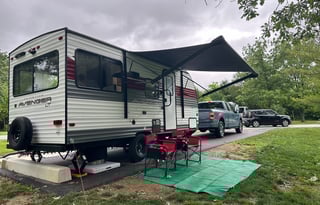
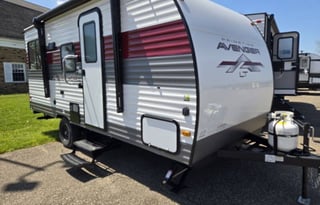
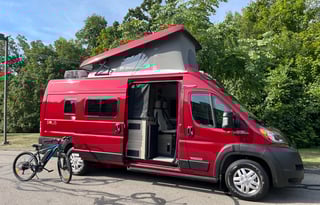
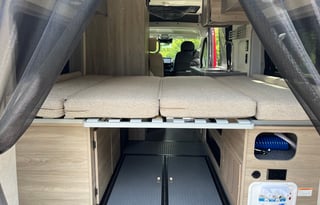
From desert floors to high mountain peaks, The Manti-La Sal National Forest offers a variety of landscapes and a variety of activities that will keep the whole family busy. With over a million acres to explore, an RV trip is the perfect way to experience everything the Manti-La Sal National Forest has to offer without sacrificing the comfort or convenience of home.

Frequently Asked Questions

Frequently Asked Questions About Manti-La Sal National Forest

Can you kayak, canoe, or raft in Manti-La Sal National Forest?

Yes, you can kayak and canoe in the Manti-La Sal National Forest. Warner Lake, Joes Valley, and Gooseberry Reservoir are all great spots for paddling. There is also whitewater rafting in the forest, and several companies lead rafting trips.

Is Manti-La Sal National Forest open all year round?

Yes, Manti-La Sal National Forest is open year-round. In summer, you can hike, mountain bike, camp, raft, swim, and paddle in the forest. In winter, you can go skiing, sledding, snowboarding, cross-country skiing, and snowmobiling.

What is the best time to visit Manti-La Sal National Forest?

The best time to visit Manti-La Sal National Forest is in the fall. Summer crowds are gone by the fall, and the autumn foliage is breathtaking. The weather is usually warm enough to still get outdoors and hike or mountain bike.

Is there a limit to how long you can camp in Manti-La Sal National Forest?

Yes, there is a limit to how long you can camp in Manti-La Sal National Forest. You can stay in one dispersed campsite for up to 14 days. After that time, you must move your camp at least 10 miles before setting up again. You also may not leave your camping equipment unattended for 72 hours or longer.

Is there a fee to get into Manti-La Sal National Forest?

No, there is no fee to get into Manti-La Sal National Forest. There may be fees or permits required for certain recreational activities, or for visiting certain day-use areas of the forest, however.

Campgrounds Near Manti-La Sal National Forest