Lewis and Clark National Forest Guide
- Home
- National Forests
- Montana
- Lewis and Clark National Forest
Nestled in the heart of central and north-central Montana, the Helena-Lewis and Clark National Forest spans around 2.8 million acres. This forest is bisected by the Continental Divide and the Missouri River, offering stunning views and diverse ecosystems. Managed across six ranger districts, it has over 1,000 miles of trails perfect for hiking, biking, skiing, and more.
Camping in Lewis and Clark National Forest
Those interested in RV camping in Helena-Lewis and Clark National Forest can choose a suitable RV-friendly campground in the forest. You can also explore other top campgrounds in Montana for camping near Helena-Lewis and Clark National Forest. Alternatively, you can check out various BLM (Bureau of Land Management) lands in the state. You can also access various dumping stations in Montana.
Campgrounds in Helena-Lewis and Clark National Forest
$15 per night
$15 per night
$15 per night
$15 per night
$20 per night
Private Campgrounds Near Helena-Lewis and Clark National Forest
Before planning your trip to the forest, explore the private campgrounds available in nearby cities and towns as well.
Campgrounds by Lakes/Rivers for Fishing and Water Activities
$15 per night
$10 per night
$15 per night
$15 per night
RV Rentals Near Lewis and Clark National Forest
Lewis and Clark National Forest Hiking Trails
Helena-Lewis and Clark National Forest has a diverse range of hiking trails. Look for a trail that suits your preferred difficulty level and enjoy hiking during your stay.
Short/Easy Hikes for Beginners
Distance: 0.7 miles
Difficulty: Easy
Distance: 4.4 miles
Difficulty: Easy
Distance: 1.5 miles
Difficulty: Easy
Challenging Trails for Experienced Hikers
Distance: 7.9 miles
Difficulty: Intermediate
Distance: 67.5 miles
Difficulty: Extremely Difficult
Hiking Trails With The Best Views
Memorial Falls Trail - Trail Number 738
Distance: 0.5 miles
Difficulty: Easy
Strawberry Ridge Trail - Trail Number 317
Distance: 6.1 miles
Difficulty: Intermediate
Distance: 3.1 miles
Difficulty: Easy
-
Memorial Falls Trail
The Memorial Falls Trailis a loop that reaches a beautiful waterfall before returning to the initial trailhead. Sections of the trail elevate slightly but not enough to discourage children or adults. The path runs beneath a dense forest to the waterfall, where the canopy opens to allow sunlight to glint off the spray.
Length: 1.0 miles
Intensity: Easy
-
Devil’s Glen Trail
The Devil’s Glen Trail is an in-and-out pathway that begins with a narrow rocky path running beside a private road for a mile before it opens to incredible views of Steamboat Mountain to the north and the Twin Buttes to the south. Beautiful limestone cliffs line the path that runs beside a creek leading to the Dearborn River.
Length: 6.1 miles
Intensity: Easy
-
Windy Mountain Loop Trail
The Windy Mountain Loop Trail climbs slowly along Briggs Creek until it reaches a small saddle — the gateway to Windy Mountain Pass. Hikers often break away from the trail here to ascend the summit of Windy Mountain to get a fantastic panoramic view of the surrounding countryside. The trail then descends along Thain Creek to bring you back to the trailhead.
Length: 8.8 miles
Intensity: Intermediate
-
Casey Meadows Trail
The Casey Meadows Trail is an in-and-out pathway that gradually climbs the entire way. There are several creek crossings along the path, but the water is shallow. Wildflowers cover the hillsides during the spring and summer months. The end of the trail brings rewarding views of the surrounding country.
Length: 8.1 miles
Intensity: Intermediate
-
Mount Wright Trail
The Mount Wright Trail is a grueling uphill stretch with intermittent switchbacks that climb 3,264 feet. The entire trip is at an elevation of over 5,000 feet. There are no trees to speak of and no running water, so you’ll need to carry your own. While the hike is harsh, the views are incredible, especially when you reach the summit of Mount Wright.
Length: 7.6 miles
Intensity: Difficult
Activities in Lewis and Clark National Forest
If you are looking for things to do in Helena-Lewis and Clark National Forest, here are some popular activities you can try.
Mushing and Skijoring
Dog sledging, or mushing, is a unique and thrilling activity in the Little Belt Mountains. The groomed snowmobile trails in this area are ideal for sled dogs to glide across the snow. A specially designed parking lot for mushers is available at the Kings Hill Winter Recreation Area. Even if you’re new to mushing, it’s a fascinating winter sport to witness.
Fishing
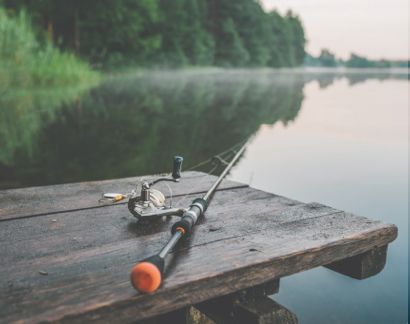
Anglers can enjoy fishing in the many rivers, streams, and lakes within the forest. The Missouri River and nearby reservoirs like Canyon Ferry, Hauser, and Upper Holter are especially popular for fishing. Additionally, there are lesser-known mountain lakes that provide a peaceful and rewarding fishing experience.
OHV Trail Riding
The forest’s trails are open to a variety of users, including off-highway vehicle (OHV) riders, making it a great destination for exploring rugged terrain. The trails allow riders to enjoy stunning forest scenery while sharing the path with hikers, horseback riders, and mountain bikers. Be sure to use the Motor Vehicle Use Maps to stay on designated routes and ensure a safe and environmentally friendly experience.
Horseback Riding
Horseback riding is a wonderful way to explore the forest, with most trails and lands open to equestrian use. Many of the trails are specifically managed for stock animals, making them suitable for riders of all levels. However, some trails can be steep, rocky, or narrow, so it’s important to choose routes that match your skill and comfort level. Whether you’re a seasoned rider or a beginner, the forest offers a scenic backdrop for your journey.
-
Identifying Flora and Fauna

Today, most flora and fauna found in the Lewis and Clark National Forest resemble those discovered by the Lewis and Clark Expedition in 1805-1806. The early declaration of the forest as a preserve muted the effect of invasive plant and animal life. Horticultural programs at universities across the country encourage students to vacation in this area to recognize the difference between a pristine environment and one that is polluted by alien flora and fauna.
-
Fishing

Angling is excellent in the Lewis and Clark National Forest. Along with the 16,000 miles of streams that drain into this area, hundreds of unpublished natural (and a few human-made) lakes are full of fish who have seldom seen a baited hook or fly.
-
Geocaching

Geocaching is allowed almost everywhere on the eastern division of the Lewis and Clark National Forest. However, it is discouraged in the western section, and it is outlawed in Wilderness Areas and the Badger-Two Medicine Area. In addition, only members of the Native American Blackfeet tribe may hunt, chop wood, or otherwise enter the Badger-Two Medicine Area. It is reserved for their purposes only and is considered a sacred site protected by the Treaty of 1896.
-
Nature Watching

The wildlife in Lewis and Clark National Forest includes many predatory species no longer seen in other areas. For example, grizzly bears, mountain lions, lynx, black bears, and gray wolves live in this area. Other wildlife, such as mountain goats, bighorn sheep, elk, and deer, are subject to restricted hunting. Many protected birds, like the peregrine falcon, bald eagle, and blue grouse, call this forest home.
-
Stargazing

Stargazing is terrific in the Lewis and Clark National Forest. Even in the lower elevations on the eastern side of the forest, the night sky lights up like an intense light show. In the foothills and on the mountain slopes that make up much of the western side of the forest, spending the night in a clear spot rewards campers with an incredible display of the Milky Way.
How to get to Lewis and Clark National Forest
Address: 1220 38th Street North, Great Falls, MT 59405
Fee: Entry Fee (per person)
There is no entry fee.
By Car
The forest surrounds the city of Helena, the capital of Montana. From Helena, you can reach your preferred campground by following the driving instructions and maps available on the official forest website.
By Air
The nearest airports to the Helena-Lewis and Clark National Forest are:
Helena Regional Airport: Located in Helena, Montana, this airport is approximately a 20 to 30-minute drive from the forest.
Great Falls International Airport: Situated in Great Falls, Montana, this international airport is about a 1-hour drive from the forest.
Seasonal Restrictions
Specific trails and campgrounds in the forest are closed during the winter months due to heavy snowfall or unsafe conditions. Some roads and backcountry routes may be inaccessible, so it's important to check with the local Forest Service office for updates on closures and conditions before planning your visit. Seasonal restrictions may also apply to activities like fishing and hunting, which are regulated to protect wildlife populations and habitats.
Fees in the Lewis and Clark National Forest
Access to most areas of the Lewis and Clark National Forest is free, but certain facilities and activities like campgrounds and day-use areas may require a fee. Be sure to review the fee schedule for your chosen activity or location before your visit.
Frequently Asked Questions About Lewis and Clark National Forest
Is there a fee to get into Lewis and Clark National Forest?
No, there is no fee to enter Lewis and Clark National Forest. However, many recreation sites within the forest do require a fee to use the area. There may also be additional permits required for certain activities such as camping or hunting in the forest.
Does Lewis and Clark National Forest offer free camping sites?
Yes, Lewis and Clark National Forest offers free camping sites. Dispersed camping is free and is allowed in the forest. Campers need to bring everything with them - there are no amenities or designated campsites, and need to take everything with them when they leave.
Is there a limit to how long you can camp in Lewis and Clark National Forest?
Yes, there is a limit to how long you can camp in Lewis and Clark National Forest. You may stay up to 16 consecutive days in one location before you need to move.
What is the best time to visit Lewis and Clark National Forest?
The best time to visit Lewis and Clark National Forest is from mid-June until early September. Those are the warmest months, and visitors can hike, paddle, horseback ride, and enjoy a variety of outdoor activities. The park is also the most accessible during the short summer season.
Is Lewis and Clark National Forest open all year round?
Yes, the Lewis and Clark National Forest is open all year-round. Visitors can hike, fish, and paddle in the summer. In winter, guests can go cross-country skiing, snowshoeing, and enjoy winter activities.