Custer National Forest Guide
- Home
- National Forests
- Montana
- Custer National Forest
Montana's Custer National Forest is one of the most ecologically diverse forests in the northern United States. This forest covering more than 1.5 million acres stretches from Absaroka-Beartooth Wilderness outside of Red Lodge eastward across rolling grasslands, ponderosa pine and steep outcroppings, and the Pryor Mountains before it turns to the south near Ashland. Then, it encompasses almost all of southeastern Montana before stretching into eastern South Dakota. Many areas of this forest are easily accessible because Interstate 90 runs through and near it. The government has divided the forest into seven districts, with headquarters at Ashland, Beartooth, Bozeman, Gardiner, Hebgen Lake, Sioux, and Yellowstone. Various animals, including bighorn sheep, grizzly bears, pronghorns, and mule deer, live in this forest.
RV Rentals Near Custer National Forest
Custer National Forest Hiking Trails
-
Pine Creek Lake Trail
This trail near Pine Creek Lake runs through dense forests. You can see the two-tier Pine Creek Waterfalls from this trial on Black Mountain. You will likely see ground squirrels, marmots, and mountain goats while hiking. This trail starting near the Pine Creek Campground ascends and descends over 3,000 feet.
Length: 4.2 miles
Intensity: Difficult
-
George Lake Trail
Explore the western slope of the Absaroka Mountains by hiking along the George Lake Trail. There are many ascents and descents on this trail. Enjoy stunning views of Paradise Valley from high above it. This trail's final leg is a large ascent to reach George Lake, which is a great picnic spot.
Length: 5 miles
Intensity: Difficult
-
Sweet Grass Trail
The Sweet Grass Trail starts off Forest Service Road 999 near Livingston, Montana. This rocky trail, which is often wet in areas, offers stunning views of open grazing meadows. Hikers have the option of combining this trail with the Middle Fork Sweet Grass Creek Trail 123 and Sunlight Lake Trail 273. The trail ends at Conical Peak, where you have the option of scrambling up the mountain for terrific views of the Teton range.
Length: 11.3 miles
Intensity: Moderate
-
Drinking Horse Mountain Trail
This trail that starts near the mouth of the Bridger Canyon runs around the Fish Technology Camp's perimeter before reaching a Bridger Creek bridge. Hikers can then choose to follow the shaded, steeper right trail or the less-steep, sunnier left trail to see the Bridger Range and Gallatin Valley's beautiful views. This moderately used trail is dog friendly, and they can be let off their leashes at your discretion.
Length: 2.2 miles
Intensity: Easy
-
Danmore Gypsum Mine Trail
The Danmore Gypsum Mine Trail starts near the Jefferson River outside Boseman. This trail runs by an old mine before reaching the cavern in Lewis and Clark State Park. Unlike many trails in Custer National Forest, this one is in a more desert environment, so it often stays dry.
Length: 2 miles
Intensity: Moderate
Activities in Custer National Forest
-
Identifying Flora and Fauna

If you enter Custer National Forest from the west, the first trees you will see are pine, spruce, and fir. Heading to the higher altitudes in this forest will take you above the tree line, where you will find tundra. The eastern part of this forest is part of the Yellowstone ecosystem, and you will see sagebrush steppe and grasslands.
-
Fishing

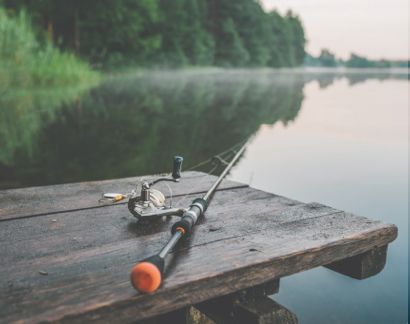
Depending on where you are in Custer National Forest and the season, you can enjoy many fishing types. Rock Creek and Stillwater River are fantastic places to fly-fish for rainbow trout. If you are looking for a secluded fishing location, consider heading to one of the high alpine lakes. Many people come to this forest in the winter to go ice fishing.
-
Geocaching

If you enjoy geocaching, head to the Stag Rock Geocache Site near Ashland. In order to find this geocache, park along Otter Creek Road #484. Then, follow the trail until you find the cache. Be aware that there are no restrooms. There is also no drinking water, so be sure to bring your own.
-
Nature and Bird Watching

There are large groups of bighorn sheep near Stillwater, Rock Creek, and West Rosebud. One of the best places to go if you want to see elk is the Line Creek area near Beartooth. The Grand River area has several prairie dog colonies. Look in the forest north of Yellowstone National Park to discover grizzly bears.
-
Stargazing

The remoteness of many locations in Custer National Park makes it a fantastic place to go stargazing. Taylor Planetarium in Bozeman offers stargazing shows and events regularly. The Carter County Museum often hosts stargazing parties at various locations in or near this national forest.
How to get to Custer National Forest
Address: Custer National Forest headquarters, 5001 Southgate Drive Suite 2, Billings, Montana 59101
Fee: Entry fee $0
Custer National Forest is a great place to explore. There are fantastic places to go hiking, fishing, wildlife viewing, and stargazing. The best way to explore Custer National Forest is in an RV. If you do not have one, don't worry because it is incredibly easy to rent one on RVshare.com.
Frequently Asked Questions About Custer National Forest
Is there a fee to get into Custer National Forest?
No, there is no fee to get into Custer National Forest. However, there may be day-use fees or permits required for various activities and places within the forest. Some of these permits are free, others require a small fee.
Does Custer National Forest offer free camping sites?
Yes, Custer National Forest offers free camping sites. Dispersed camping is allowed throughout the forest - there are no amenities and campers are expected to leave no trace when they pack up camp. There are also a few campsites, like the M-K Campground, that have vault toilets but no other amenities and are free spots to camp.
Is Custer National Forest open all year round?
Yes, Custer National Forest is open year-round. Certain areas of the forest may be inaccessible in winter because of snow, but other parts are great for hiking or snowshoeing in winter.
What is the best time to visit Custer National Forest?
The best time to visit Custer National Forest is in summer. The weather is warm enough for plenty of outdoor activities, and the park is most accessible in summer.
Fall is also a lovely time to visit the forest, and you'll be able to see brilliant fall foliage. However, water and other services may be turned off in many areas of the park to get ready for colder weather.
What type of wildlife lives in Custer National Forest?
Wildlife living in Custer National Forest includes coyotes, bighorn sheep, marmots, wolves, grizzly bears, moose, pronghorns, bobcats, and bison. There is also a variety of birds, plus plenty of fish swimming in the lakes and rivers of the forest.