White River National Forest Guide
- Home
- National Forests
- Colorado
- White River National Forest
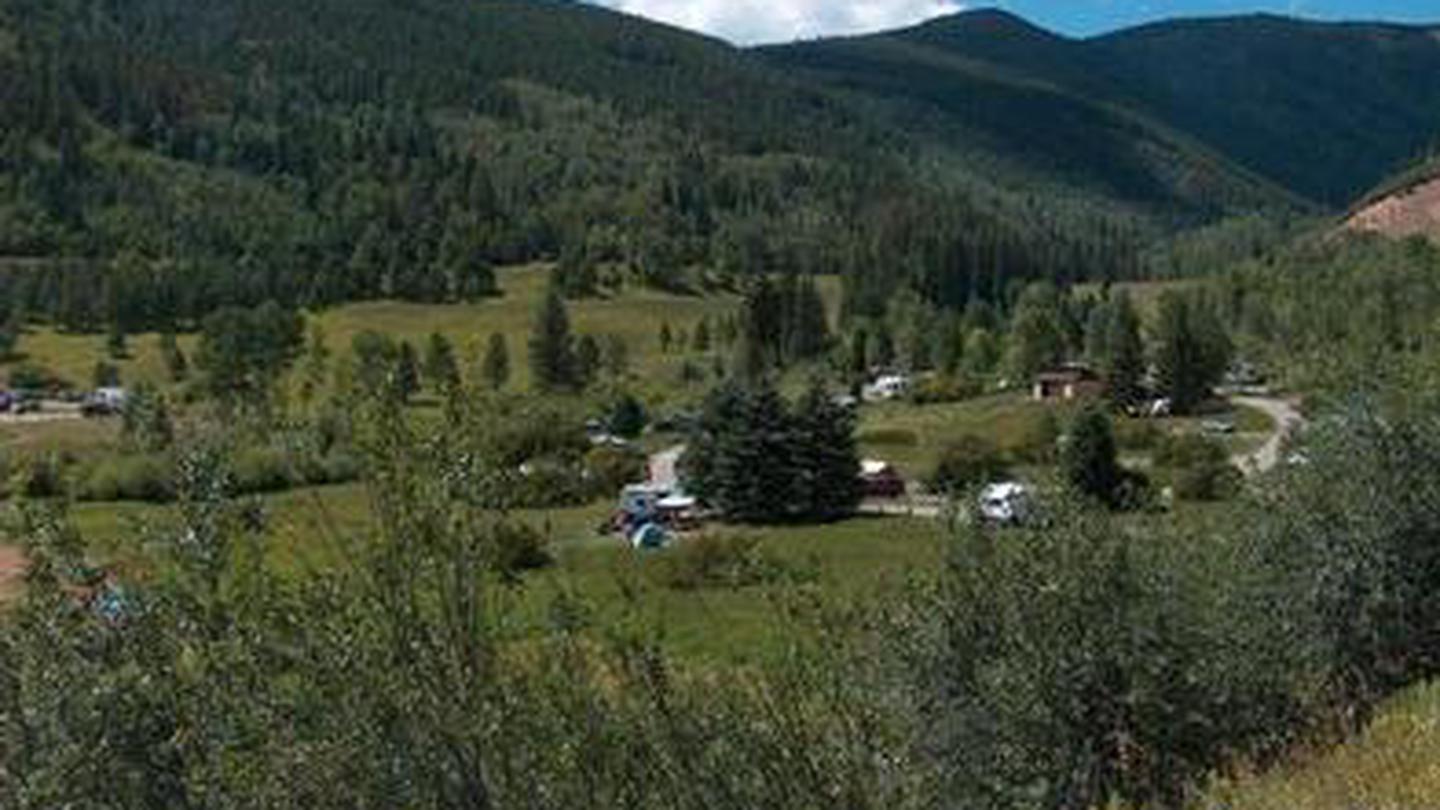
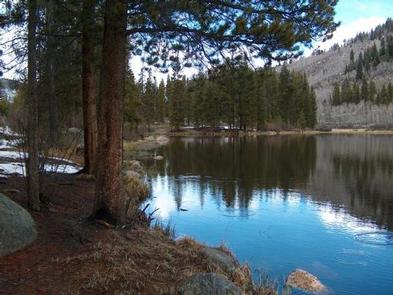
The White River National Forest spans an incredible 2.3 million acres in the heart of the Colorado Rockies, making it a top destination for outdoor enthusiasts. Home to breathtaking landscapes like the Maroon Bells, Hanging Lake, and ten towering peaks over 14,000 feet, the forest offers endless possibilities for adventure. With 11 ski resorts and eight wilderness areas covering more than a third of its land, it’s a year-round haven for nature lovers.
Camping in White River National Forest
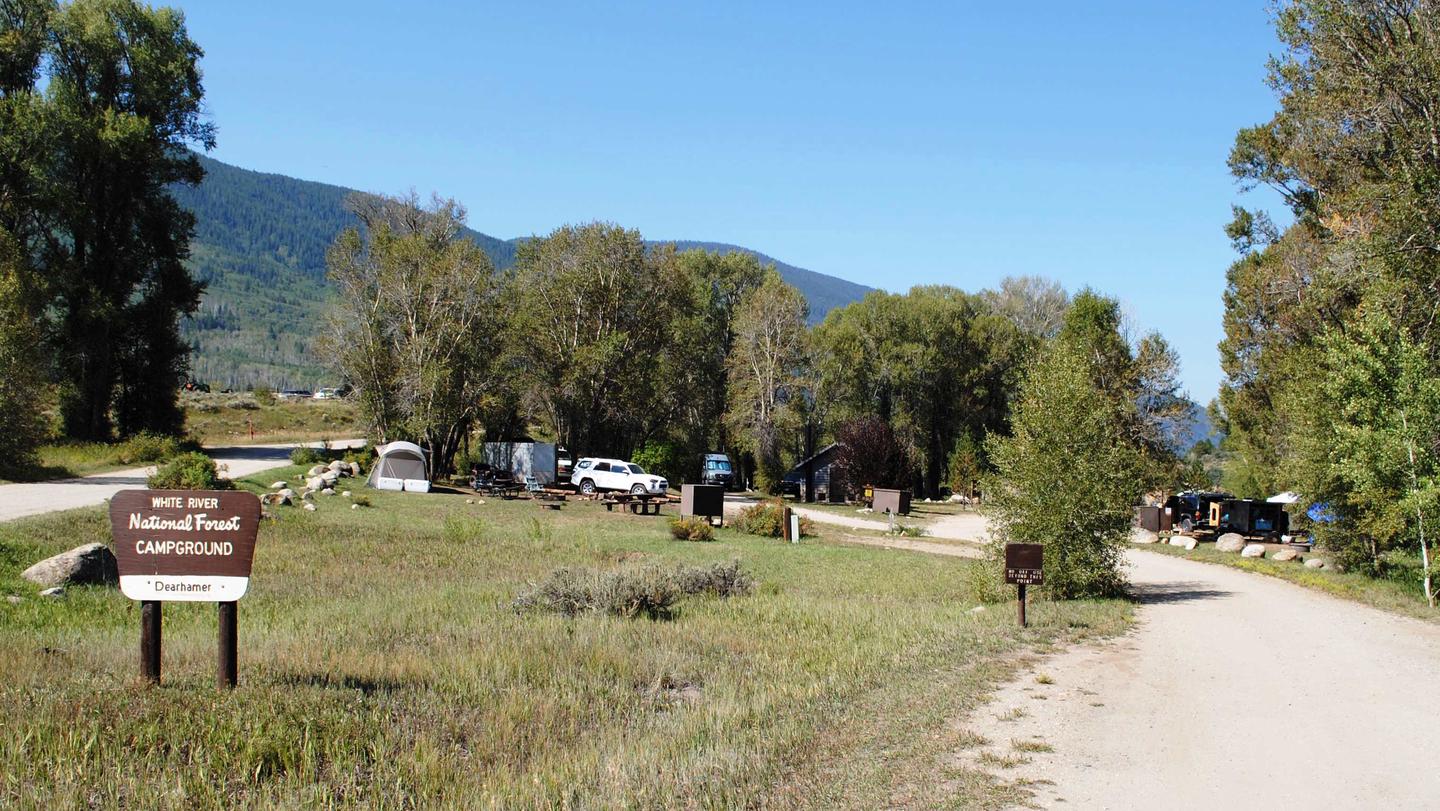
If you want to experience staying in the forest, choose an RV-friendly campground. If you don't mind RV camping near White River National Forest, look for BLM lands in Colorado or you can also explore the top campgrounds in Colorado. Make sure you are in the know of nearby RV dumping stations to keep your RV clean.
Campgrounds in White River National Forest
Private Campgrounds Near White River National Forest
Book a private campground in nearby cities like Glenwood Springs or Basalt if you cannot find a suitable campground inside the forest.
Campgrounds by Lakes/Creeks for Fishing and Water Activities
Budget-friendly Campgrounds
RV Rentals Near White River National Forest
White River National Forest Hiking Trails
Hiking is one of the most popular things to do in White River National Forest. Here's a list of some of the best hiking trails:
Easy/Short Hikes for Beginners
Distance: 3.5 miles
Level: Easy
Distance: 1.2-1.8 miles
Level: Easy
Challenging Trails for Experienced Hikers
Distance: 3 miles one way
Level: Difficult
Distance: 2.5 miles one way
Level: Difficult
Distance: 5 miles one way
Level: Difficult
Distance: 7 miles
Level: Difficult
Scenic Trails
Distance: 3.3 miles one way
Level: Moderate
Distance: 11 miles one way
Level: Moderate
Distance: 4.36 miles
Level: Moderate
-
North Ten Mile Trail
North Ten Mile Trail is an easy to moderate hike that features several small waterfalls and a meandering stream along the first part of the trek. Further down the path, you'll find a number of scenic areas where you can catch your breath on rock beds that line the sides of the serene river. Be prepared to see moose and elk on the path along with plenty of other hikers.
Length: 7.3 miles
Intensity: Easy to Moderate
-
Sallie Barber Mine Trail
Sallie Barber Mine Trail is a popular trek for hikers who simply want to enjoy the beauty of their mountainous surroundings and a leisurely walk. The out and back trail is open year-round but is best used from the early spring to mid-fall months. Expect to see colorful wildflowers and small wildlife along the way. This trail is also dog- and horse-friendly.
Length: 2.8 miles
Intensity: Easy
-
Indiana Gulch Trail
Indiana Gulch Trail is a simple and beautiful trail that takes you through the woods and by small wildflower meadows. Shifts in elevation are minimal, and the flora is dense and breathtaking. The trek is out and back and sees high traffic during peak months. Indiana Gulch extends along private property, so make sure not to stray from the trail. This is also a prime trail for viewing the color-changing aspens in the fall.
Length: 2.8 miles
Intensity: Easy
-
Black Powder Pass Summit
Black Powder Pass Summit is a less-trafficked trail that's subject to seasonal road closures, so check availability before heading to this location. On the hike, expect a well-marked, easy-to-navigate trail that features moderately challenging climbs in a few rocky areas and excellent, panoramic views once you reach the top.
Length: 3.4 miles
Intensity: Moderate
-
Thomas Lakes Trail
Thomas Lakes Trail is a heavily trafficked hike that features picturesque lake views along a heavily wooded path. The trail is great for mountain biking and horseback riding and allows leashed dogs. Visit this trail from June to October to avoid seasonal road closures to the trailhead.
Length: 7.8 miles
Intensity: Moderate
-
Quandary Peak Trail
The Quandary Peak Trail's name says it all as this difficult hike leads you on an out and back excursion through challenging rocky switchbacks and some steep inclines. This premier 14er trek features fantastic views of the mountains near Breckenridge and loads of opportunities to stop and smell the wildflowers.
Length: 6.6 miles
Intensity: Difficult
Activities in White River National Forest
Here are some fun activities you can try during your stay in the forest.
Bicycling
With hundreds of miles of trails and roads, White River National Forest is a fantastic place for mountain biking. From scenic paths to challenging terrain, there’s a route for every skill level. Popular biking spots include the Aspen Area, the Summit County Rec Path, and the Glenwood Canyon Recreation Path. The biking season runs from May 21 to November 22, making summer and fall the best times to explore on two wheels. For a relaxing ride, visit spots like Black Lakes Picnic Site or Gore Creek Campground.
Horseback Riding
For those who enjoy exploring on horseback, the forest offers a variety of trails and wilderness areas perfect for riding. The Colorado Backcountry Horsemen provides great resources on packing and camping with horses, along with Leave No Trace tips. Riders can take in breathtaking views along trails like West Snowmass (#2187), Hell Roaring Trailhead (#1960), and Crystal Lakes Road Trailhead (#44). Whether you’re out for a short ride or an extended backcountry trip, there’s no shortage of adventure.
Water Activities
White River National Forest is home to lakes, rivers, and reservoirs where visitors can enjoy a range of water activities. Whether you prefer motorized boating, non-motorized paddling, or thrilling watersports like waterskiing and windsurfing, there’s something for everyone. On hot summer days, swimming and tubing are great ways to cool off. Many campgrounds and recreation areas provide easy access to the water, making it a great destination for aquatic fun.
Caving
For those who love underground adventures, caving is an exciting way to explore the hidden world beneath the forest. Caving involves navigating through natural underground passages, where you can see fascinating rock formations and unique ecosystems. Some popular caving spots in the forest include Flat Tops NW, Spring Cave Trailhead (#1834), and Fulford Cave Campground. Fulford Cave Trailhead (#1875) is another great option for those looking to venture into these cool, dark caverns. Make sure to bring proper gear and follow safety guidelines for an unforgettable experience.
-
Nature and Bird Watching

The Marble and Redstone Areas and along Brown's Loop in the Vail-Eagle area are great places to keep an eye out for the park's inhabitants, including elk, deer, mountain goats, and more. Hike some of the forest's 2,500 miles worth of trails and you'll be sure to see something new.
Bird watchers will enjoy Spruce Creek Trail to the Mohawk Trail, the Vail Pass Loop, and Bowman's Shortcut, which offer the opportunity to see rare cranes and hawks.
-
Winter Sports

The area is home to 12 different ski areas, which makes it one of the most popular destination forests in the US. Test your skills on the slopes with visitors from around the world.
-
Fishing

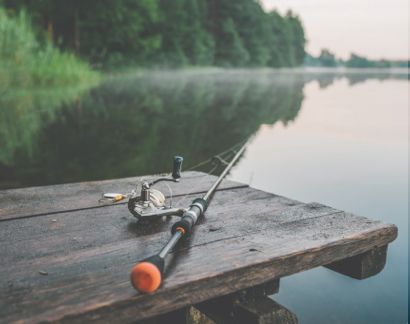
There are several areas in White River National Forest that are perfect for fishing, including Trapper's Lake, North Fork, and South Fork River. If you're looking for quieter, smaller spots, try Bailey Lake and Peltier Lake.
-
Stargazing

Light pollution is minimal and the vistas are stunning. Enjoy particularly beautiful views at night in Rifle Gap and on the Rio Grande Trail.
How to get to White River National Forest
Address: 900 Grand Avenue, Glenwood Springs, CO, 81601
Fee: Entry fee (per person, per day) $10.0
Children 15 and under receive free admission.
By Car
White River National Forest is easily accessible by car, with several routes leading to key destinations. If you're heading to the Aspen area, you’ll find Maroon Creek Road just 5 miles southwest of Aspen, Colorado. From Highway 82, take the Maroon Creek Road exit at the roundabout on the west edge of town and follow the road to the Maroon Bells Welcome Station.
By Air
The nearest airports to White River National Forest are:
Aspen/Pitkin County Airport (ASE): Located just 10 minutes from Aspen, this airport is the most convenient for reaching the Maroon Bells area and other attractions in the forest.
Eagle County Regional Airport (EGE): About 1.5 hours from Aspen, this airport serves as a great alternative, especially for visitors heading to the Vail or Glenwood Springs areas.
Seasonal Restrictions
Some hiking trails, campgrounds, and swim areas may be temporarily closed due to weather-related issues like heavy rainfall or cyclones. Before finalizing your trip, check the latest restrictions and updates on the White River National Forest’s official website to avoid surprises.
Fees in the White River National Forest
There is no general entry fee for White River National Forest. However, certain activities and facilities like RV campgrounds may charge fees. Explore recreation passes and permits if you visit the forest frequently.
Frequently Asked Questions About White River National Forest
What type of wildlife lives in White River National Forest?
Wildlife in the White River National Forest includes deer, elk, mountain goats, bears, mountain lions, bobcats, lynx, and moose. There is also a wide variety of birds including raptors and waterfowl, lots of different fish, and reptiles and amphibians in the forest as well.
Do you need a permit to fish or hunt in White River National Forest?
Yes, you need a permit to fish or hunt in the White River National Forest. Anyone 16 and older needs a permit to fish on Colorado public lands, although there is a weekend every year when you can fish without a permit. Every Colorado resident must have a resident hunting license to hunt in the forest.
What is the best time to visit White River National Forest?
The best time to visit the White River National Forest is in summer or fall. In summer, hikers and outdoor adventurers will have the best weather. However, if you visit in fall, the summer crowds are gone, the weather is still good, and you'll see the beautiful fall foliage as well.
Is White River National Forest open all year round?
Yes, the White River National Forest is open year-round. There may be certain places that are inaccessible in winter, but visitors can hike, swim, paddle, and fish in summer and snowshoe, ice fish, and cross-country ski in winter.
What is the closest town to White River National Forest?
Aspen, Glenwood Springs, Vail, and other Colorado resort towns are situated in the White River National Forest area. Visitors can head to town to stock up on supplies, or to eat and enjoy the amenities in these mountain towns.