Six Rivers National Forest Guide
- Home
- National Forests
- California
- Six Rivers National Forest
At the extreme northwestern corner of California, Six Rivers National Forest offers an incredible array of scenic beauty and activities. The six rivers for which the forest is named carved out deep valleys from a prominent coastal range over thousands of years. The streams support several species of fish and a mixed bag of wildlife. Visitors come from miles around to enjoy the hiking trails that were created by the Civilian Conservation Corps (CCC) during the 1930s and have been maintained ever since by the United States Forest Service (USFS). People from as far away as San Francisco and Reno stay in nearby communities like Crescent City, CA, while venturing into the forest to get close to nature.
RV Rentals Near Six Rivers National Forest
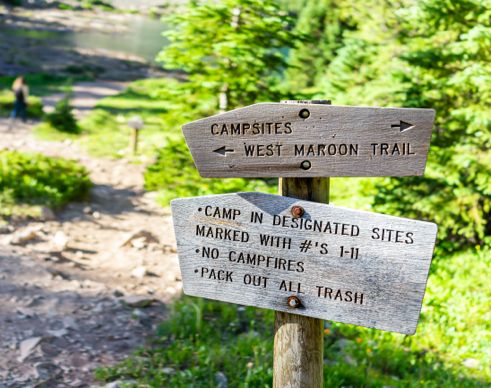
Six Rivers National Forest Hiking Trails
-
Preston Peak Spur Trail
The Preston Peak Spur Trail lies within one of the five Wilderness Areas found in Six Rivers National Forest — Siskiyou Wilderness Area. It is a challenging climb to the highest point in Northern California. The views from the peak are worth the extra effort, but only experienced climbers should attempt this climb.
Length: 6.1 miles
Intensity: Difficult
-
Clear Creek National Recreation Trail
For a more leisurely hike through the Siskiyou Wilderness Area, try the Clear Creek National Recreation Trail. The path is a mix of gravel and dirt that runs north to south through the forest. It follows Clear Creek to the Klamath River, where it empties in a turbulent rush. Along the path, you will find several pools in which to take a dip.
Length: 22.2 miles
Intensity: Intermediate
-
Craigs Creek Trail
The Craigs Creek Trail runs above the green waters of the South Fork of the Smith River. There are several switchbacks as the path winds to the top of a ridge and then down to the cold waters of Craigs Creek. Redwoods, Douglas fir, and red cedar line the pathway, but watch for the poison oak that edges close to the trail.
Length: 3.8 miles
Intensity: Intermediate
-
Devil’s Punchbowl Trail
The Trail to the Devil’s Punchbowl leads to a stunning glacial pool that is worth the effort for those brave enough to climb over 838 feet in elevation in just over a mile. The pathway is a mad scramble over incredibly steep terrain. During the climb, hikers pass through dense forests and past mountain slides.
Length: 1.2 miles
Intensity: Difficult
-
Little Bald Hills Trail
Though strenuous at times, the Little Bald Hills Trail is more leisurely than many of the paths available for hikers in Six Rivers National Forest. Be prepared to navigate several switchbacks, which lengthens the walk but reduces the strain on the legs as it climbs 1,999 feet to the top of the ridgeline. Expect to enjoy the climb as you venture through a redwood forest with intense water-loving undergrowth to help keep you cool.
Length: 9.9 miles
Intensity: Intermediate to Difficult
Activities in Six Rivers National Forest
Six Rivers National Forest receives massive amounts of precipitation, either through rainfall or fog, which is the principal reason redwoods thrive in the area. These gigantic trees create their own ecosystem by sending roots into compost collected at various heights where massive limbs collect debris. Douglas Fir and Red Cedar crowd the higher elevations of the forest where redwoods do not thrive. The undergrowth is tremendous and is often difficult to pass through.
The deep valleys of Six Rivers National Forest are cut off from the sky by a massive canopy of redwoods, firs, and cedars. However, the hilltops and high peaks of the forest provide a startlingly clear view of the night sky.
-
Fishing

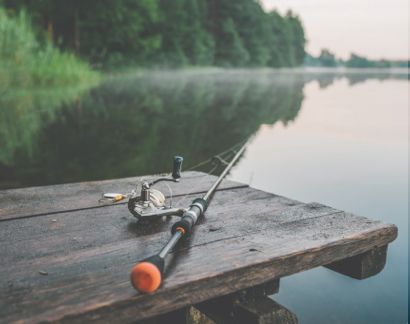
Angling is the big draw that brings people to Six Rivers National Forest. As the name portends, six rivers cut through the forest, but that is just the tip of the massive amounts of water available here. Hundreds of streams packed full of trout run down the hills into the rivers. There are a significant number of lakes in the forest, some of which are unvisited, where angling will get you your limit in a short time.
-
Nature Watching

When you visit Six Rivers National Forest, you find a diverse wildlife habitat that houses animals much as it has for thousands of years. Since the forest was established early, long before humans sought to develop such areas for profit, the animal population has been protected. Indeed, 12 threatened and endangered species find shelter in this forest.
-
Geocaching

Geocaching is allowed in Six Rivers National Forest in sections that are not designated as Wilderness Areas. Be aware of where you are planting your cache, and have fun in the areas provided. To get an idea of the location of the five Wilderness Areas inside the forest, stop at the visitor center to get a map with latitude and longitude designations identifying wilderness area borders.
How to get to Six Rivers National Forest
Address: 1330 Bayshore Way, Eureka, CA 95501
Fee: Entry fee $0
Most of the terrain at Six Rivers National Forest cannot be reached by a vehicle, so hiking is the way to get the best experience in this forest. After an exhaustive day of adventure, though, it is good to know that a return to camp brings the comfort and relaxation an RV provides. Take the trip in an RV and create those family memories that last a lifetime.
Frequently Asked Questions About Six Rivers National Forest
Is there a fee to get into Six Rivers National Forest?
There is no fee to get into Six Rivers National Forest. However, there are various services and recreational activities that require a pass or fee. Having a campfire, collecting forest products like mushrooms or pinecones, and cutting down a Christmas tree all require a permit.
Does Six Rivers National Forest offer free camping sites?
Yes, Six Rivers National Forest has free camping sites. Dispersed camping is allowed throughout the forest and does not cost. Campers must make sure they leave no trace when they are finished camping in a dispersed campsite.
Is Six Rivers National Forest open all year round?
Yes, Six Rivers National Forest is open year-round. It can snow in winter and hiking and other outdoor activities are easier in summer and fall, but winter in the forest can be beautiful as well.
Can you kayak, canoe, or raft in Six Rivers National Forest?
Yes, you can kayak, canoe and raft in Six Rivers National Forest. The area has lakes and rivers that are perfect for kayaking and canoeing. Several rafting companies offer rafting trips in the area as well.
How many hiking trails does Six Rivers National Forest have?
There are hundreds of miles of hiking trails in Six Rivers National Forest. Trails range from smooth paths in cool forests to steep, strenuous treks for experienced hikers.

Related
RV Rentals Near Ramshorn RV Rentals Near Skillman RV Rentals Near Robbs Hut RV Rentals Near White Cloud Top RV Dump Stations In Reno, Nevada Reno Explore Local With RVshare Reno RV Show RV Rentals Near Travel Home Park RV Rentals Near Ahart Campground RV Rentals Near River One RV Park RV Rentals Near Shamrock RV Park RV Rentals Near Sunset Campground Chico Explore Local With RVshare Pike Place Market RV Rentals Near Victorian RV Park RV Rentals Near River Rest Resort RV Rentals Near Travelhome RV Park RV Rentals Near Travel Home RV Park RV Rentals Near Van Vleck Bunkhouse Concord Explore Local With RVshare RV Rentals Near River’s Edge RV Park RV Rentals Near Sunset Vista RV Park RV Rentals Near Upper Little Truckee RV Rentals Near Yuba Pass Campground RV Rentals Near Sparks Marina RV Park