Olympic National Forest Guide
- Home
- National Forests
- Washington
- Olympic National Forest
Tucked away near the western edge of Washington, the Olympic National Forest offers some of the most magical landscapes in the Pacific Northwest. Waterfalls thunder over cliffs in lush rainforests, and hiking trails pass through stands of moss-covered trees and giant ferns. Hike high into the peaks in the forest's protected wilderness areas, go scuba diving in the Hood Canal, or fish for Beardsley trout in Lake Crescent. The different sections of the forest surround the spectacular Olympic National Park.
RV Rentals Near Olympic National Forest
Olympic National Forest Hiking Trails
-
Native American Nature Trail
Find out how indigenous people used the bountiful resources in the Olympic National Forest on the Native American Nature Trail. Located in the Seal Rock Interpretive Site, this kid-friendly hike is lined with interpretive signs. With each one, you'll learn something new about the local Native American people throughout history. The path is asphalt; it's technically accessible for both strollers and wheelchairs as long as you're prepared for a few bumpy stretches.
Length: 0.15 mile round-trip
Intensity: Easy
-
Quinault Rain Forest Nature Trail
Discover the fascinating rainforests of the Olympic National Forest on the Quinault Rain Forest Nature Trail. As you stroll through the lush foliage along Willaby Creek, a series of educational panels helps you identify different types of plants. You'll also find out about the unique old-growth trees. The first section of this gravel trail is accessible for wheelchairs, and the hike is open year-round.
Length: 0.5 mile round-trip
Intensity: Easy
-
Murhut Falls Trail
Check out one of the spectacular waterfalls of the Olympic Peninsula on the Murhut Falls Trail. Short and easy to navigate, this lovely path takes you past wildflowers and through old-growth trees to its namesake falls. It's important to stay on the trail as the surrounding wilderness has many hidden drops and hazards.
Length: 1.6 miles round-trip
Intensity: Moderate
-
Mt. Walker Trail
The Mt. Walker Trail is one of the most accessible summit hikes in the Olympic National Forest. The path is steep and challenging, but after just 2 miles, you'll reach the north summit of Mt. Walker. From there, you'll find lovely views of the surrounding mountains and Douglas fir forests. There's a road to the viewpoints at the top, so you can bring two vehicles to create a shuttle system. That way, it's easy to do a top-down or bottom-up hike to suit your preferences and activity level. When you reach the top of the hike, you can walk down the road for 0.5 miles to check out the views from the southern summit.
Length: 4 miles round-trip
Intensity: Strenuous
-
Colonel Bob Trail
Hike deep into the Colonel Bob Wilderness on the Colonel Bob Trail. Start early to reach the summit of Colonel Bob before the afternoon storms roll in; the route gains 4,200 feet in elevation, so make sure to bring food and water. As you hike, you'll travel through temperate rainforests and old-growth fir, spruce, hemlock, and cedar trees. If you're looking for a shorter day hike, follow the path 4 miles and turn around when you see the Mulkey Trail Shelter. This route is best in the early spring.
Length: 14.4 miles
Intensity: Strenuous
Activities in Olympic National Forest
-
Identifying Flora

The wet, temperate conditions in the Olympic National Forest result in a wealth of plants. Hike the Kloshe Nanitch Trail to see ferns, wildflowers, and the majestic silver fir. To see the impressive diversity of moss and lichen, visit the Quinault Rain Forest.
-
Fishing

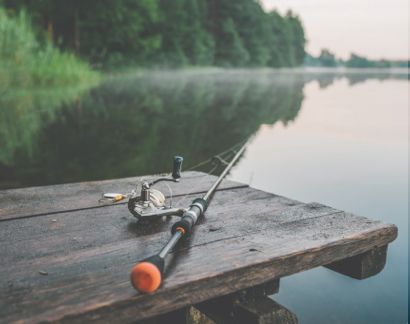
Cast for cutthroat trout and rainbow trout from the shores of Wynoochee Lake or the hike-in Lower Lena Lake; if you prefer to fish from a boat, check out the trout and kokanee salmon at Lake Cushman. Fish the rivers and streams of the Big Quilcene area via the Lower Big Quilcene Trail or the Silver Lakes Trail. The best spot for saltwater fishing is Seal Rock Campground.
-
Geocaching

The Forest Service allows geocaching in the Olympic National Forest as long as you're outside of the five designated wilderness areas. You'll find several caches on the Highway 101 Scenic Byway Loop.
-
Bird Watching

The Olympic National Forest is home to parts of the Olympic Loop of the Great Washington State Birding Trail. Some of the highlights include the dunlins, marbled murrelets, swans, and buffleheads of the Skokomish Delta. At Lake Crescent, head to Barnes Creek to look for American dippers and barred owls. Keep an eye out for the herd of Roosevelt elk that move through the region; they're usually found west of the Hood Canal in the southern section of the forest.
-
Stargazing

Stargazing is possible throughout the forest. The darkest skies are located in the western sections that are farthest from the lights of Seattle. You'll have the best luck near Lake Quinault and west of Lake Crescent.
How to get to Olympic National Forest
Address: 1835 Black Lake Boulevard SW, Olympia, WA 98512
Fee: Entry fee $0
With its exceptional hiking trails and beautiful wilderness areas, the Olympic National Forest is a haven for outdoor enthusiasts. Whether you're interested in summiting a mountain, wild mountain biking, or quiet afternoons of fly-fishing, this large forest has plenty of opportunities. Since many top destinations are located a long drive from the nearest town, an RV makes a wonderful base camp for all of your adventures.
Frequently Asked Questions About Olympic National Forest
Is there a fee to get into Olympic National Forest ?
No, there is no fee to get into Olympic National Forest. However, there may be fees for parking at certain trailheads or campgrounds. There may also be additional permits required for activities in the park like hunting or fishing.
Does Olympic National Forest offer free camping sites?
Yes, Olympic National Forest does offer free camping sites. Dispersed camping is allowed in many areas of the forest. Dispersed camping areas do not have any amenities, so campers must bring everything with them. They must also pack everything out and leave no trace when they're done.
Is there a limit to how long you can camp in Olympic National Forest ?
Yes, there is a limit to how long you can camp in the Olympic National Forest. Campers may stay up to 21 days per year in areas outside of developed campgrounds. In developed campgrounds, campers may stay up to 14 days at a time, with no annual limit.
Can you kayak, canoe, or raft in Olympic National Forest ?
Yes, you can kayak and canoe in Olympic National Forest. There are many mountain lakes that are great for paddling! You can also whitewater raft in the forest, and there are several companies that lead guided trips in the area.
Is Olympic National Forest open all year round?
Yes, the Olympic National Forest is open year-round. The forest is a great spot for hiking, fishing, swimming, and mountain biking in summer. In winter, it's a good place for snowshoeing or cross-country skiing.