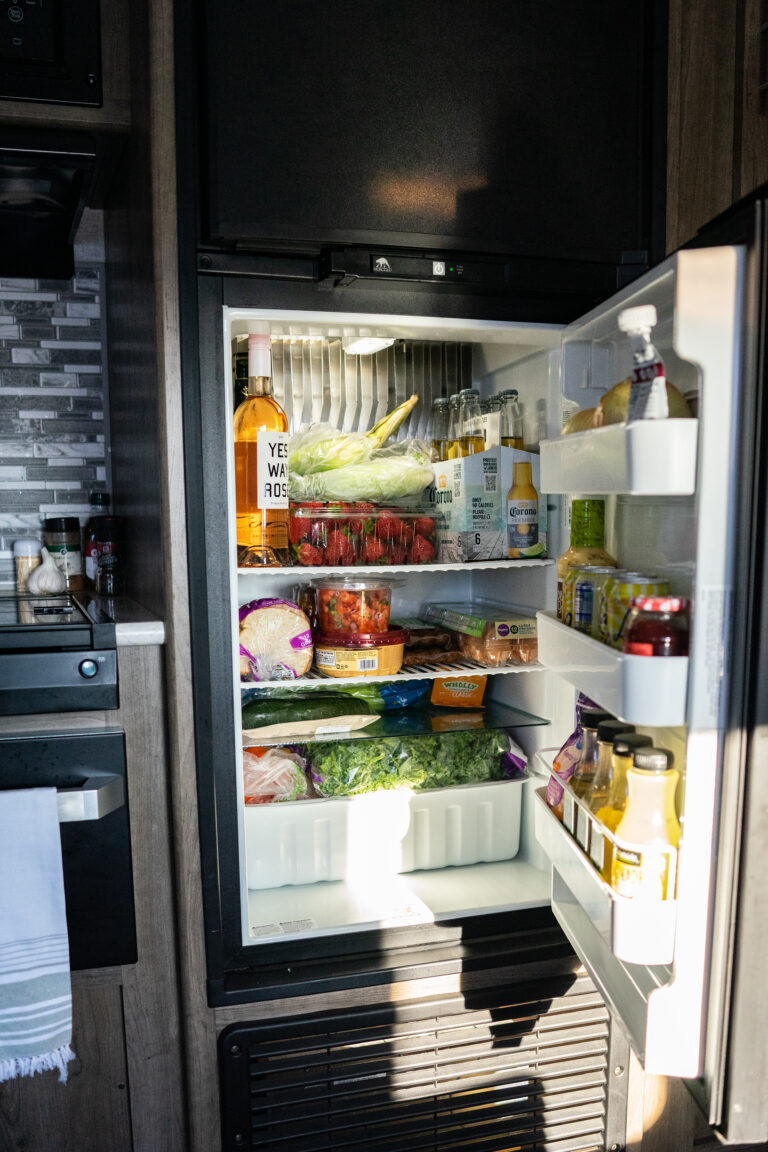
RV salvage yards offer used RV parts at 40-70% lower prices than those of new components. This provides substantial savings on expensive items such as refrigerators, generators, awnings, and other appliances while keeping totaled RVs out of landfills. Salvage yards purchase totaled RVs from insurance companies, dismantle them, and sell tested functioning parts — making them ideal for repairing older RVs or finding discontinued components that manufacturers no longer produce. You can find salvage yards by searching “RV junkyard near me” online, checking state-by-state directories, or shopping at salvage websites, though online purchases mean buying sight-unseen. The main advantages include significant cost savings, eco-friendly reuse of materials, support for local businesses, and the treasure-hunt experience. Disadvantages include limited parts for newer RVs under warranty, the time required to search, and the potential need to negotiate on pricing.
RV Salvage Yards: Pros and Cons At a Glance
| Factor | Advantages | Disadvantages | Best For |
| Cost | 40-70% cheaper than new parts | May require negotiation skills | Budget-conscious RVers |
| Availability | Great for older/discontinued parts | Limited selection for newest models | Owners of older RVs (5+ years) |
| Environmental Impact | Keeps RVs out of landfills, reuses materials | None | Eco-conscious buyers |
| Shopping Experience | Fun treasure hunt, local community support | Time-consuming, requires searching | People who enjoy browsing |
| Quality Assurance | Most parts tested before sale | Limited warranties vs. new parts | Experienced DIYers |
| Convenience | Call ahead to check availability | Must visit in person or buy sight-unseen online | Those with time flexibility |
Why Turn to RV Salvage Yards for Used Parts in 2026?
There are several compelling reasons to head to the camper salvage yard when you need to repair your RV, with cost savings being the most obvious but far from the only benefit.
Cheaper
The first and most obvious reason to shop salvage yards is price. As is the case with almost anything you buy, used travel trailer parts and pre-owned motorhome parts are much cheaper than brand new ones — typically 40-70% less expensive. For example, a new RV refrigerator might cost $800-1,500, while a used one from a salvage yard could be $200-400. A replacement awning might cost $600 new versus $150- $250 used. This alone is enough to get many RVers to the wrecking yard, but it’s not the only reason to go.
More Eco-Friendly
Shopping for used parts is also much greener than purchasing new. By buying used RV parts, you are doing your part to keep items out of landfills while also saving on resources by reusing an item that has already been manufactured and purchased. When insurance companies total an RV, the entire unit would traditionally go to a landfill. Salvage yards prevent this waste by dismantling and reusing functional components. If you’re looking for a way to make RVing a little bit greener, purchasing salvaged parts is a great first step.
Support Local Businesses
Many cities and towns don’t have a local RV parts store. This means that in order to get new parts, you must order online, usually from a large corporation. On the other hand, travel trailer and motorhome salvage yards are locally owned businesses. By visiting them, you’re supporting an individual and your local community by keeping your money close to home. These family-owned operations often provide personalized service and expertise that big-box retailers can’t match.
A Fun Treasure Hunt
Lastly, there’s the sheer fun of searching through an RV salvage yard. Many people find the hunt exhilarating, and it is pretty fun to see what kinds of treasures you can find hidden amongst the used motorhome parts.
What Are the Disadvantages of Shopping at RV Salvage Yards?
So what are the cons of shopping at RV salvage yards? There are only a few, but for some people, these will be enough to skip the RV junkyard and head to the new RV parts store instead.
Lack of Parts for Newer Rigs
You tend to find totaled RVs at salvage yards, and it’s less likely you’ll find newer vehicles because of this. Since RV companies sometimes change things around in newer rigs, it can be difficult to find parts for the newest RVs at salvage yards. Fortunately, most newer rigs are still under warranty, and hopefully are less likely to need salvage parts.
The Time-Consuming Hunt
While the big treasure hunt is a bonus for some, it can be a problem for others. If you need a part quickly or don’t have the time or energy to search, you may be better served by checking for new parts from a local dealer or even online. You can also call ahead and see if a yard has the part you need, making the job a bit easier.
The Negotiation Process
In order to find the best deals on used RV parts at RV salvage yards, you may need to do some negotiation. More introverted people may not be fans of the negotiation process, leading them to skip the experience entirely. However, even without negotiating, you’re likely to save money buying used RV parts rather than new. Cash is often preferred at salvage yards and can give you additional leverage for negotiations.
Limited warranties
Unlike new parts that often come with manufacturer warranties of 1-3 years, used salvage parts typically have limited or no warranty coverage. Many reputable salvage yards will guarantee that parts are tested and functional, but they may only offer a 30-day return policy rather than a long-term warranty. This means if a part fails after you’ve installed it, you’ll need to purchase another replacement. However, given the 40-70% cost savings, many RVers find this trade-off worthwhile.
How Do You Shop Smart at RV Salvage Yards?
Shopping at RV salvage yards requires a different approach than buying from traditional retailers. Here are strategies to ensure you get the right parts at the best prices.
Before you visit:
- Know exactly what you need: Write down part numbers, model numbers, measurements, and photos of the broken component
- Call ahead: Many yards maintain inventories and can tell you if they have your part before you drive there
- Bring cash: Cash is often preferred and may help with negotiations
- Research fair prices: Know what the part costs new, so you can evaluate if the salvage price is reasonable
At the salvage yard:
- Ask staff for help: Don’t wander aimlessly — salvage yard staff know their inventory and can point you to the right section
- Request testing: Ask if the part has been tested. Reputable yards test major components like appliances, generators, and electronics
- Inspect carefully: Look for damage, wear, rust, or other issues before purchasing
- Ask about guarantees: Find out if they offer any return policy or guarantee that the part works
- Bring tools: If you’re pulling the part yourself, bring appropriate tools and safety equipment
Negotiation tips:
- Be polite and friendly — salvage yard owners appreciate respectful customers
- Point out any flaws or concerns to justify a lower price
- Offer cash for immediate purchase
- Bundle multiple parts for a package discount
- Don’t be afraid to walk away if the price isn’t right
Key Takeaways
- RV salvage yards offer significant savings of 40-70% on used parts while keeping totaled RVs from landfills.
- They provide eco-friendly options by reusing materials, thus supporting a greener lifestyle.
- Shopping at RV salvage yards helps support local businesses, fostering community growth and personalized service.
- However, parts for newer RVs may be limited, and searching for parts can be time-consuming.
- Negotiation skills could benefit buyers, but the substantial savings make the limited warranty worth the trade-off.
FAQs About RV Salvage Yards
The easiest way to find RV salvage yards near you is to search online for RV salvage or junkyards. This will return local results, including salvage yards, wrecking yards, and parts dealers in your area. You can also check comprehensive state-by-state directories like Rich the RV Guy’s listings, which compile salvage yards organized by location. RV forums, Facebook groups dedicated to RV repairs, and online communities often share recommendations for reputable local salvage yards.
Additionally, major salvage operations like Colaw RV in Missouri (claiming to be North America’s largest on 80 acres) ship parts nationwide if you can’t find what you need locally. Many salvage yards now maintain websites with online catalogs, contact information, and hours, making it easier than ever to locate and contact them before visiting in person.
Used RV parts from reputable salvage yards are generally safe and reliable, especially when the yard tests parts before sale. Most established salvage yards test major components, such as refrigerators, generators, furnaces, air conditioners, and other appliances, to ensure they’re functional before selling them.
To ensure safety, always ask if the part has been tested, inspect it carefully for visible damage or wear, and inquire about any guarantee or return policy. Reputable yards typically offer a 30-day guarantee that parts are functional, though this is much shorter than manufacturer warranties on new parts. Avoid parts that show rust, corrosion, physical damage, or excessive wear. For critical safety components like brakes, electrical systems, or structural elements, consider purchasing new ones unless you’re absolutely certain of the used part’s condition.
You can typically save 40-70% by purchasing used RV parts from salvage yards compared to buying new components. For example, a new RV refrigerator might cost $800-1,500 from a dealer, while a tested used refrigerator from a salvage yard could cost $200-400—a savings of $400-1,100. Awnings that retail for $600 new might sell for $150-250 used. Generators costing $1,500-3,000 new could be $500-800 used. Doors, windows, and furniture see similar savings percentages. The exact savings depend on the part’s condition, rarity, demand, and your negotiation skills.
Hard-to-find or discontinued parts for older RVs may command higher salvage prices because of scarcity, but they’re still typically cheaper than custom-ordering new equivalent parts. Cash purchases often result in better deals, and buying multiple parts together may qualify for package discounts. Even without negotiating, you’ll almost always pay significantly less than new retail prices, making salvage yards worthwhile for budget-conscious RVers.
When visiting an RV salvage yard, bring: exact part numbers or model numbers from your RV’s manual or broken component; measurements and photos of the part you need; cash for purchases, and better negotiation leverage. Also, bring basic tools, including screwdrivers, wrenches, and socket sets, if you’ll be removing parts yourself. You’ll want gloves and safety glasses for protection while searching; a notebook or phone to record part information and prices; your RV’s make, model, and year information; and a truck or vehicle capable of transporting larger parts.
Rent an RV with RVshare to test different models and discover which systems and components work best for your needs, giving you hands-on knowledge about RV parts before you invest in repairs or upgrades to your own rig.